This unique antique cigar box was made by the renowned Austrian ceramic artist Johann Maresch around 1880. Maresch (1821–1914) is particularly known for his distinctive ceramic and terracotta figures, many of which are highly characterful and richly detailed.
The box is made from Sidolith, a type of artificial stone developed and used by Maresch, and features a wonderfully unusual figural design. A mounted and armed cowboy is depicted sitting upon a large wooden crate marked “HABANA” and “COLORADO.” The unusual Western-inspired subject makes this an especially striking example of Maresch’s imaginative and often eclectic work. The underside bears the artist’s initials and serial number, “JM – 3375,”* adding to its authenticity and collector appeal.
Whether used as a cigar box or simply displayed as a decorative object, this remarkable piece would make a wonderful addition to a collection of antique ceramics, Western memorabilia, or a cabinet of curiosities. It would also make a unique statement piece in a rustic interior.
After almost 150 years, the box remains in worn antique condition and shows various authentic signs of age and use. Over the decades, the surface has developed a beautiful natural patina that adds considerably to its character and charm. Please note that there is a missing chip to the lower half, underneath the lid on the right side. This damage is visible in the photographs and is taken into account in the condition of the piece.
Measurements:
Heigth: 22 cm
Width: 16 cm
Depth: 14.5 cm
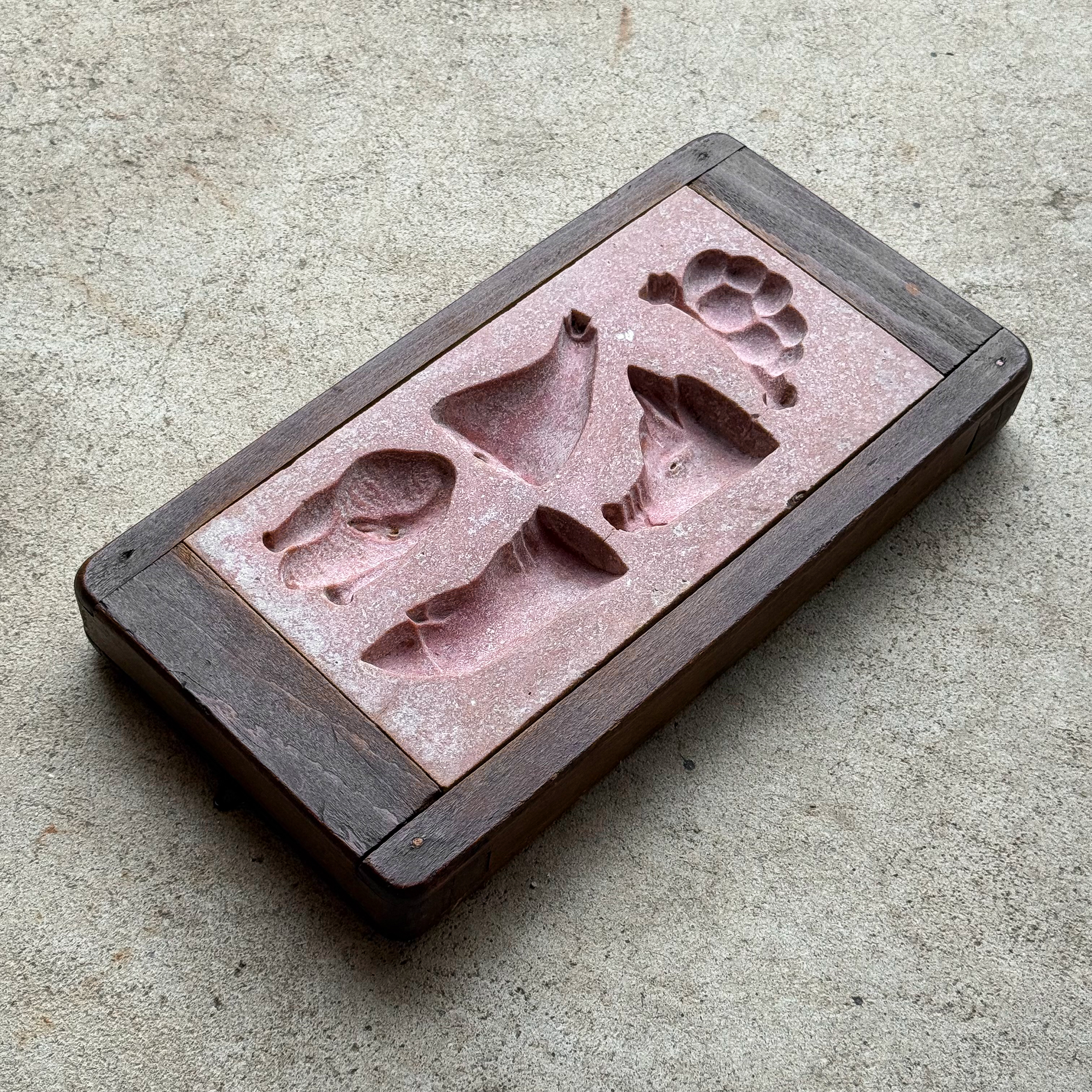
This unique marzipan mold was handcrafted in Germany during the 19th century from sulfur stone. Featuring a charming butcher’s theme, the mold depicts a variety of cuts and body parts of a butchered pig, making it a fascinating example of traditional craftsmanship.
A wonderful decorative piece for a rustic kitchen, bakery, or collection of antique culinary tools, this mold is both historically interesting and highly decorative.
After more than a century, the mold remains in good antique condition and displays only minor signs of age and use. Over the years, it has developed a beautiful patina that enhances its authentic character and charm. Please examine the photographs carefully, as they form an integral part of the description and condition report.
This elegant Art Nouveau inkwell was crafted in France by the renowned French sculptor N. Vidal during the late 19th century. Cast in régule (spelter), it features a beautifully detailed boxer dog alongside two original glass inkwells. The piece is signed by the artist, making it a fine example of French Art Nouveau decorative arts.
A wonderful addition to any antique writing desk, office, or collection of Art Nouveau objects, this inkwell is both a functional writing accessory and an attractive display piece.
After more than a century, the inkwell remains in good antique condition and displays expected signs of age and use. Over the years, the metal has developed a beautiful patina that enhances its authentic character and charm. At some point, a decorative element that was originally attached beside the boxer dog broke off. Fortunately, this loss is relatively discreet and does not detract from the overall appearance of the piece. Please examine the photographs carefully, as they form an integral part of the description and condition report.
Measurements:
Length: 22 cm
Width: 12 cm
Height: 10 cm
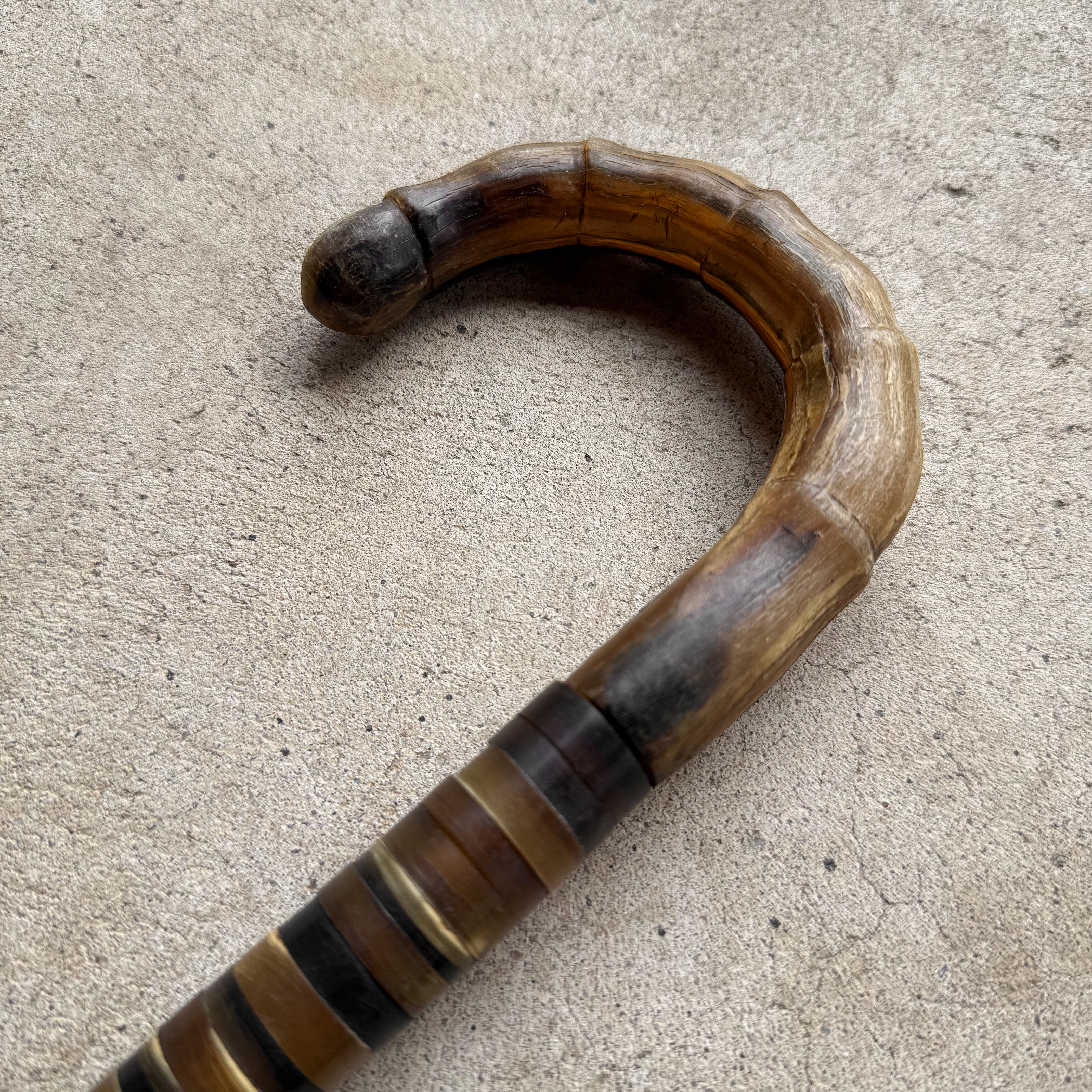
This unique walking stick is a fine example of 19th-century French folk art. Both the handle and the shaft are crafted from genuine cow horn, with the shaft ingeniously constructed from stacked circular horn discs, creating a striking and highly unusual design.
A wonderful addition to any collection of antique walking sticks, folk art, or a cabinet of curiosities, this piece is both decorative and historically fascinating.
After more than a century, the walking stick remains in worn antique condition and displays expected signs of age and use. One of the horn discs at the bottom of the shaft is missing, as shown in the photographs. Please examine the images carefully, as they form an integral part of the description and condition report.
This commemorative French medallion dates to the late 19th century and is crafted in the form of a finely detailed eagle-shaped pendant. The double-sided design features portraits of Napoleon Bonaparte as both a young officer and an emperor, making it a charming tribute to one of history’s most iconic military leaders.
Rich in historical character, this unique piece can be worn as a pendant or displayed as part of a collection of Napoleonic memorabilia, antique jewelry, or a cabinet of curiosities.
After more than a century, the medallion remains in good antique condition and displays expected signs of age and use. It has developed a beautiful natural patina over the years, enhancing its authentic character and historical appeal.
Please examine the photographs carefully, as they form an integral part of the description and condition report.
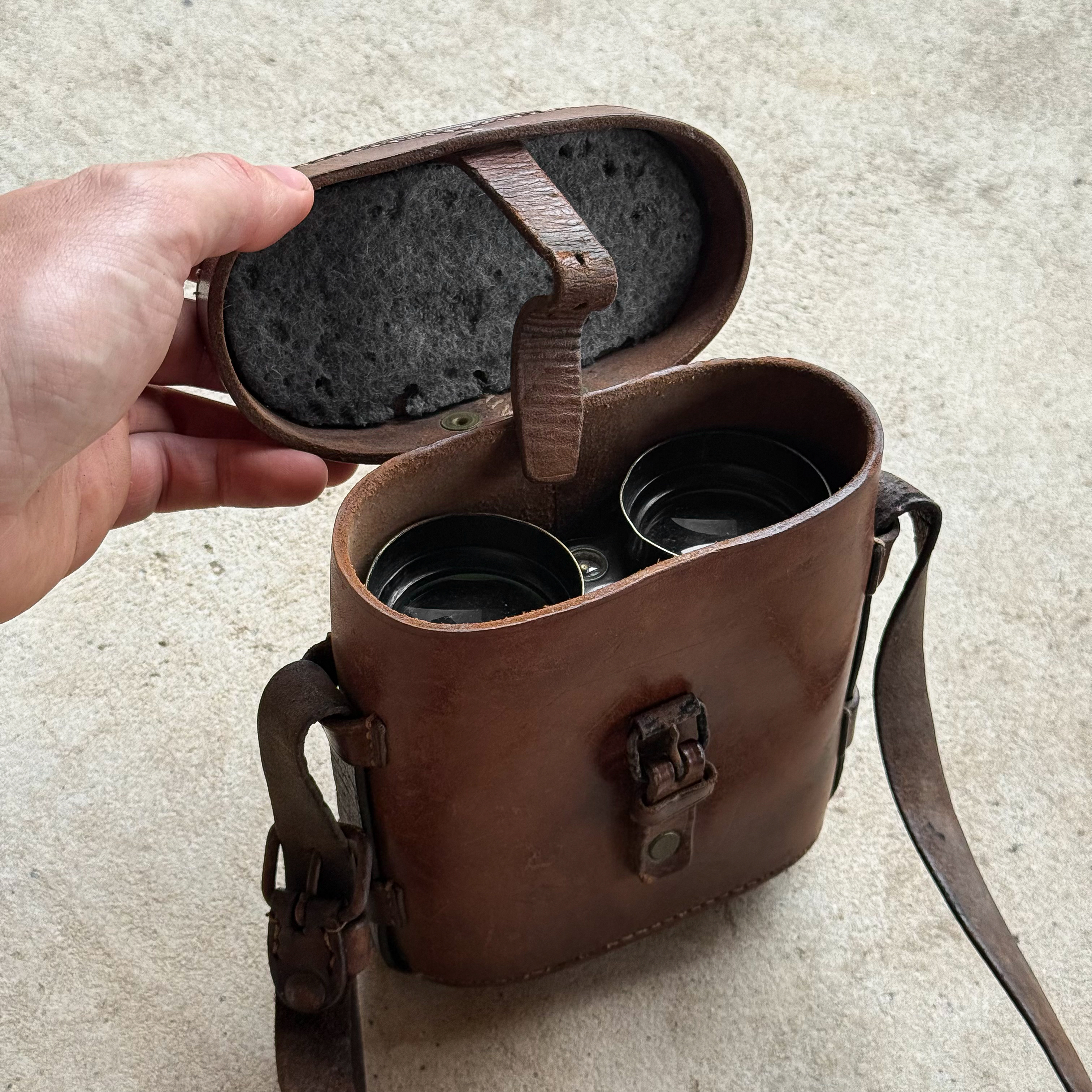
These antique binoculars were manufactured in France during the late 19th century and are complete with their original leather carrying case. The focus is adjusted by turning the central wheel, which alters the distance between the eyepieces. In between the two lenses the binoculars feature a small compass.
A wonderful addition to any collection of antique optical instruments, military memorabilia, or a cabinet of curiosities.
After more than a century, both the binoculars and their original case remain in worn but functional condition, displaying expected signs of age and use. They have developed a beautiful patina over the years that enhances their authentic character. The right objective lens has a minor chip, visible at the lower edge. Despite their age and wear, the binoculars remain functional and provide a clear view.
Please examine the photographs carefully, as they form an integral part of the description and condition report.
Measurements:
Length: 11 / 15 cm
Width: 12 cm
Case: 11.5 x 13.5 x 7.5 cm
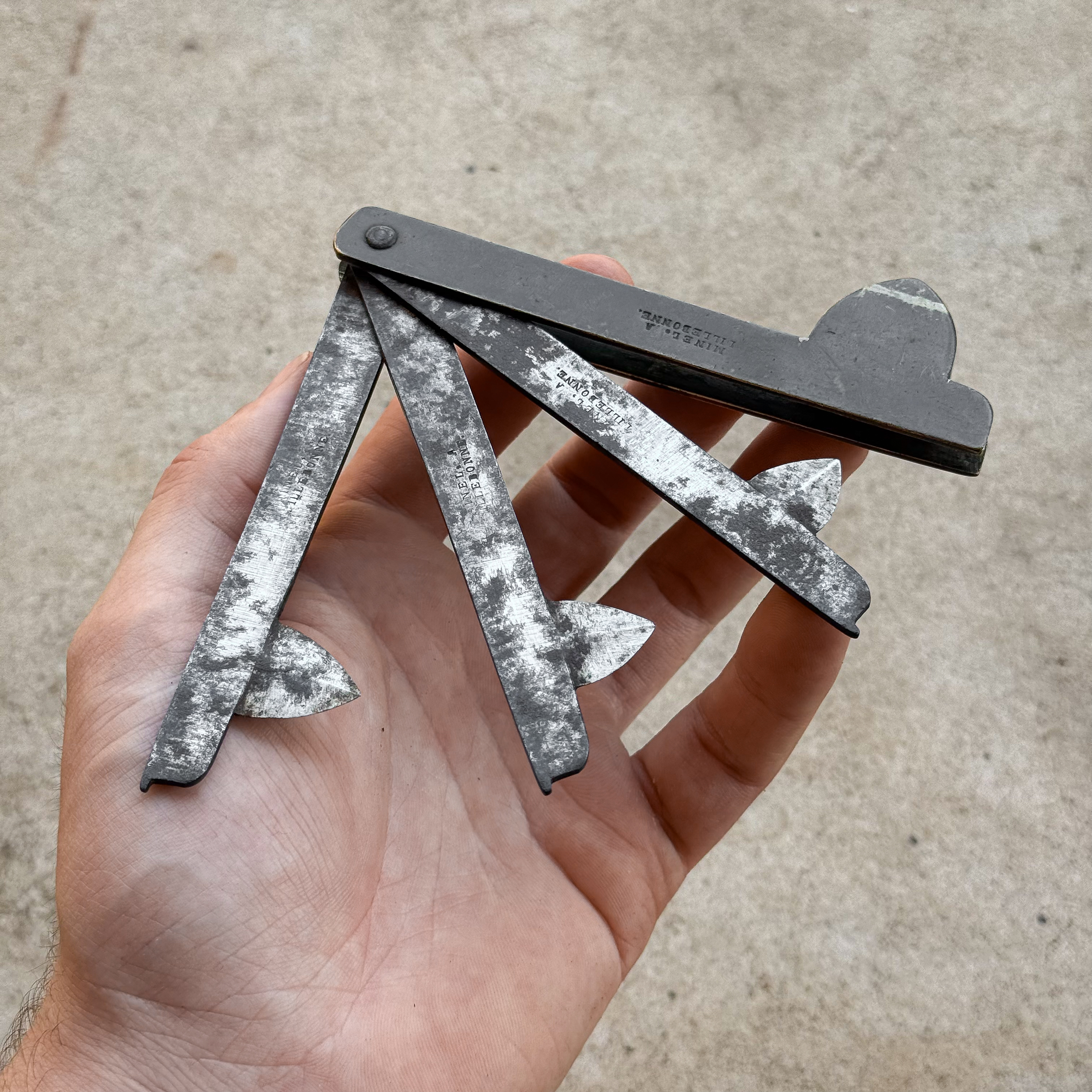
This rare medical instrument was crafted in the late 1800s by the French maker Minel. A in l’Illebonne. Fleam knives were commonly used by vets, physicians and barbers for bloodletting, a now obsolete practice once believed to “relieve stress from the heart” and treat various ailments.
Today, it stands as a fascinating relic of medical history – a tangible reminder of how different healthcare once was. It would make a remarkable addition to any medical collection, museum display, or cabinet of curiosities.
After more than a century, this fleam remains in used condition. It shows light signs of wear consistent with age, and over the years it has developed a oxidized patina that enhances its character and authenticity.
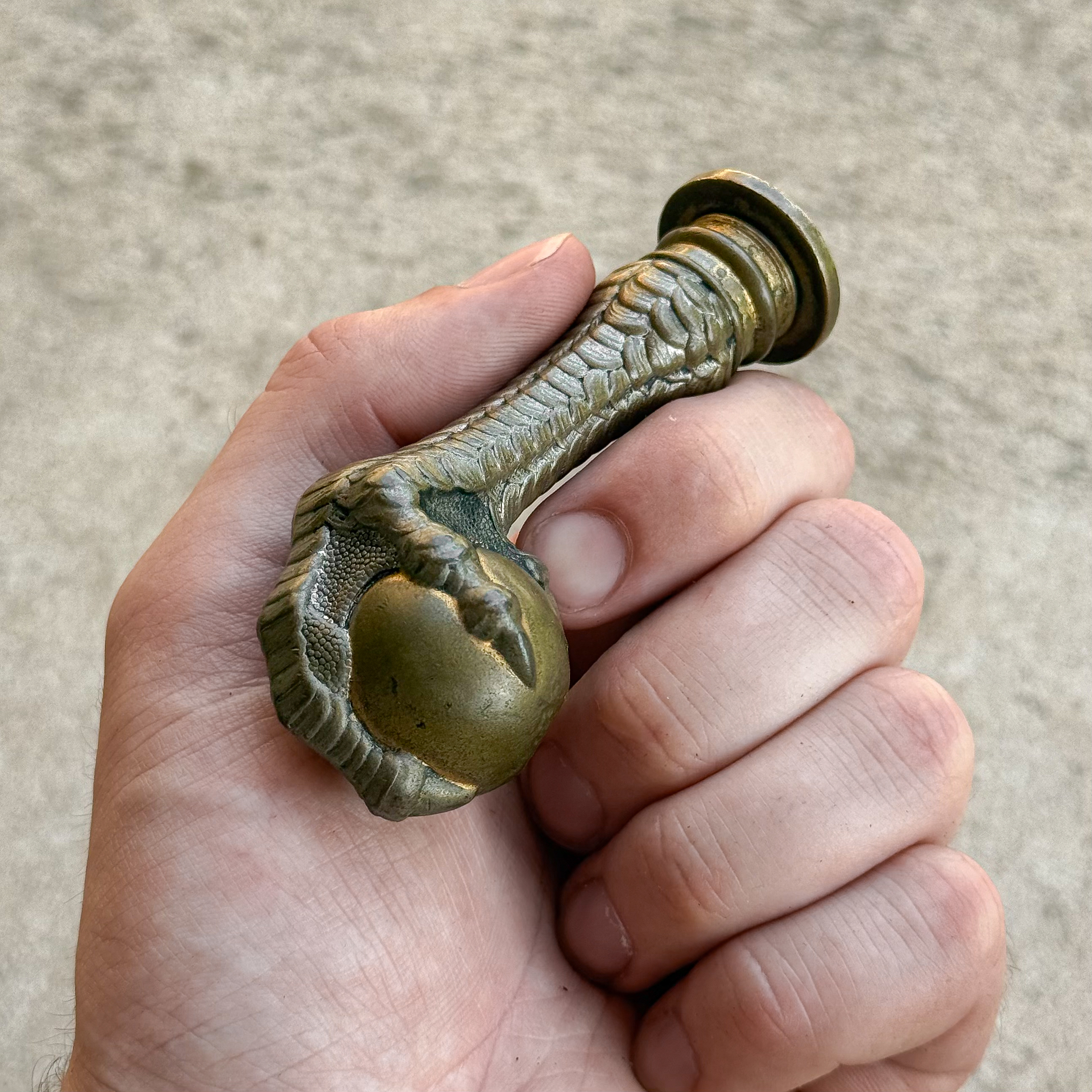
This elegant antique wax seal stamp dates to the late 19th century and was crafted in France. Made of bronze, it features a finely detailed handle in the form of a griffin’s claw clutching a sphere, a striking motif typical of the decorative craftsmanship of the period.
The seal matrix is engraved with a monogram composed of the letters Z and A, suggesting that it was once used as a personal seal for correspondence and official documents.
Rich in character and historical charm, this piece would make a wonderful addition to a cabinet of curiosities, writing desk, or collection of antique seals and decorative objects. A charming and decorative example of 19th century French craftsmanship.
After more than a century, the stamp remains in good antique condition and displays expected signs of age and use. The bronze has acquired a beautiful oxidized patina over the years, enhancing its authenticity and appeal. The fine details of the griffin claw and engraved monogram remain clearly visible.
Please examine the photographs carefully, as they form an integral part of the description and condition report.
This antique branding iron was hand forged in the 19th century and bears a distinctive farmer’s mark depicting a horseshoe topped with a cross, once used for branding cattle. While I certainly do not condone the original use of such devices today, it nevertheless remains a fascinating and authentic historical relic.
It would make a unique addition to any cabinet of curiosities, folk art collection, or display of rustic historical items.
After more than a century, the branding iron remains in good condition. Over the years, the metal has developed a subtle oxidized patina that beautifully enhances its rugged, rustic character. The piece has been treated with antique wax to protect the surface and give it a gentle sheen.
This antique branding iron was hand forged in the 19th century and bears a distinctive farmer’s mark depicting the letters J & R, once used for branding cattle. While I certainly do not condone the original use of such devices today, it nevertheless remains a fascinating and authentic historical relic.
It would make a unique addition to any cabinet of curiosities, folk art collection, or display of rustic historical items.
After more than a century, the branding iron remains in good condition. Over the years, the metal has developed a subtle oxidized patina that beautifully enhances its rugged, rustic character. The piece has been treated with antique wax to protect the surface and give it a gentle sheen.
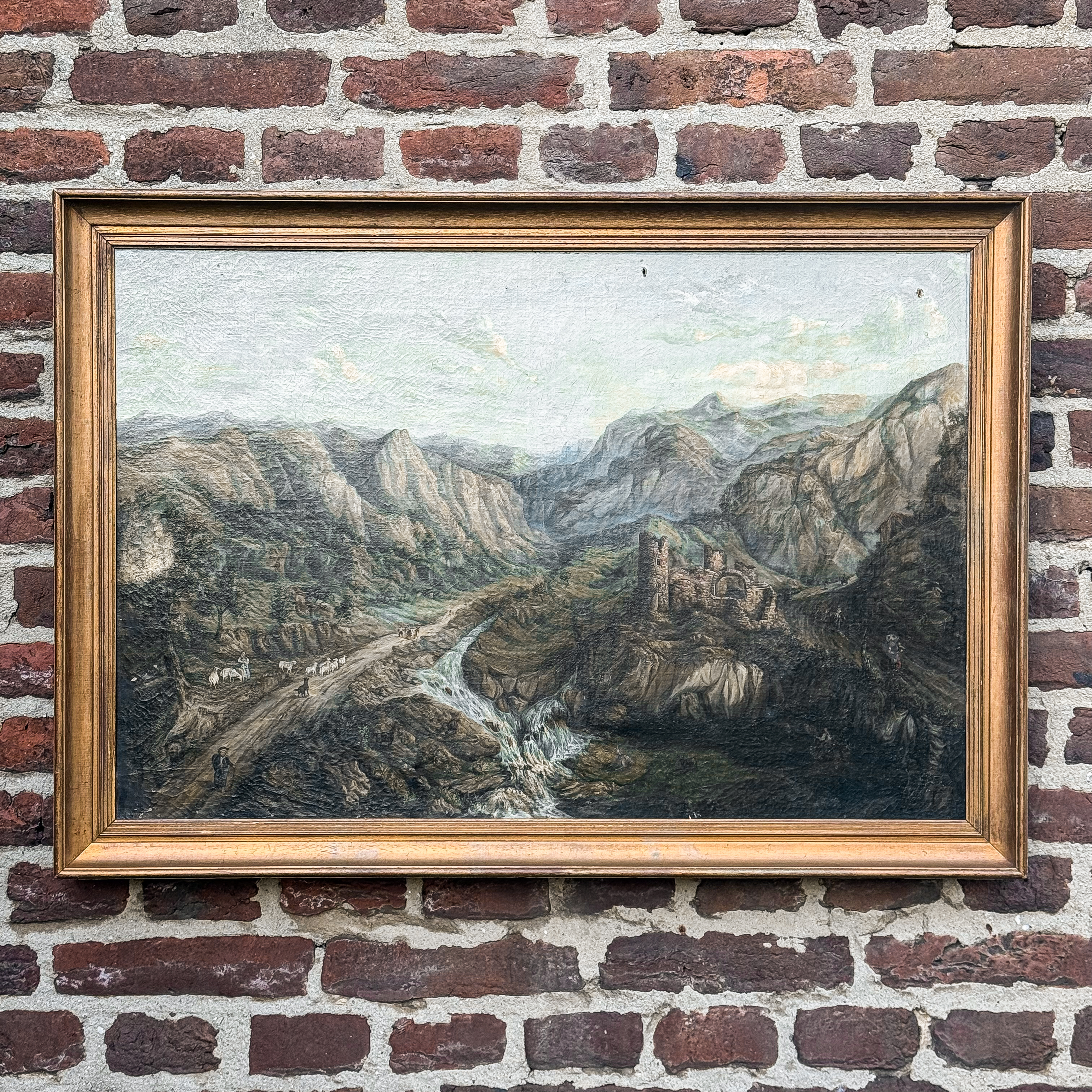
This large oil painting depicts a romantic French mountain landscape, rich in detail. The scene features a shepherd with his flock of sheep and dog, alongside several other figures and animals. A cascading waterfall draws the eye at the center, while the ruins of a castle rise on the side, adding depth and atmosphere to the composition.
The painting is presented in its original classic wooden frame, which complements the character of the piece.
A striking and atmospheric work, it would make a unique statement when displayed in a classic or romantic style interior.
After more than a century, the painting remains in worn condition, showing visible signs of age. Over time, the surface has developed a natural craquelure, fine cracks in the paint layer, which enhances its authenticity and charm. The canvas shows several small holes in the upper half of the painting.
Measurements:
Width: 92.5 cm
Heigth: 65 cm
Depth: 5 cm
This antique snuff mull is a fine example of handcrafted early 19th century Scottish folk art. It is made from a hollowed cow horn and features silver mounts and decorative elements.
On one side, it bears a shield shaped silver plaque engraved with the Freemasonry symbol, while the lid is adorned with a smaller silver plaque featuring engraved initials.
A characterful and authentic piece, it would make a striking addition to any antique collection or cabinet of curiosities.
After more than 150 years, the snuff mull remains in good condition but shows signs of wear. Over time, it has developed a rich patina that enhances its charm and historical character.