This charming portrait was skillfully painted in southern Germany and depicts a bearded man dressed in traditional hunting attire, calmly smoking a pipe. While the painting dates from the 1960s, the classic subject matter, combined with the original wooden frame, gives it a timeless, rustic character.
A warm and atmospheric piece, it would make a distinctive decorative addition to a cabin, lodge, or any cozy, rustic interior.
After more than 60 years, the portrait remains in very good condition, showing only minor signs of age and use.
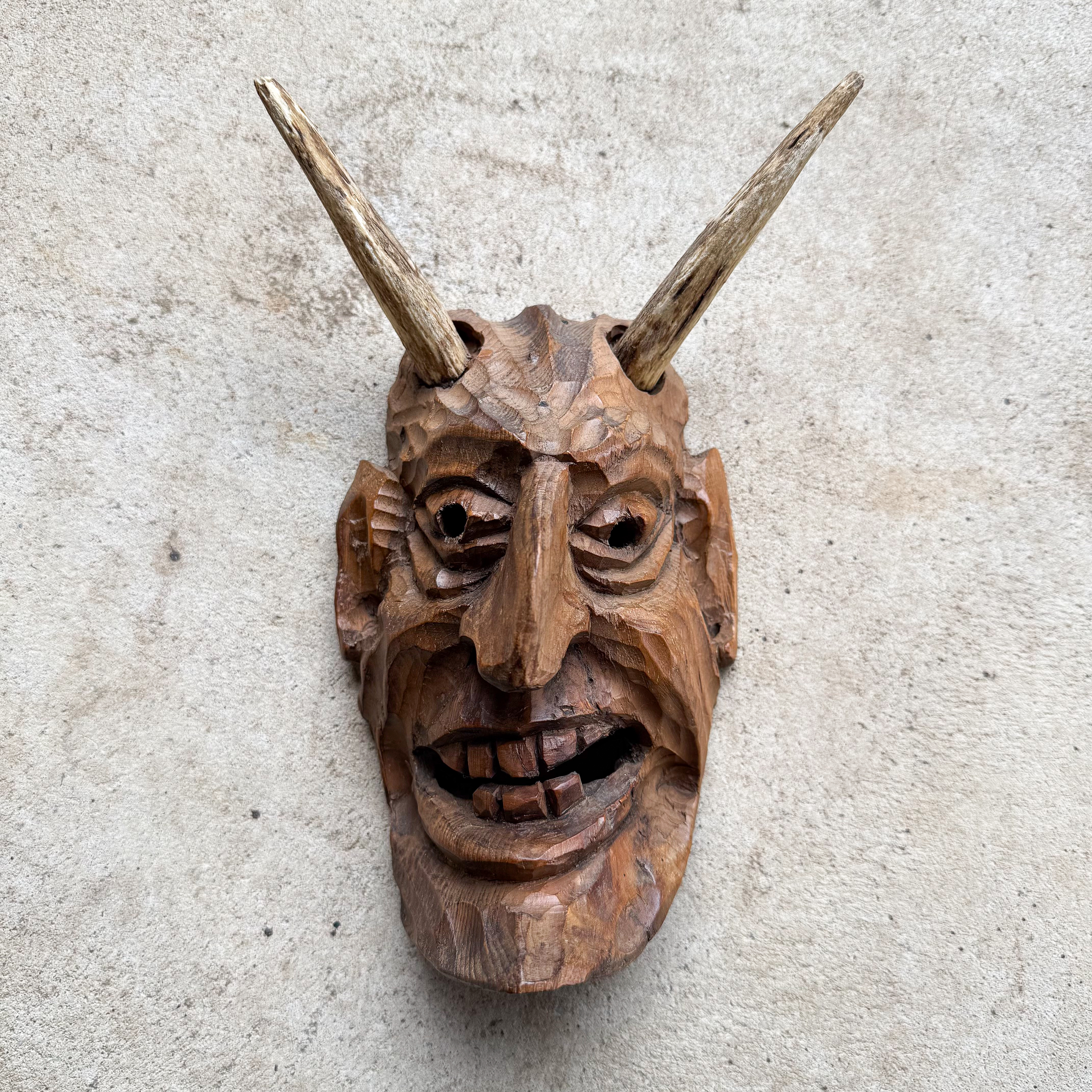
This hand carved mask is a striking example of Austrian craftsmanship and was created for Perchtenlaufen, a traditional Alpine folk custom found in parts of Austria and South Tyrol. The mask represents a Percht: a mythical, often goat-like figure associated with winter rituals and folklore. It features a haunting expression and is fitted with real goat horns, adding to its raw and authentic character.
A truly distinctive piece, it would make a remarkable addition to any cabinet of curiosities or folk art collection.
After more than a century, the mask remains in good condition, showing age-appropriate wear. Over time, it has developed a rich patina that enhances its character and authenticity. The piece has been treated with antique wax to protect the surface and provide a subtle, soft sheen.
Measurements:
Heigth: 23.5 cm
Width: 16 cm
Depth: 7 cm
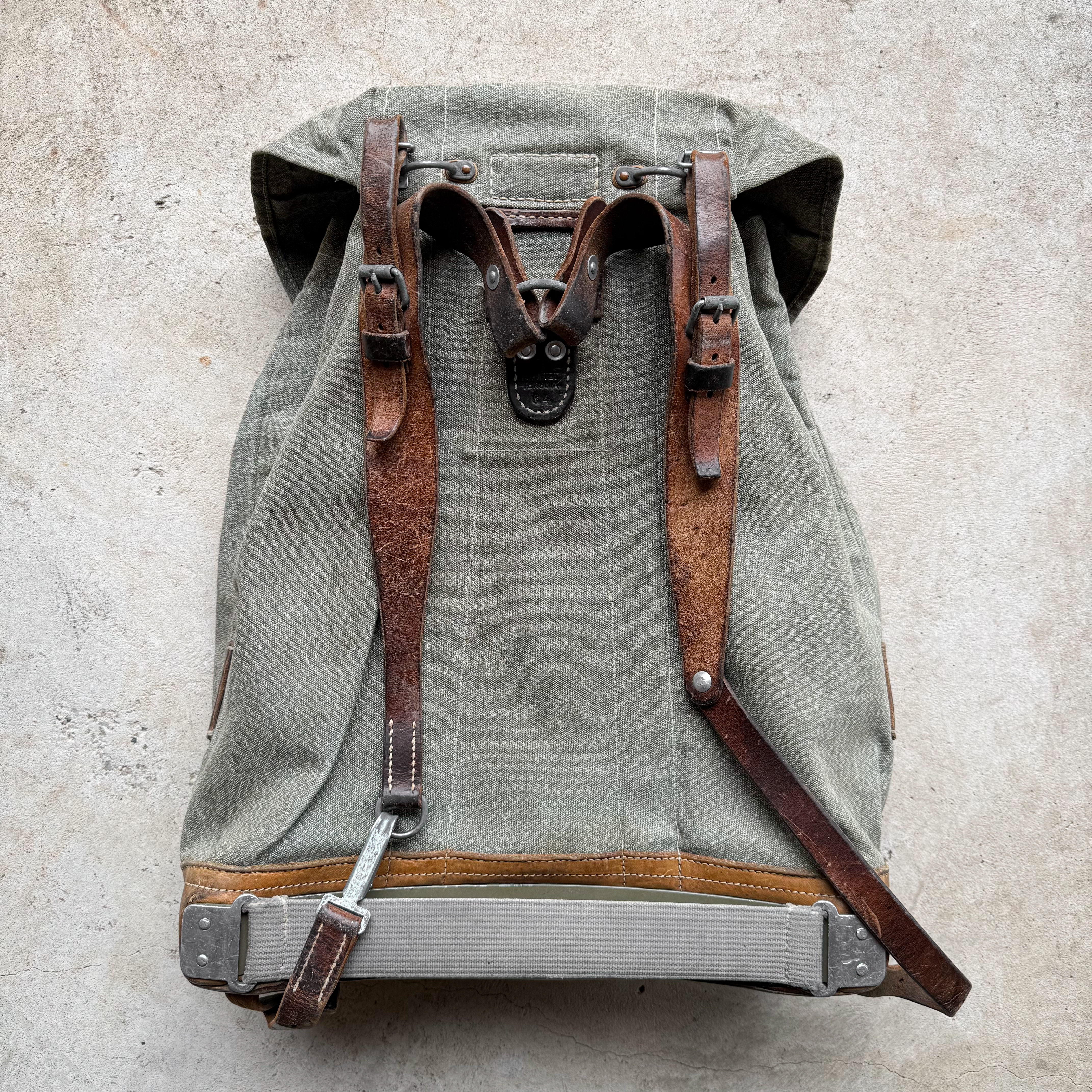
Vintage 1964 Swiss Army “Salt & Pepper” Mountaineer’s Rucksack
This classic, high-quality backpack is ideal for hiking, travel, or everyday use. Its timeless design and durable construction make it both practical and full of character.
The outer layer is made of sturdy olive-green canvas, while the shoulder straps, front straps, and base are crafted from robust saddle leather. The leather has been carefully cleaned and treated with oil, improving both flexibility and comfort.
On the back, the leather is marked with the original initials of the first owner, along with the year, adding a unique and personal historical touch.
After more than 60 years, the bag remains in worn condition, showing clear signs of use consistent with its age. Having already proven its durability over decades, it is built to last for many more years to come.
Measurements:
height; 50 cm
length; 40 cm
width; 22 cm
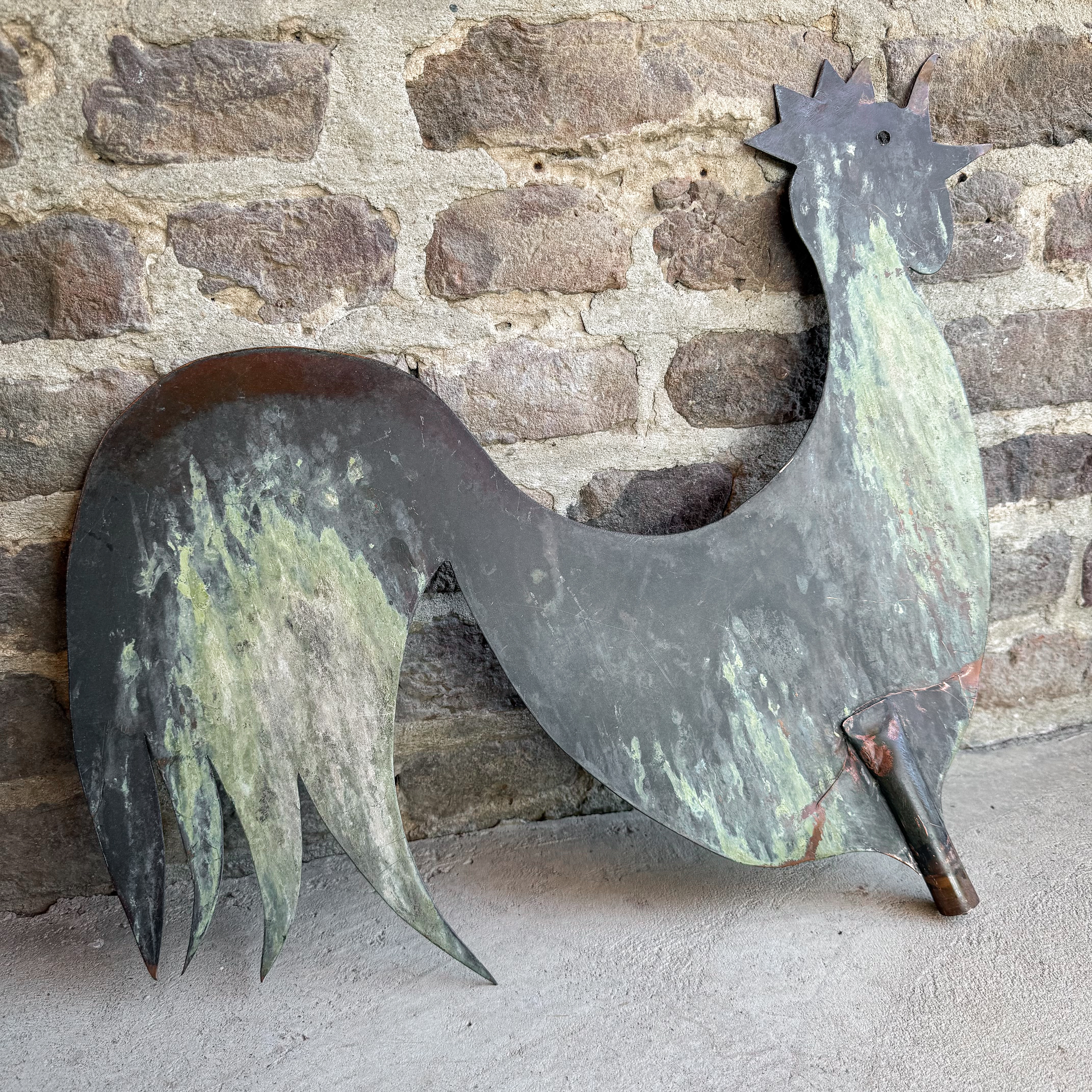
This unique weathervane is a beautiful example of early 20th century European folk art and once stood atop a church or farmhouse. The rooster is naively crafted from copper and was originally mounted on a pike. The conical base remains intact and can still easily be fitted onto a pole or rod for display.
A striking and characterful piece, it would make a bold statement mounted on a roof, while also serving as a distinctive decorative object when displayed indoors on a wall.
After more than a century, the weathervane remains in worn condition, showing clear signs of age and exposure. Years of weathering have given the copper a rich, oxidized patina that enhances its rugged charm and authentic appearance. The piece has been treated with antique wax to protect the surface and provide a subtle, soft sheen.
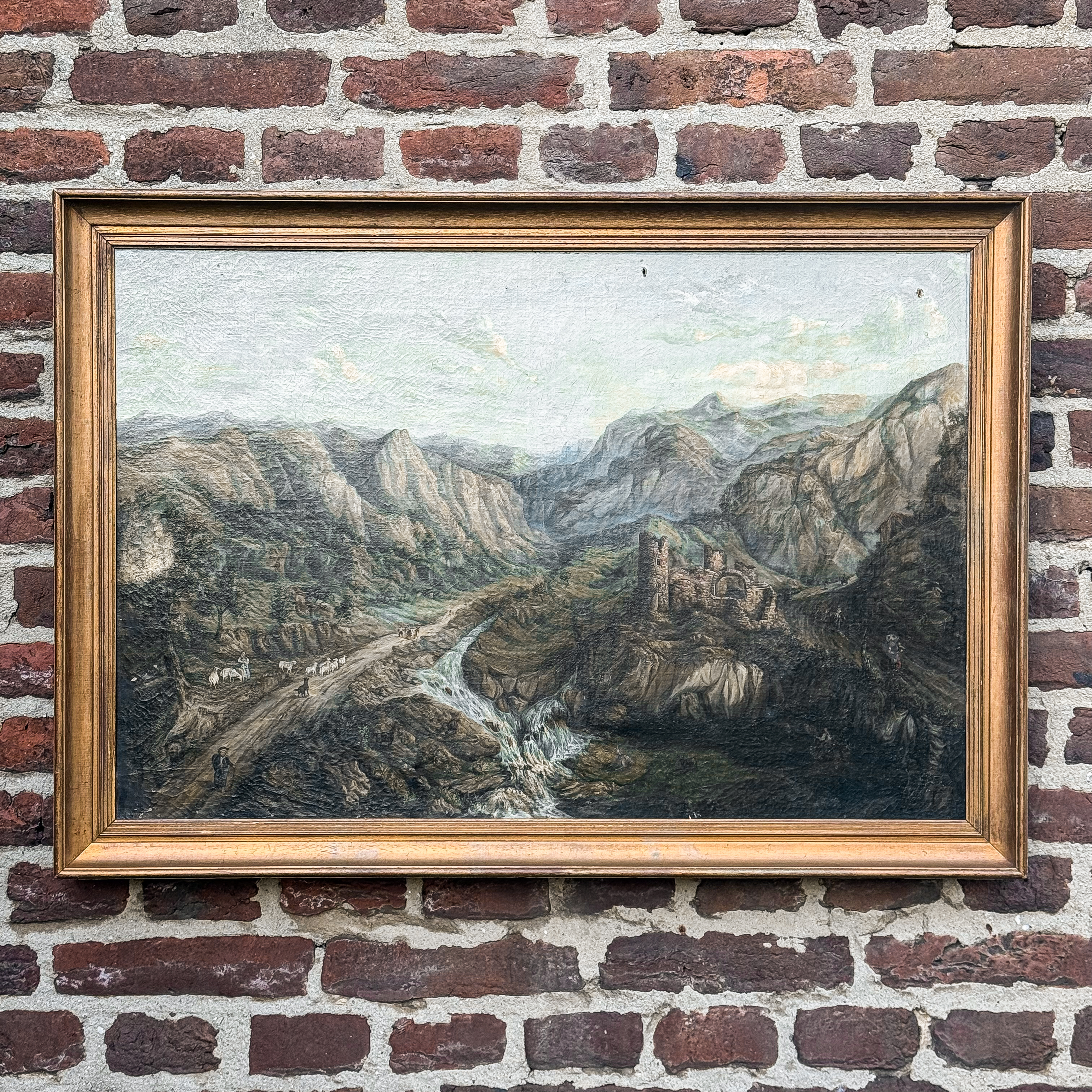
This large oil painting depicts a romantic French mountain landscape, rich in detail. The scene features a shepherd with his flock of sheep and dog, alongside several other figures and animals. A cascading waterfall draws the eye at the center, while the ruins of a castle rise on the side, adding depth and atmosphere to the composition.
The painting is presented in its original classic wooden frame, which complements the character of the piece.
A striking and atmospheric work, it would make a unique statement when displayed in a classic or romantic style interior.
After more than a century, the painting remains in worn condition, showing visible signs of age. Over time, the surface has developed a natural craquelure, fine cracks in the paint layer, which enhances its authenticity and charm. The canvas shows several small holes in the upper half of the painting.
Measurements:
Width: 92.5 cm
Heigth: 65 cm
Depth: 5 cm
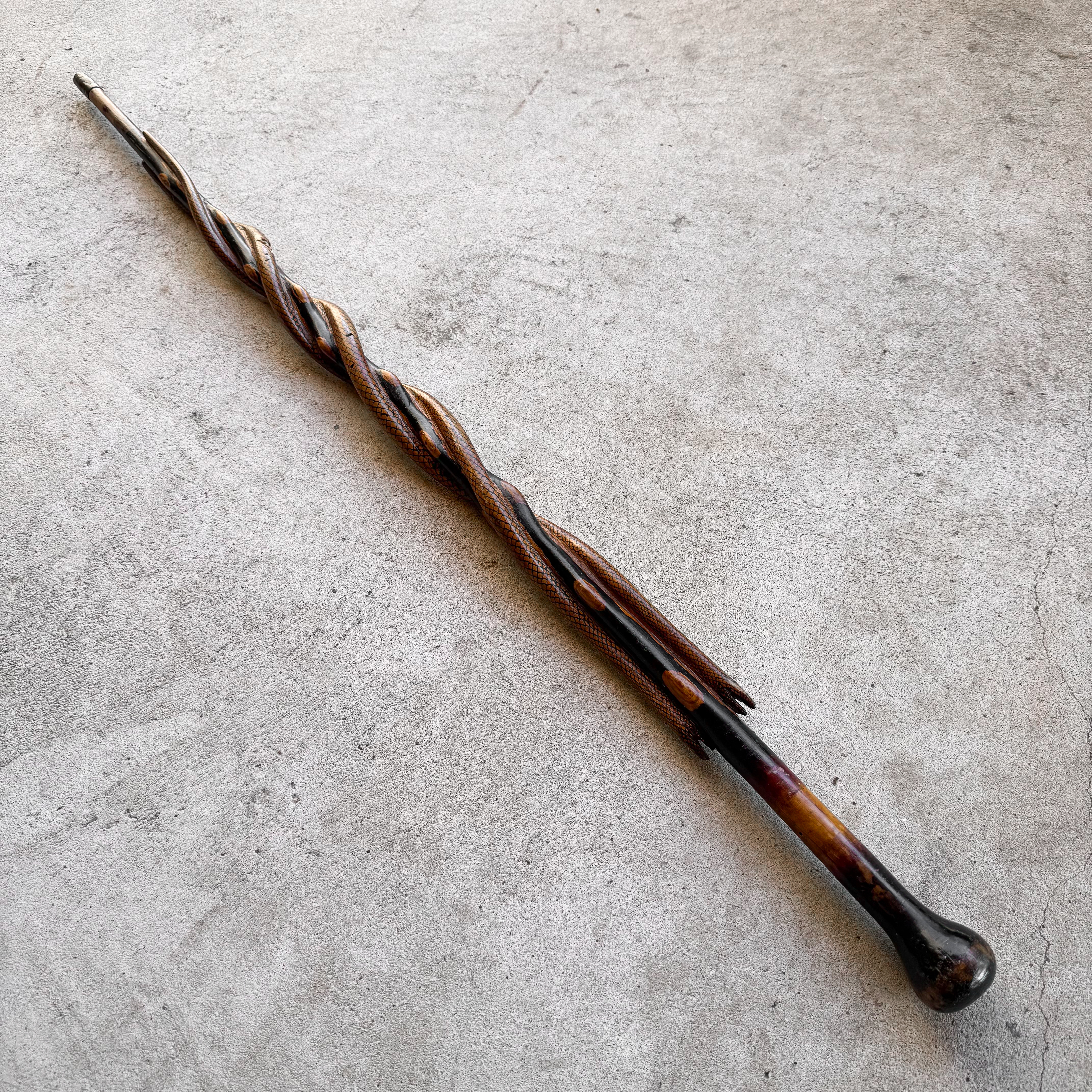
This unique walking stick was hand carved by a French soldier during the First World War. Coiling around the shaft are two finely carved snakes, a powerful symbol often associated with vigilance, danger, and survival.
To escape the relentless stress and monotony of wartime life, soldiers often turned to creativity, repurposing available materials into what is now known as trench art. These deeply personal objects were made using limited tools and resources, resulting in raw, expressive works that reflect both hardship and resilience. Each piece tells a human story shaped by uncertainty, longing, and endurance.
This cane carries a tangible sense of history and would make a striking centerpiece in any World War I or military collection.
After more than a century, the cane remains in good condition, but shows signs of use. Over time, it has developed a beautiful natural patina that enhances its character and authenticity. It shows several old wood worm holes, for which it has been treated for.
The surface has been treated with antique wax, providing a protective layer and a subtle, soft sheen.
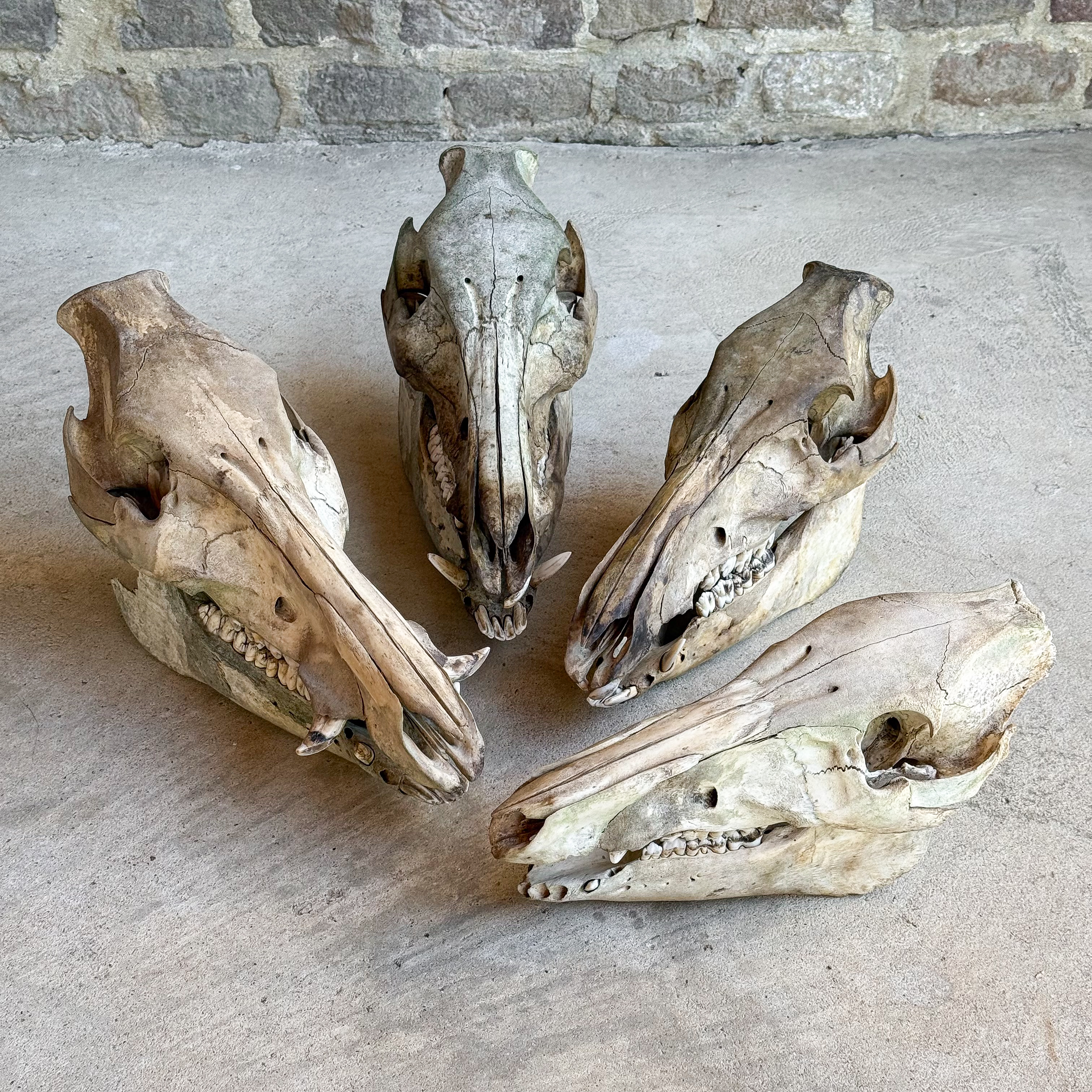
These wild boar skulls were found in the forests of France and each displays a naturally weathered patina, shaped by years of exposure to the elements.
They would make a striking addition to any skull collection, but are equally suited for use in art projects, taxidermy displays, or as distinctive decorative pieces.
The skulls remain in worn condition, showing clear signs of age and environmental exposure. Over time, they have developed a natural patina that enhances their rugged character. Some examples show minor damage, and most are missing a number of teeth, consistent with their age and condition.
All skulls have been cleaned of surface dirt and debris and are free from pests or insects.
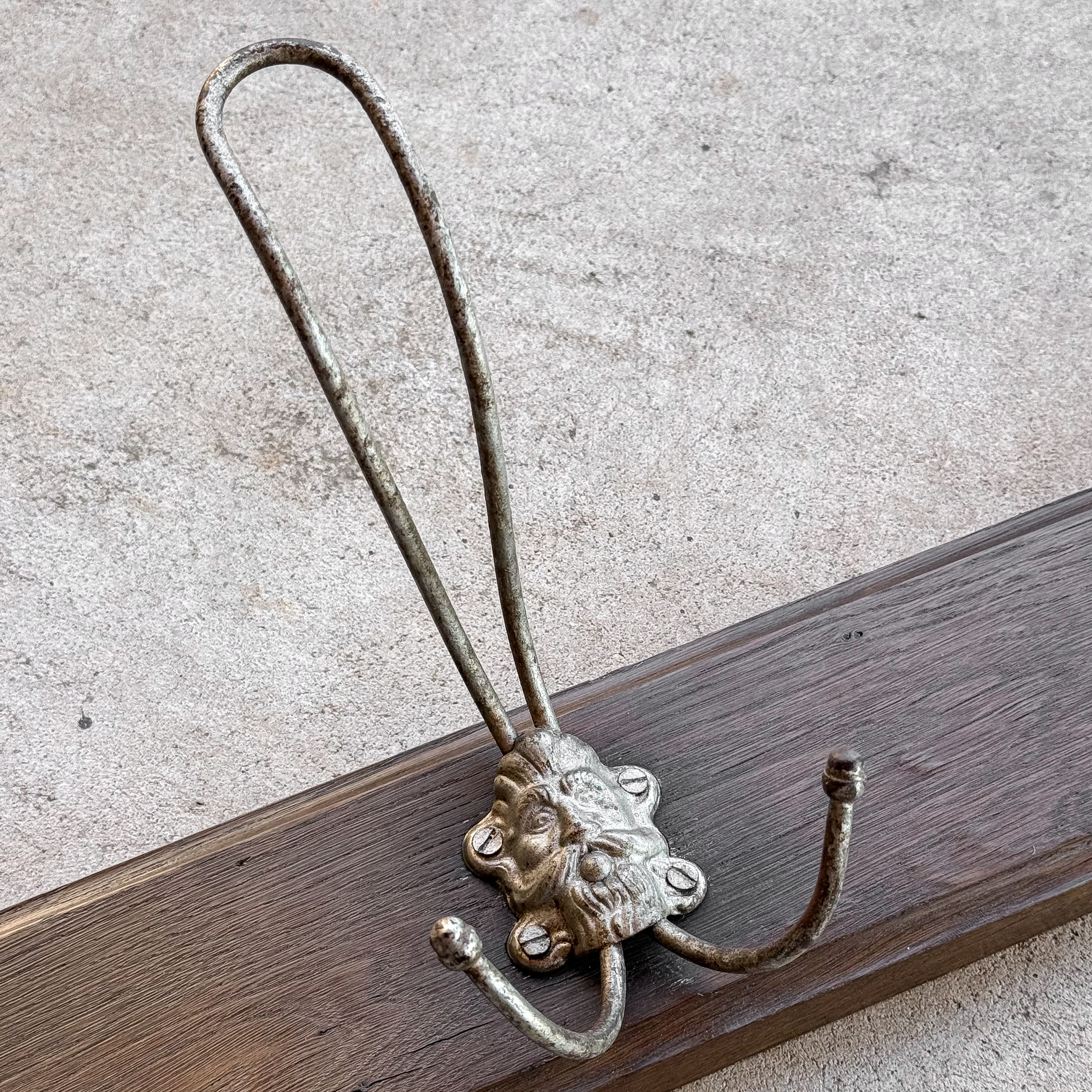
These unique coat hooks are shaped like bearded men and are mounted on a classic oak wall rack.
They offer both a stylish and practical way to hang coats and hats.
After more than a century, the coat rack remains in good condition, showing signs of age and use. Over time, it has developed a rich patina that enhances its character and charm.
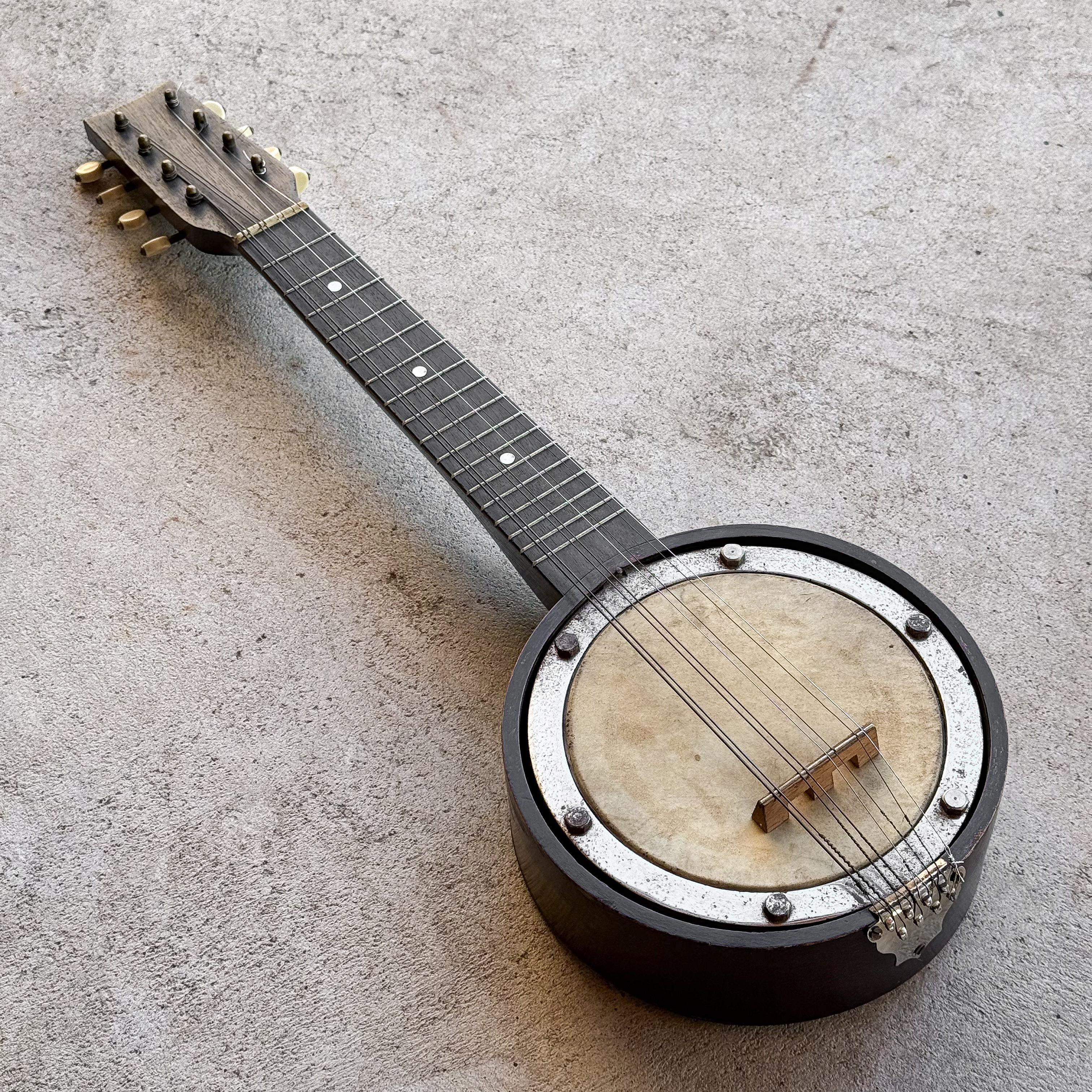
This instrument is a fine example of 1930s luthier craftsmanship. It comes complete with its original hard case.
A truly decorative piece of musical history, perfect for adding character to a lodge, cabin, or eclectic interior.
The banjolin shows signs of wear consistent with age and use, which add to its authentic vintage appeal. Aside from light, careful cleaning, it has been left in its original condition, allowing the next owner to either enjoy it as-is or restore it further according to their preference.
Measurements:
banjolin length: 51 cm
Neck length: 35 cm
banjolin width: 17 cm
This charming antique compass dates back to the 1920s and features a solid brass case with a folding cover and a transit lock. The compass comes with an original matching 1920s watch chain, making it ideal for attaching to a vest or other garments.
Whether you’re looking for a practical hiking companion, a unique pendant, or a decorative display piece, this compact compass is both functional and full of history.
The compass remains in good working condition and still reliably points north. Over the years, the brass case has developed a beautifully aged patina that adds to its antique appeal and character.
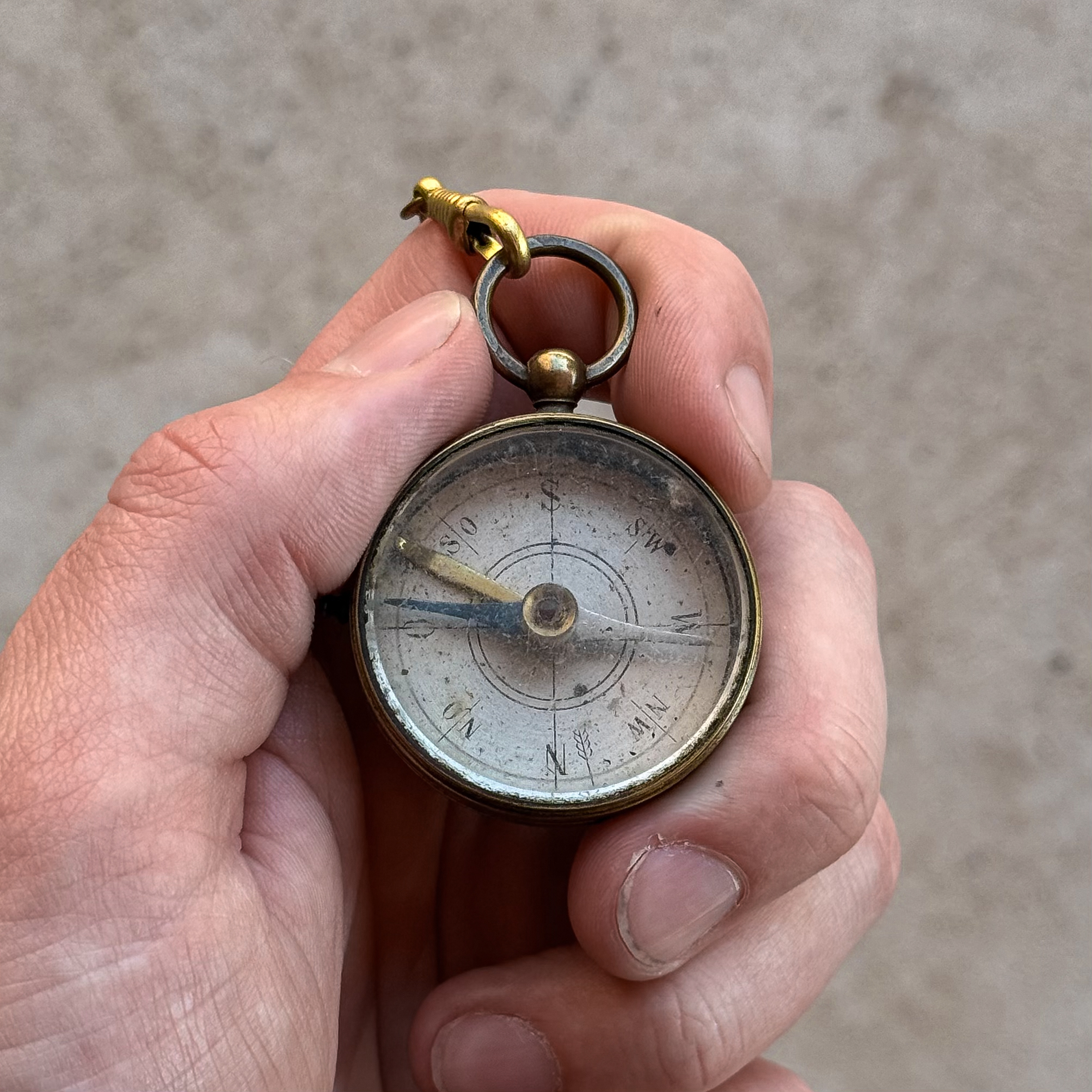
This charming pocket compass was made in Germany in the 1920s. It features a brass case with a faceted glass cover and is equipped with a side-mounted transit lock.
The compass comes with an original 1920s watch chain, making it ideal for attaching to a vest or other garments.
Still fully functional, it can accompany you on new adventures or be worn as a unique and characterful pendant.
After more than a century, the compass remains in used condition, showing signs of wear. Over time, it has developed a rich patina that enhances its character and authentic vintage appeal.
This pocket sized compass dates back to the World War II era and was likely military issued. It features a solid brass case with a glass cover and is equipped with a side mounted transit lock.
Still fully functional, it can accompany you on new adventures or be worn as a unique and characterful pendant.
After more than 80 years, the compass remains in good condition, showing light, age-appropriate wear. Over time, it has developed a subtle patina that enhances its character and authentic vintage appeal.