This antique snuff mull is a fine example of handcrafted early 19th century Scottish folk art. It is made from a hollowed cow horn and features silver mounts and decorative elements.
On one side, it bears a shield shaped silver plaque engraved with the Freemasonry symbol, while the lid is adorned with a smaller silver plaque featuring engraved initials.
A characterful and authentic piece, it would make a striking addition to any antique collection or cabinet of curiosities.
After more than 150 years, the snuff mull remains in good condition but shows signs of wear. Over time, it has developed a rich patina that enhances its charm and historical character.
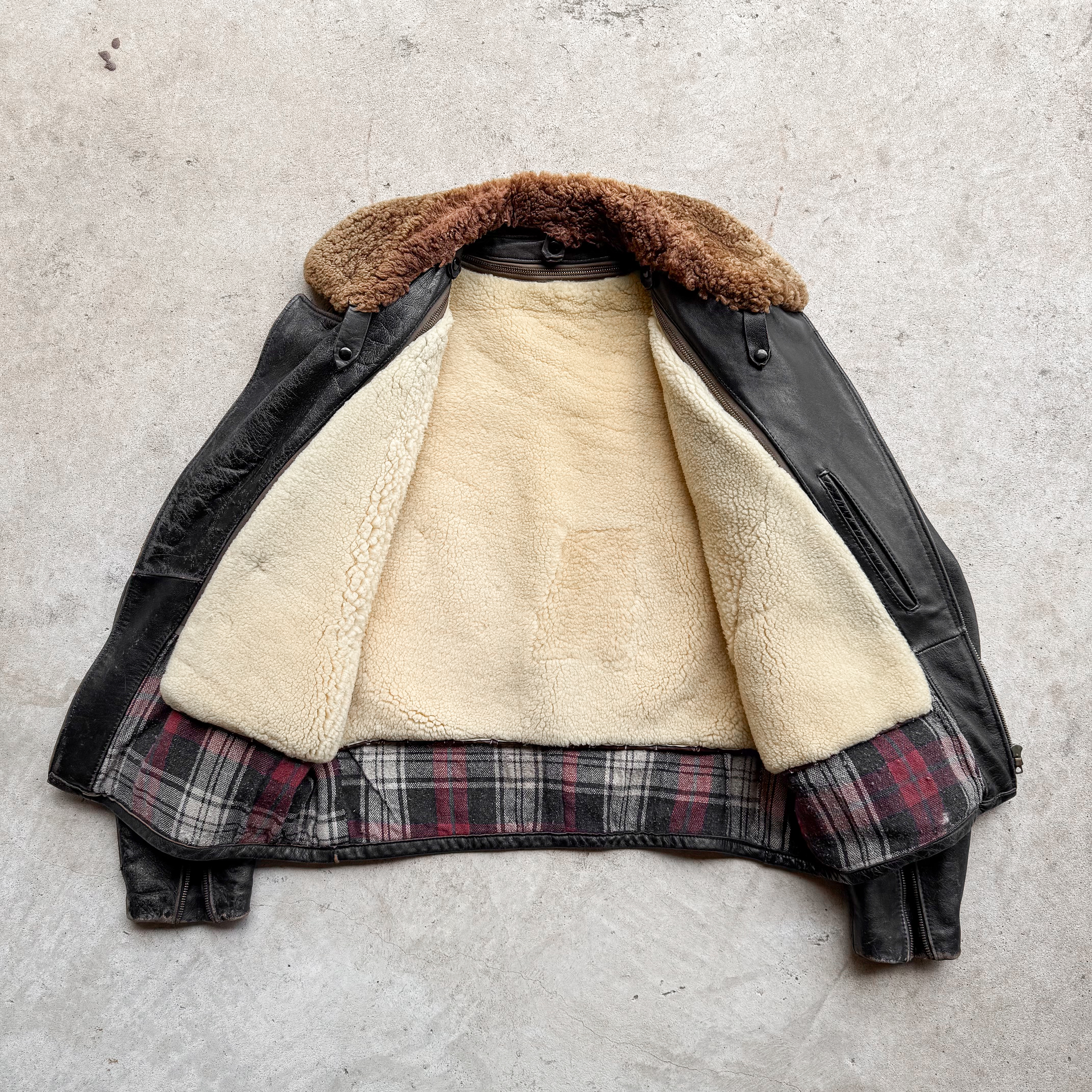
Originally made for riding, it has stood the test of time and remains a timeless piece, perfect for everyday wear. It is equipped with with a removable fur collar and sheepskin lining, making it both warm and comfortable to wear.
After 60 years the jacket still remains in good condition, but shows signs of wear. Over time it developed a nice patina which only adds more charm to it.
Measurements:
Chest Width: 52 cm
Shoulder width: 50 cm
Back Length: 62 cm
Sleeve Length: 61 cm
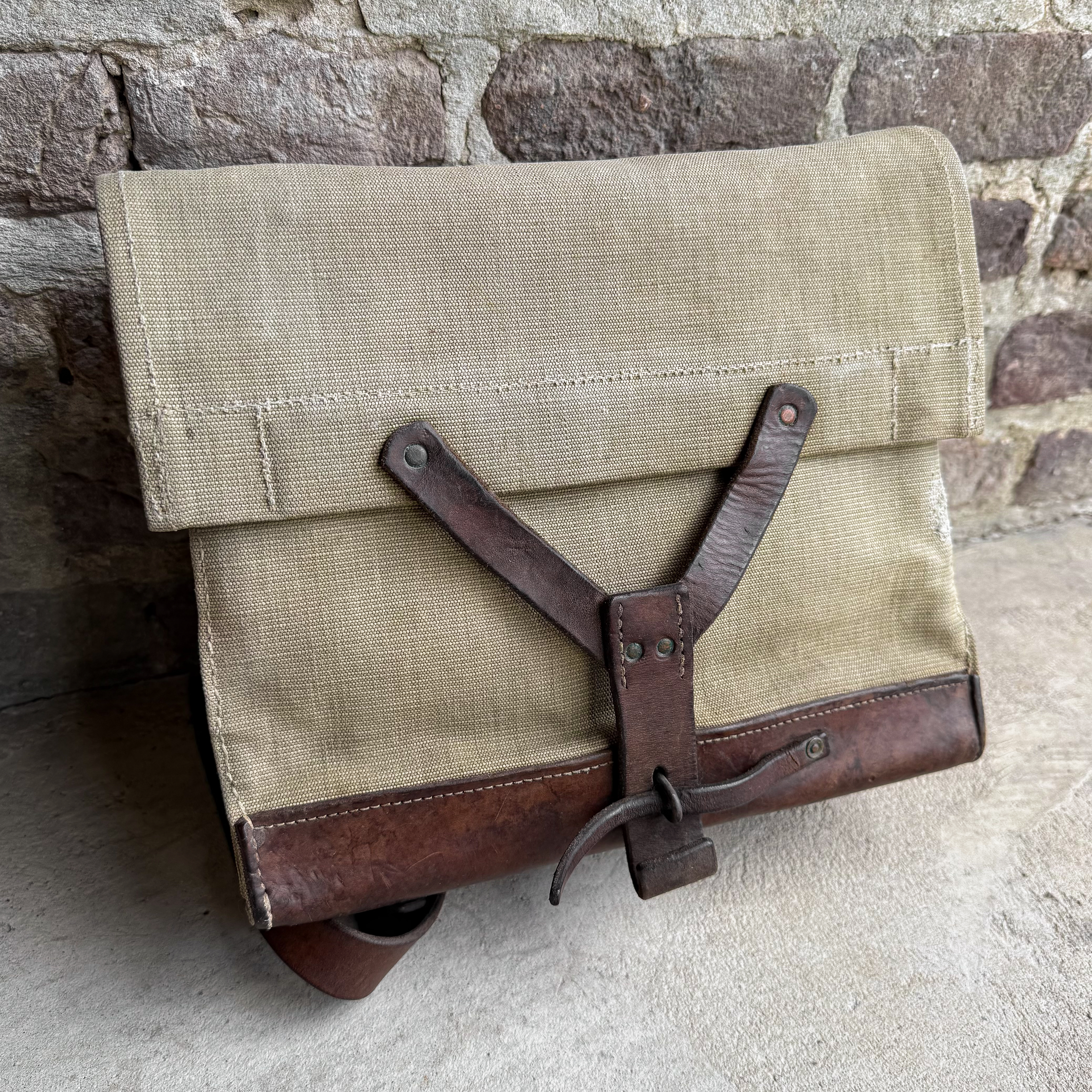
This rucksack was issued by the Swiss Army around World War II and is a fine example of early military field gear.
The bag features one large main compartment, two shoulder straps, and a sturdy top handle. It is made from durable canvas, while the base and fastening straps are crafted from thick saddle leather.
This rucksack would still make an excellent everyday bag and is also well-suited for day hikes or outdoor use.
After around a century, the bag remains in used but solid condition and shows clear signs of age and wear. Both the canvas and leather have developed a beautiful patina over time, adding to its authentic character. Built to withstand years of use, this piece still has plenty of life left.
The canvas has been carefully cleaned, and the leather parts have been treated with saddle soap and leather grease to keep them supple.
Measurements:
Height: 27 cm
Width: 30 cm
Depth: 17 cm
This charming vintage pocket compass features a solid brass case and was made in West Germany in the 1950s.
Still fully functional, it can accompany you on new adventures or be worn as a unique pendant.
After more than 70 years, the compass remains in good condition. It has developed a light patina over time, adding to its character and vintage appeal.
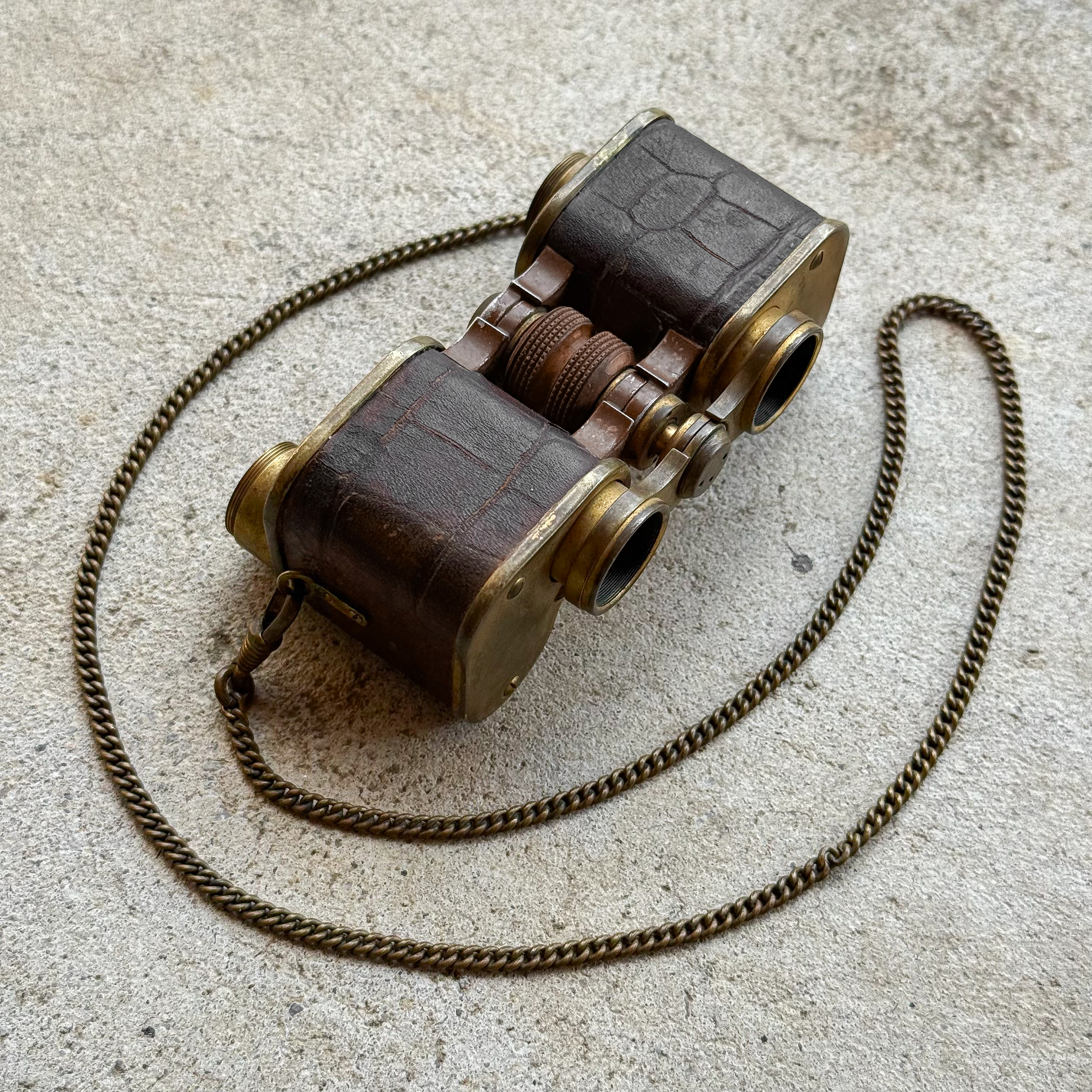
Antique early 1900s C.P. Goerz 3 1/3 Fago binoculars
These unique theatre glasses were produced by C. P. Goerz in Berlin in the early 20th century. They feature an elegant design, with a brass body complemented by a leather covering embossed in a crocodile pattern.
A fine example of early optical craftsmanship, these binoculars would make a perfect addition to any collection of scientific instruments, a cabinet of curiosities, or a classic, refined interior.
After more than a century, the binoculars remain in good antique condition, showing expected signs of age and use. Over time, they have developed a beautiful patina that enhances their character and historical appeal.
Measurements:
Width; 9.3 cm
Length: 5.6 cm
Heigth: 3.6 cm
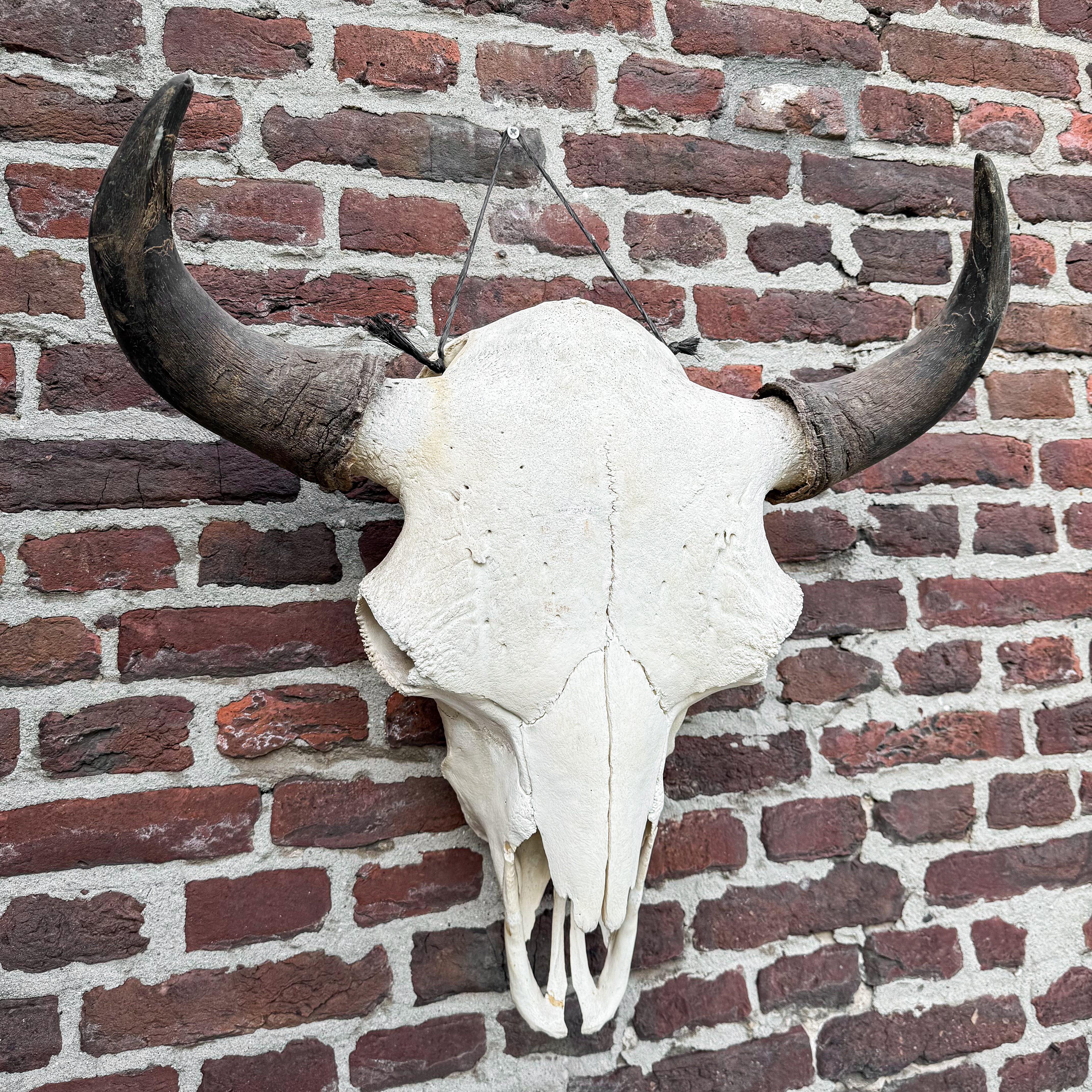
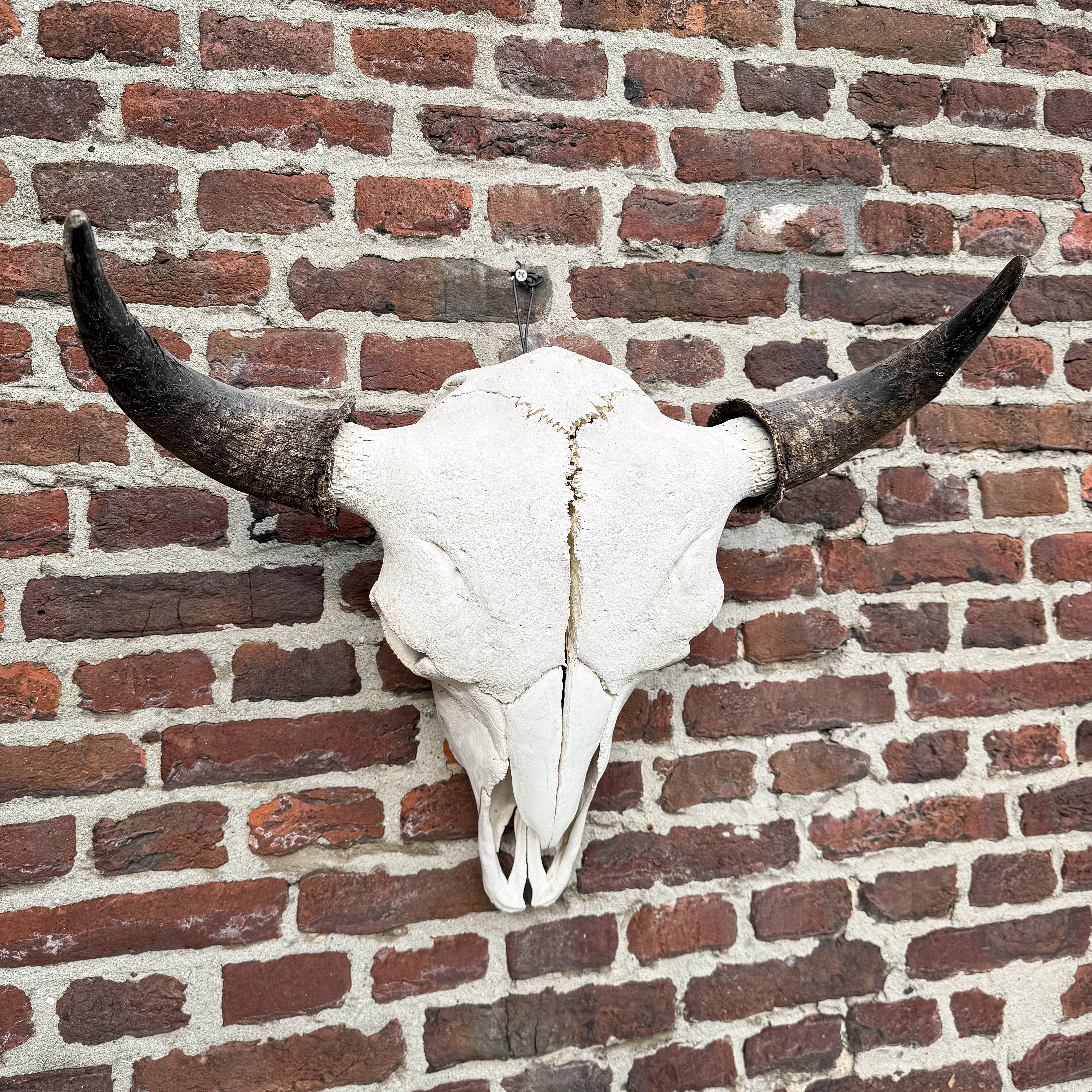
This impressive, large skull comes from an American bison bull and originally hails from Montana. It features two distinctive curved horns, prominent nasal bones, and large, expressive eye sockets that give the piece a powerful presence.
This makes it a striking decorative object, perfect for creating an authentic Western or frontier atmosphere. It would fit beautifully in a cabin, lodge, or any rustic interior setting.
After several decades, the skull remains in good condition. As expected for an item of this age, it shows natural signs of wear and weathering, which only enhance its character and tell the story of its past. A few teeth are missing, a small imperfection that further adds to its authenticity and aged appeal.
Measurements:
Width: 68.5 cm
Length: 70 cm
Depth: 28 cm
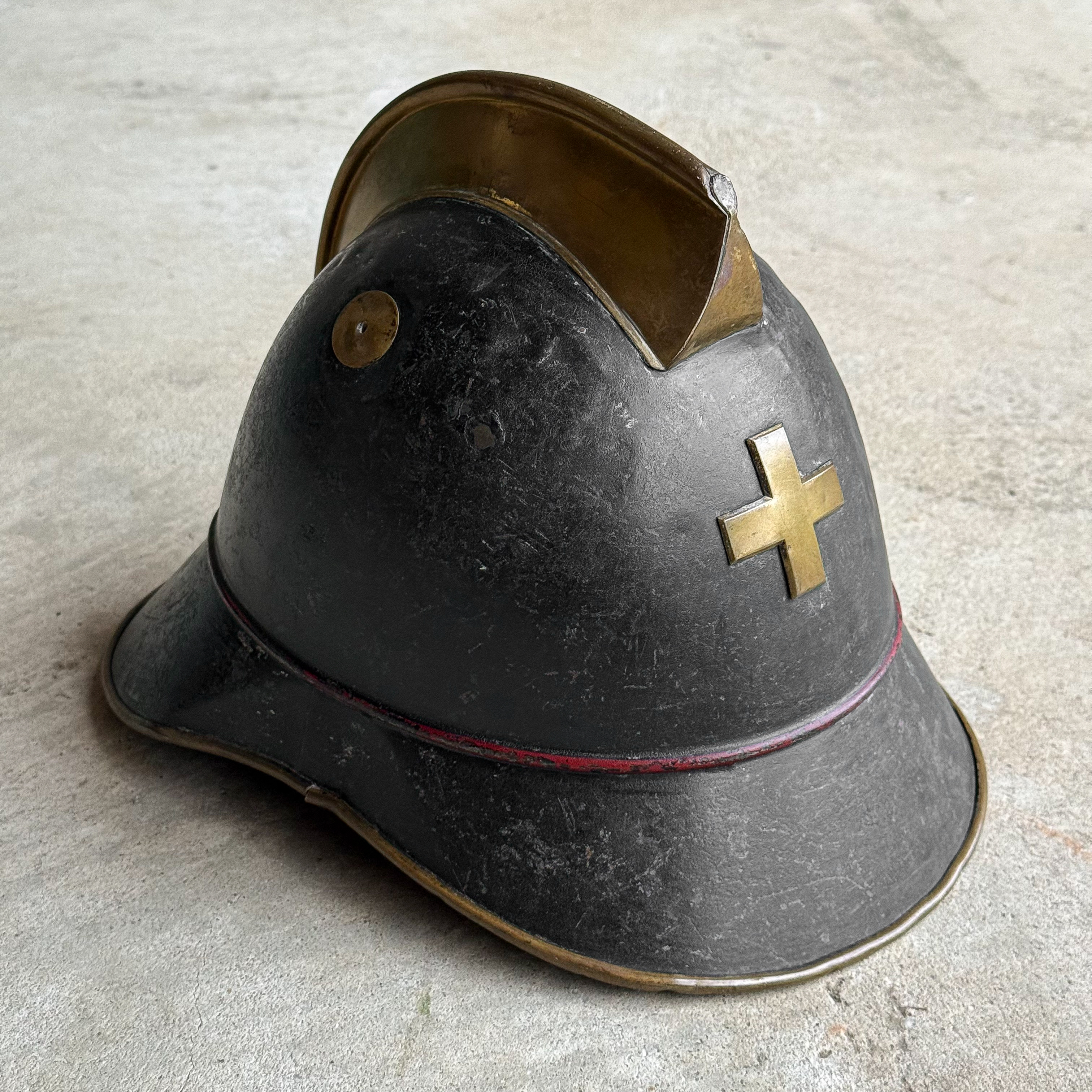
This original helmet was issued by the Swiss fire brigade in the early 1900s and stands as a fine example of early 20th century firefighting equipment.
Its design is both simple and functional, featuring a characteristic brass comb crest along the top, an interior leather liner for a secure and comfortable fit, and a prominent Swiss cross emblem at the front.
A highly decorative and authentic piece, it would make a striking addition to any firefighting collection or serve as a distinctive accent in a rustic or industrial-style interior.
After more than a century, the helmet remains in good antique condition, showing clear signs of age and use. Over time, it has developed a rich, beautiful patina that enhances its character and historical appeal. The surface has been carefully treated with antique wax, providing a protective layer and a subtle, soft sheen.
Measurements:
Height: 22 cm
Width: 19.5 cm
Lenght: 26 cm
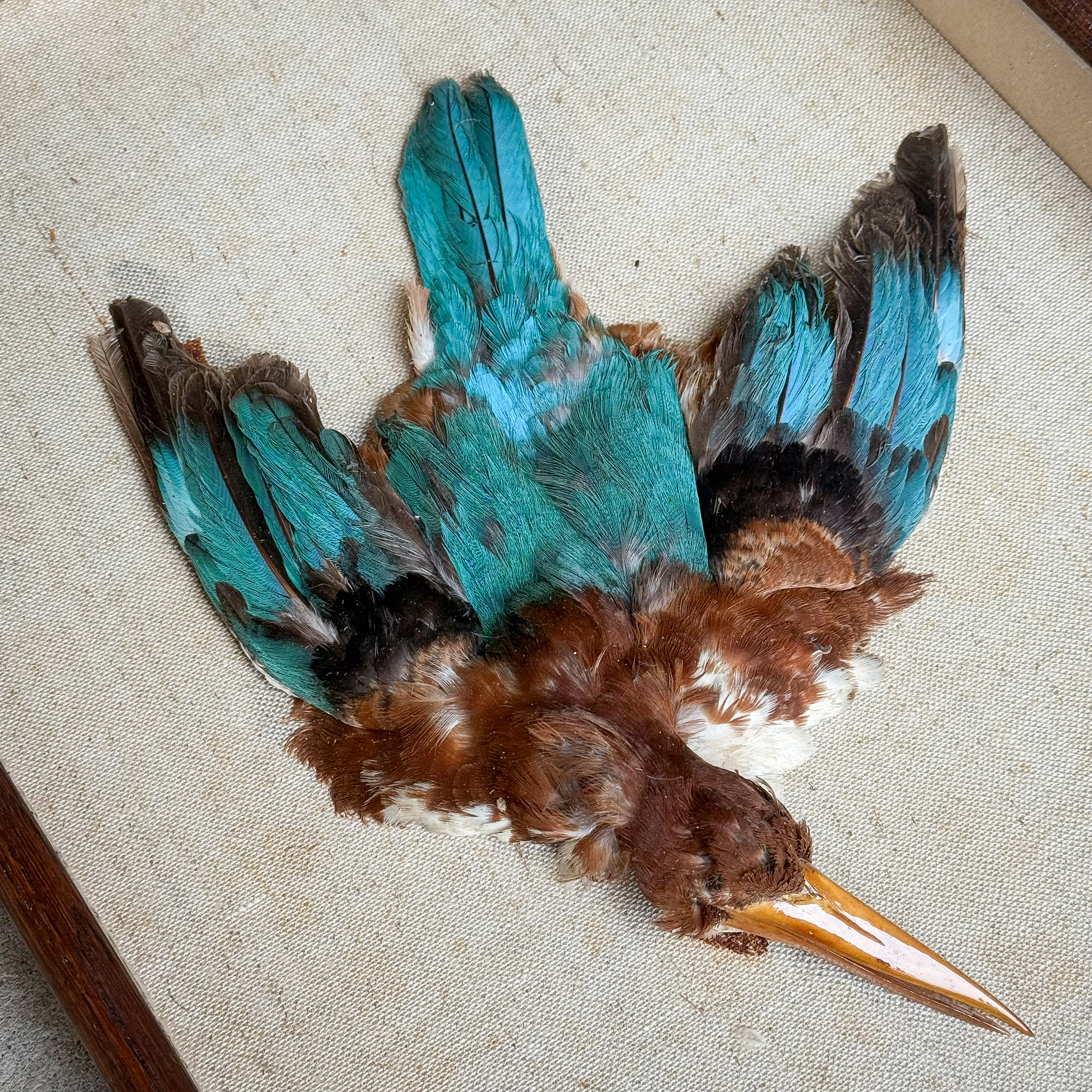
Antique early 1900s taxidermy white-throated kingfisher – ‘Halcyon smyrnensis’
This unique antique specimen features a beautifully preserved White-throated kingfisher, carefully mounted within a classic display case with a glass cover. Native to parts of Asia and Northeast Africa, this striking bird is known for its vivid plumage – deep blue wings contrasted with rich brown tones and a bright white throat.
Presented in its original case, this piece carries the charm and character of early 20th-century natural history displays. It would make a perfect addition to a cabinet of curiosities, Wunderkammer, or any serious taxidermy collection.
After more than a century, the display case remains in good antique condition, showing expected signs of age and wear that only enhance its authenticity. Please note that the specimen has come loose from its base over time, a condition that could be restored if desired, or left as is to preserve its untouched historical state.
Measurements:
Width: 29 cm
Length: 42.5 cm
Height: 5 cm
This impressive, large skull comes from an American bison bull and originally hails from Montana. It features two distinctive curved horns, prominent nasal bones, and large, expressive eye sockets that give the piece a powerful presence.
This makes it a striking decorative object, perfect for creating an authentic Western or frontier atmosphere. It would fit beautifully in a cabin, lodge, or any rustic interior setting.
After several decades, the skull remains in good condition. As expected for an item of this age, it shows natural signs of wear and weathering, which only enhance its character and tell the story of its past. Two teeth are missing, a small imperfection that further adds to its authenticity and aged appeal.
Measurements:
Width: 67.5 cm
Length: 64 cm
Depth: 29 cm
This impressive, large skull comes from a female American bison and originally hails from Montana. It features two distinctive curved horns, prominent nasal bones, and large, expressive eye sockets that give the piece a powerful presence.
This makes it a striking decorative object, perfect for creating an authentic Western or frontier atmosphere. It would fit beautifully in a cabin, lodge, or any rustic interior setting.
After several decades, the skull remains in good condition. As expected for an item of this age, it shows natural signs of wear and weathering, which only enhance its charm and tell the story of its past.
Measurements:
Width: 55 cm
Length: 59 cm
Depth: 26 cm
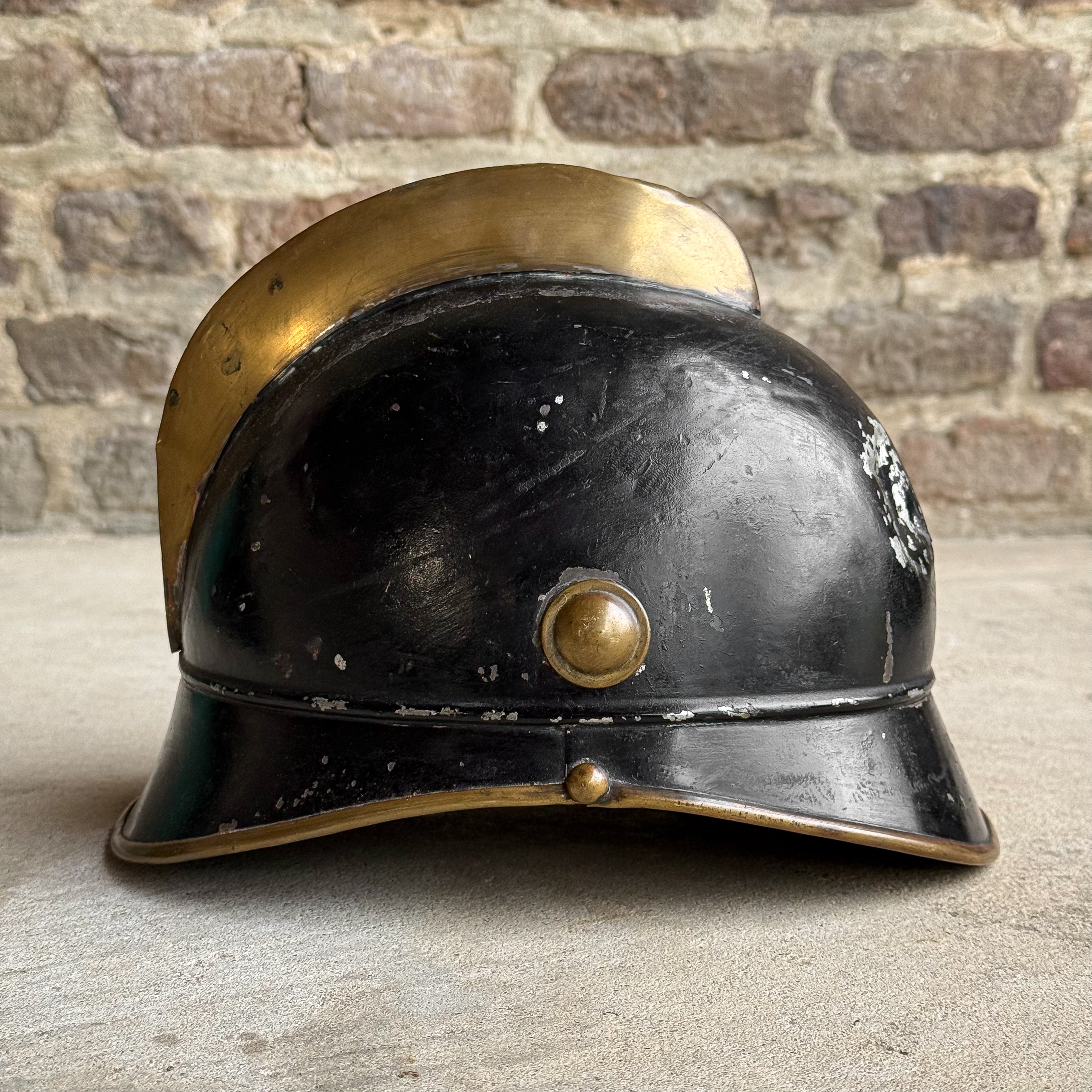
This original helmet was issued by the German fire brigade in the early 20th century and is a fine example of period firefighting equipment.
Its simple yet functional design features a characteristic brass comb crest on top, along with an interior leather liner for a secure and comfortable fit.
A highly decorative and authentic piece, it would make a great addition to any firefighter collection or a rustic or industrial style interior.
After more than a century, the helmet remains in good antique condition, showing clear signs of age and use. Over time, it has developed a beautiful patina that enhances its character and historical appeal. The surface has been treated with antique wax, providing a protective layer and a subtle, soft sheen.
Measurements:
Height: 19.5 cm
Width: 17.5 cm
Lenght: 24 cm
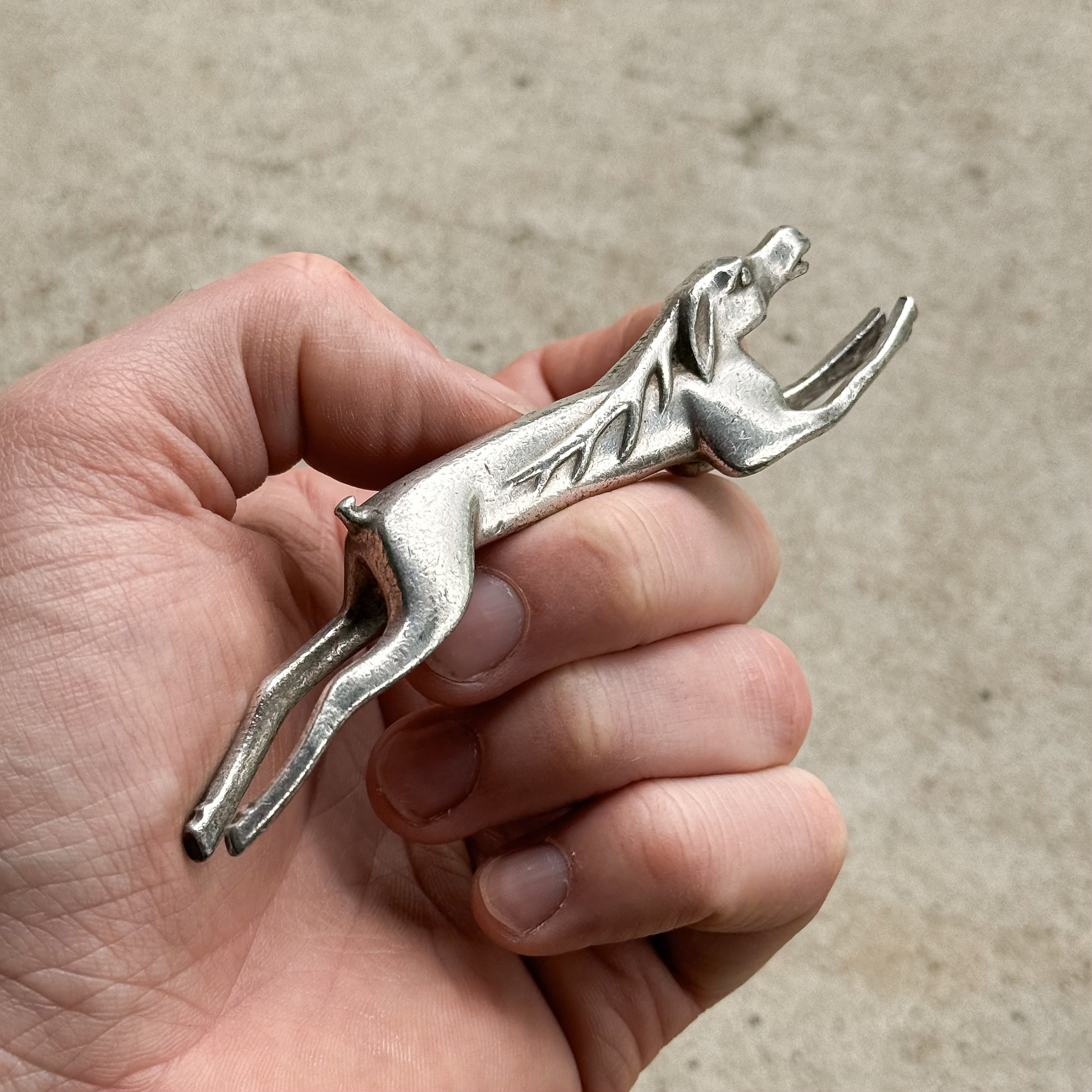
This charming set of Art Deco knife rests was beautifully crafted in France during the 1930s. Each piece depicts a deer in elegant detail, capturing the refined aesthetic typical of the period. The rests are silver plated and bear maker’s stamps on the underside.
They would make a lovely addition to any refined table setting or serve as distinctive decorative accents in a curated interior.
Even after nearly a century, the knife rests remain in good vintage condition, with visible signs of use. Over time, they have developed a beautiful aged patina that enhances their character and timeless charm.