This unusual piece depicts the face of a cat and was traditionally hung in fruit trees to scare off birds. Made in France in the early 20th century, it is crafted from iron and features striking glass marbles for eyes.
The scarer would make a distinctive addition to any cabinet of curiosities or gothic themed interior.
After more than a century, the piece remains in good condition but shows signs of age and wear. Over time, it has developed a beautiful oxidized patina that enhances its character. It has been treated with antique wax, providing a protective outer layer and a subtle glossy finish.
This antique bronze trinket dish features a striking mountaineering-themed design, depicting a detailed boot adorned with a traditional alpine hat, ice axe, and edelweiss. The underside is marked “Clus – 1917.”
It would make a wonderful addition to any cabinet of curiosities, but could just as easily serve as a stylish ashtray or decorative catchall.
Despite being over a century old, the piece remains in good condition. Over time, it has developed a rich, natural patina that enhances both its charm and authenticity.
These objects may look like ordinary stones at first glance, but they are in fact fossilized ear bones (tympanic bullae) from early whale species. Over the course of millions of years, these dense bones mineralized into the remarkable specimens they are today.
Because of their distinctive shape, weight, and smooth texture, whale ear bones are among the most fascinating and recognizable marine fossils.
They would make exceptional additions to any fossil collection, natural history display, or cabinet of curiosities!
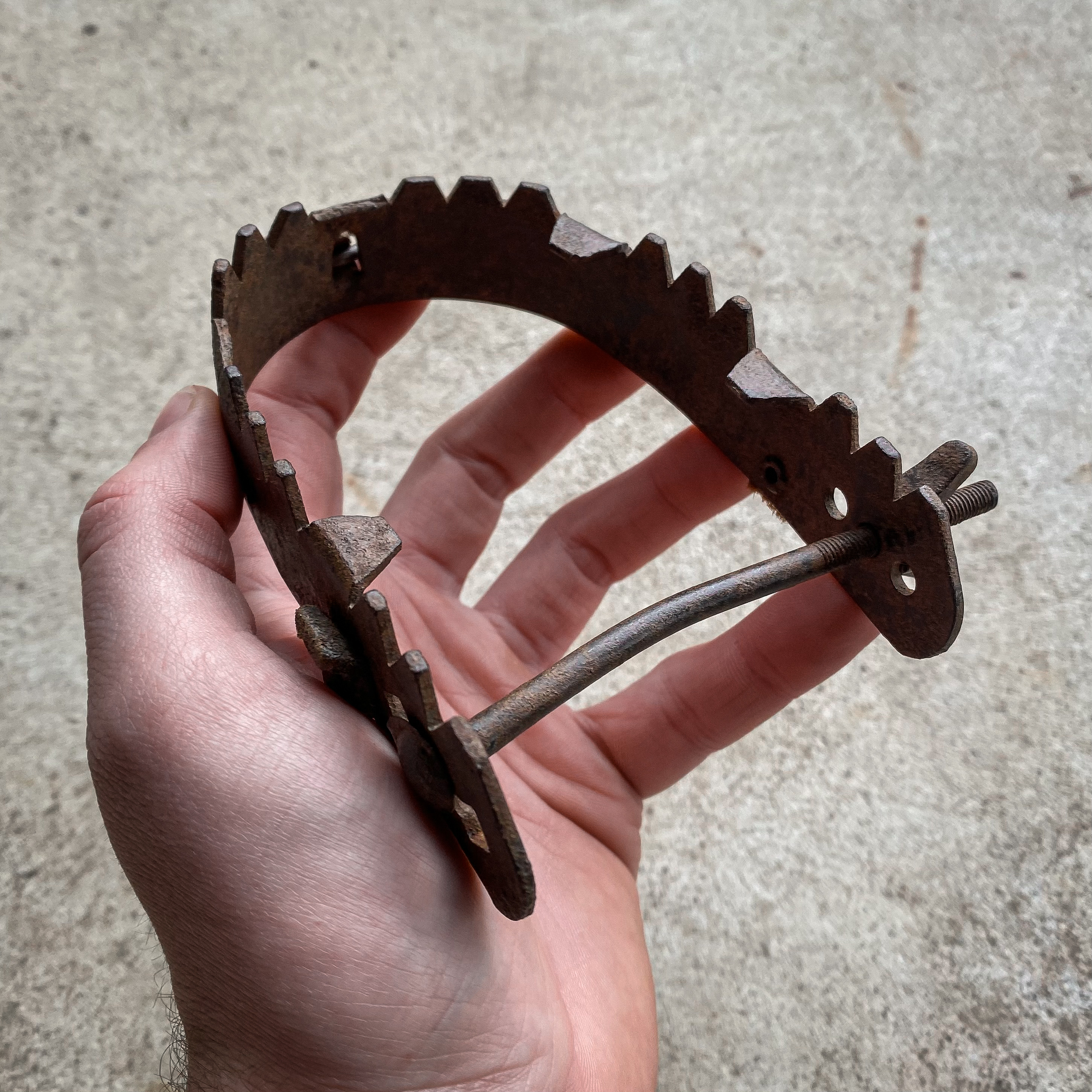
These early glacier cleats were used by mountaineers to gain traction on icy slopes, with the sharp spikes preventing slips as they were strapped beneath their boots. Hand-forged and made in France in the 1930s, they feature robust metal construction and once came with leather straps. The front is marked “Parachute Breveté SGDG”, referencing a French patent designation from that era.
This vintage pair would make a striking decorative piece — perfect for displaying on the wall of a cabin, lodge, or alpine-themed interior.
After nearly a century, the crampons remain in good condition. They have been carefully treated with antique wax to protect the surface and give them a subtle natural sheen. The original leather straps, however, are no longer present.
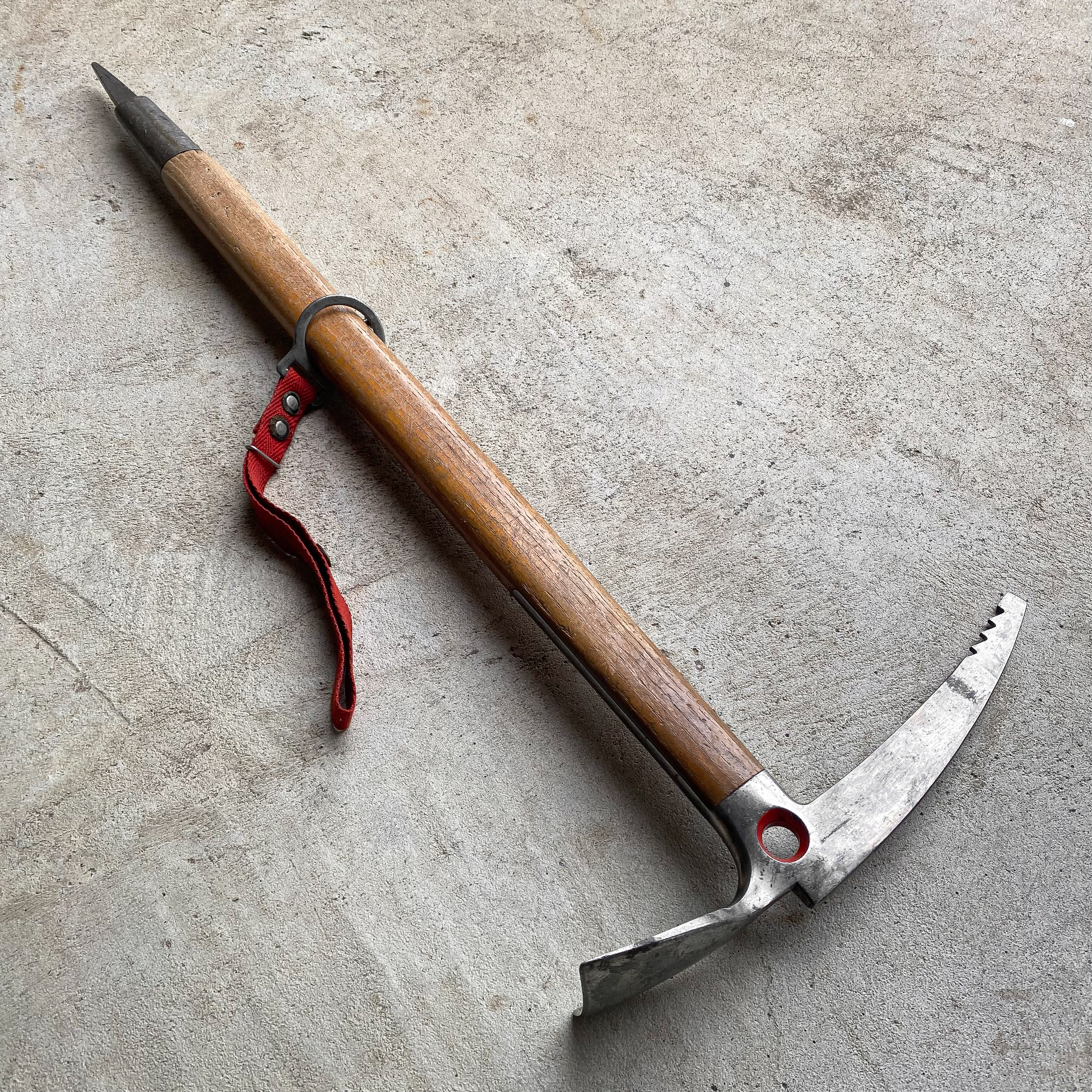
This vintage ice axe was produced in Chamonix in the 1950s by the renowned French mountaineer and equipment maker Claudius Simond, a respected figure in the Mont Blanc region. The blade still carries the original maker’s stamp – a clear mark of authenticity and heritage.
Once an essential tool for navigating icy alpine terrain, it now stands as a remarkable piece of mountaineering history. It would make a striking decorative element in any interior, or a unique highlight in a collection of vintage sporting gear or alpine memorabilia.
After nearly a century, the ice axe remains in worn but solid condition. Years of use have given it a rugged, oxidized patina that enhances its historical character. To preserve its surface, it has been treated with antique wax, adding both protection and a subtle sheen.
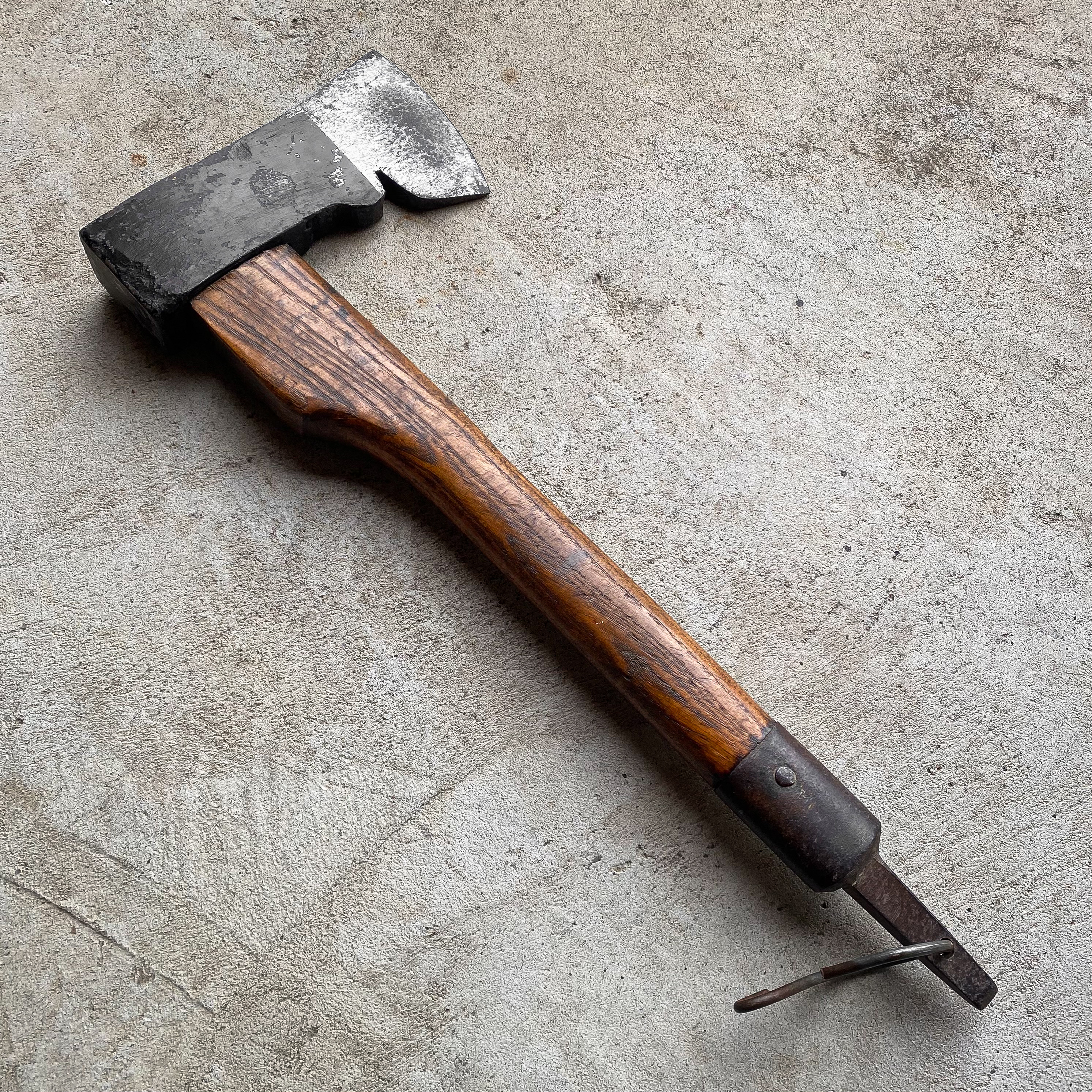
This vintage hatchet was crafted in the 1950s and comes with its original leather sheath.
A versatile piece with character, it’s ideal to take along on a bushcraft adventure, but it would also make a striking decorative item in a cabin or rustic interior.
Despite its age, the hatchet remains in good condition and carries the marks of use that tell its story. Over the decades, it has developed a rich patina that adds to its authenticity and charm.
Both the hatchet and sheath have been carefully cleaned and treated with antique wax, offering protection while enhancing their natural luster.
This unique piece of folk art depicts the head of a musk ox, crafted from the occiput – the part of the skull that connects to the spine – of a prehistoric cave bear. It originates from Ariège, a mountainous region in southern France known for its many caves where cave bear remains are frequently found. While the bone itself is prehistoric, the painted artwork was likely created sometime in the 20th century.
This striking object would make a perfect addition to any cabinet of curiosities or collection of folk art and fossils!
Measurements:
Width: 6.5 cm
Height: 3.5 cm
Depth: 5 cm
This antique bag was hand made and was pressumably used to carry around tools.
It was made of sturdy saddle leather which will last for just as long as it has been around!
The bag would be a decorative piece to any rustic style interior!
After almost a century it is in a worn condition but still remains strong. The patina it acquired over the years only adds to its rugged character. It has been cleaned with saddle soap and treated with grease and beeswax.
Measurements:
Heigth: 24 cm
Width: 22.5 cm
Depth: 12 cm
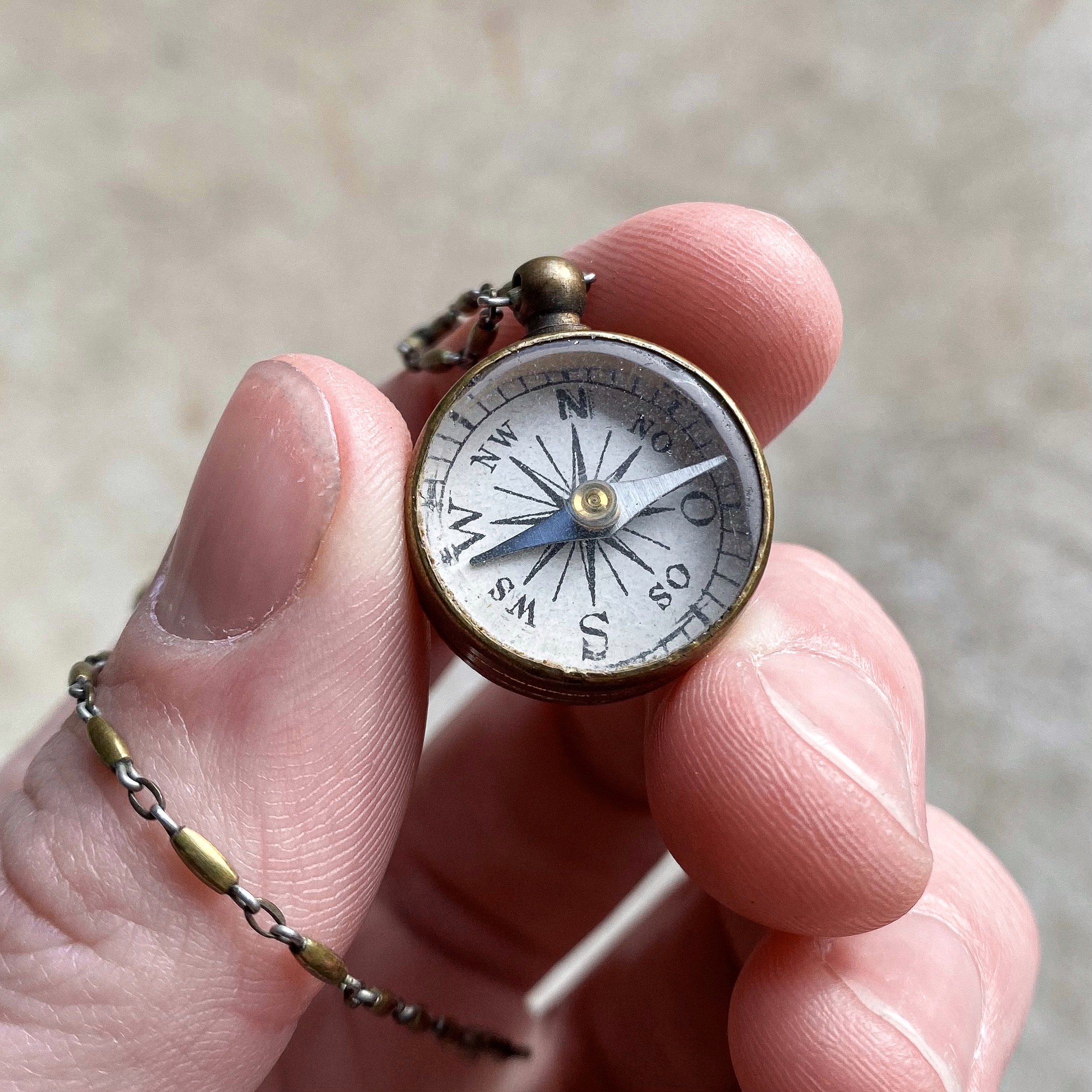
This charming antique compass dates back to the 1930s and features a solid brass case with a glass cover. It comes paired with an antique watch chain.
Whether you’re looking for a practical hiking companion, a unique pendant, or a decorative display piece, this compact compass is both functional and rich in history.
The compass is still in good working order and reliably points north. Over the years, the brass case has developed a beautifully aged patina that enhances its antique appeal and character.
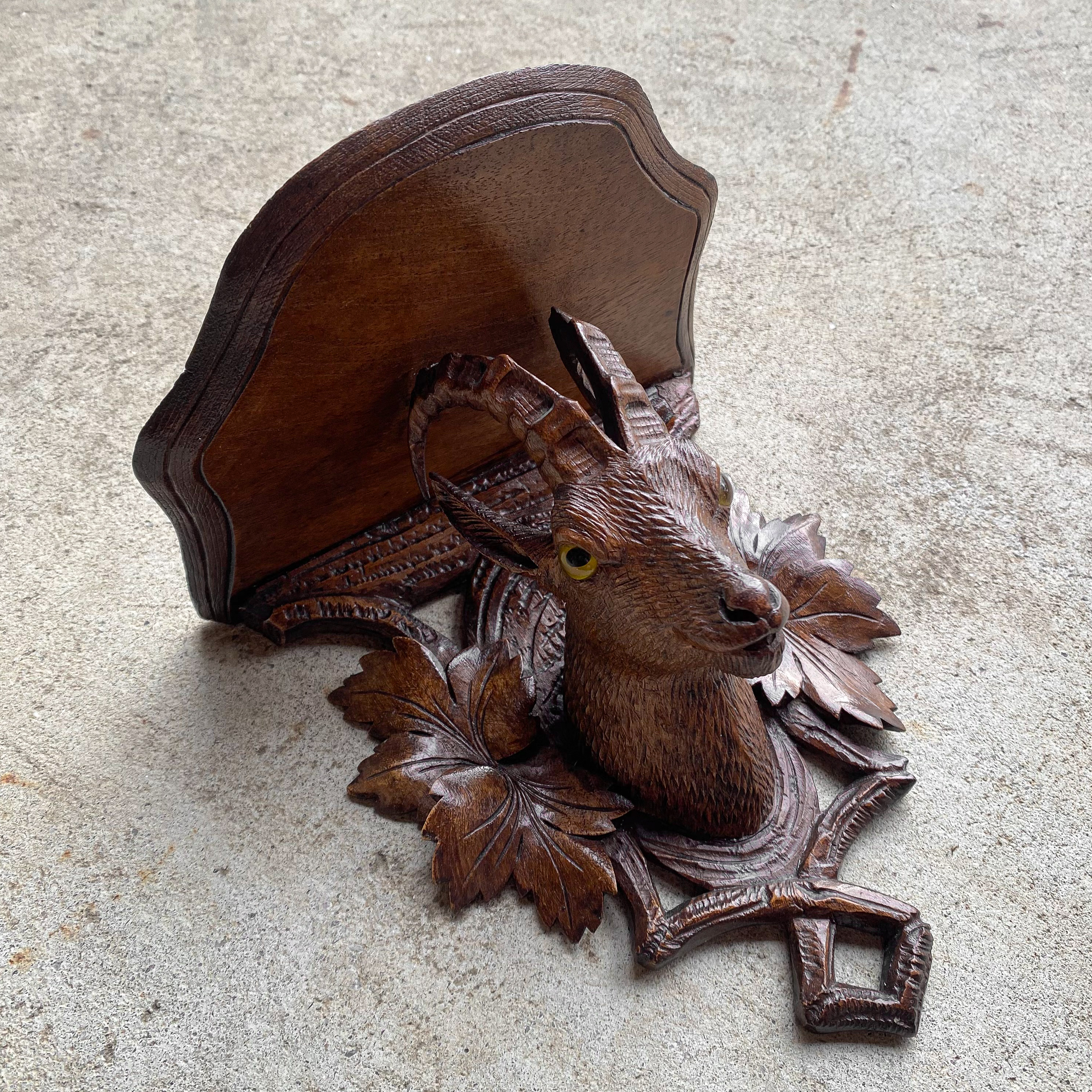
This unique ibex console was traditionally hand carved in the Black Forest region, renowned for its rich heritage in woodcraft. It is a fine example of the exceptional craftsmanship that made the area world famous, featuring intricate detailing and striking glass eyes that lend it a lifelike presence.
Its expressive character and authentic finish make it a perfect piece for displaying in a cabinet of curiosities, on your wall, or as part of any folk art collection.
After more than a century, the console shows only minor signs of age and wear. In my opinion, the natural patina it has developed over time only enhances its unique charm and authenticity. There is a small repair visible on the right corner.
Measurements:
Heigth: 18 cm
Width: 17 cm
Length: 13 cm
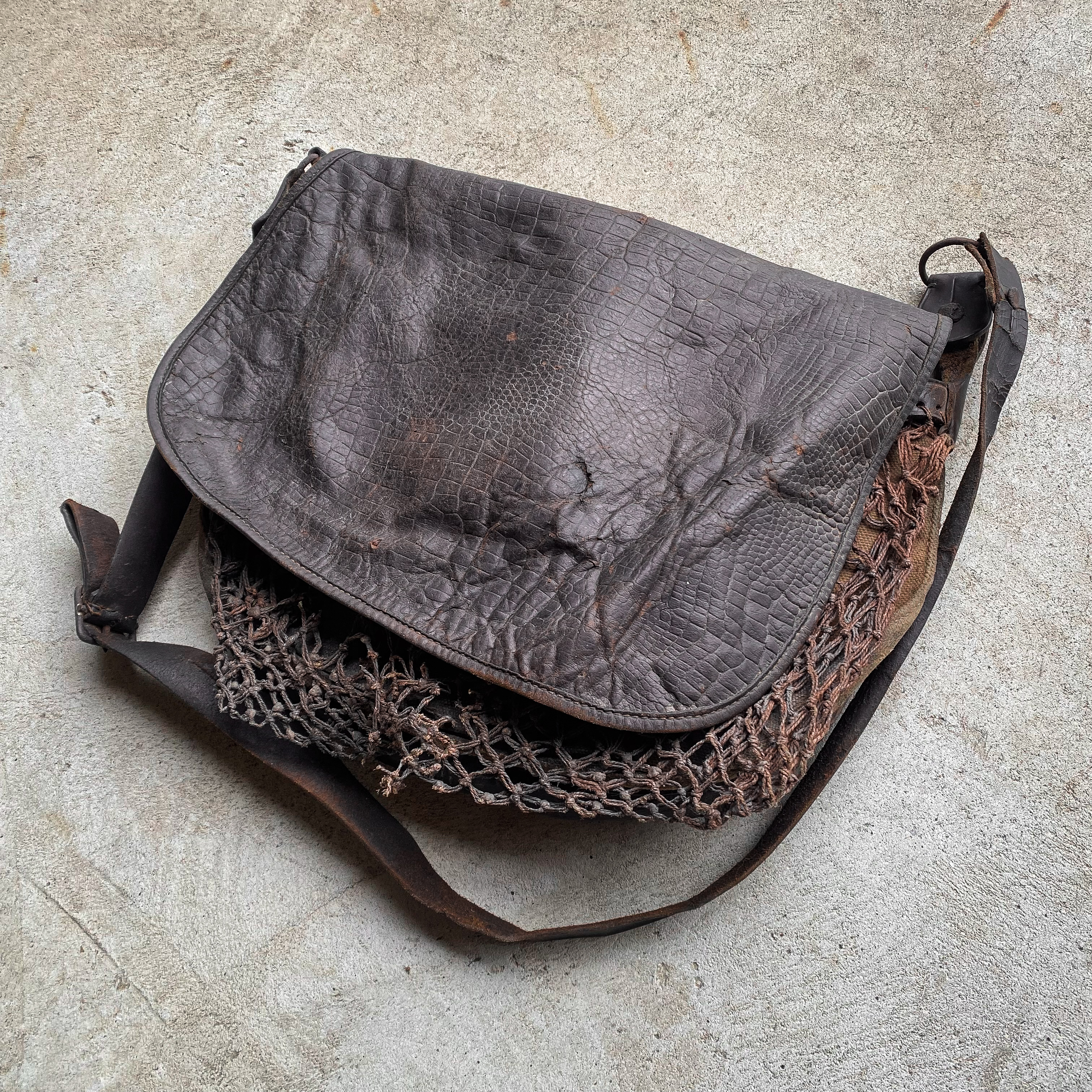
This French made hunting bag dates back to the 1930s and was traditionally used by hunters to carry small game and cartridges. It features multiple compartments, a netted section for transporting rabbits or birds, and an adjustable leather shoulder strap. The brown leather—with its subtle crocodile-style pattern, gives the bag a classic and rugged appearance.
It would also make a striking decorative piece, especially in a cabin, lodge, or hunting-themed interior.
After nearly a century, the bag is in used condition and shows signs of wear. Over the years, it has developed a beautiful patina that adds to its charm, though the leather has become fragile with age. The net originally used for carrying game is torn in several places. Due to its delicate condition, I would not recommend using the bag for practical purposes.
Measurements:
Width: 37 cm
Height: 30 cm
Depth: 7 cm
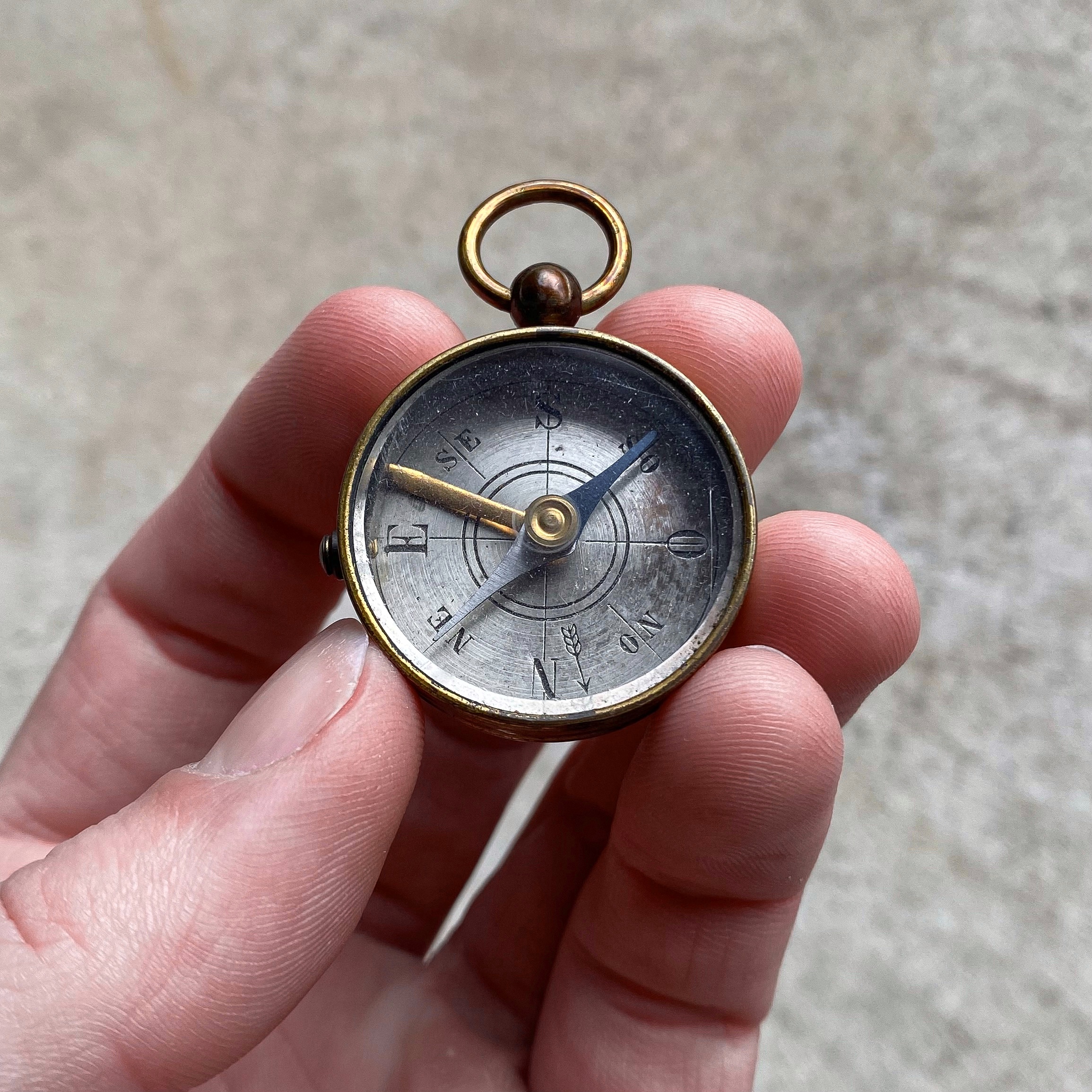
This charming antique compass dates back to the early 20th century and features a solid brass case with a cut glass cover and a transit lock.
Whether you’re looking for a practical hiking companion, a unique pendant, or a decorative display piece, this compact compass is both functional and full of history.
The compass remains in good working condition and still reliably points north. Over the years, the brass case has developed a beautifully aged patina that adds to its antique appeal and character.