This elegant Art Nouveau inkwell was crafted in France by the renowned French sculptor N. Vidal during the late 19th century. Cast in régule (spelter), it features a beautifully detailed boxer dog alongside two original glass inkwells. The piece is signed by the artist, making it a fine example of French Art Nouveau decorative arts.
A wonderful addition to any antique writing desk, office, or collection of Art Nouveau objects, this inkwell is both a functional writing accessory and an attractive display piece.
After more than a century, the inkwell remains in good antique condition and displays expected signs of age and use. Over the years, the metal has developed a beautiful patina that enhances its authentic character and charm. At some point, a decorative element that was originally attached beside the boxer dog broke off. Fortunately, this loss is relatively discreet and does not detract from the overall appearance of the piece. Please examine the photographs carefully, as they form an integral part of the description and condition report.
Measurements:
Length: 22 cm
Width: 12 cm
Height: 10 cm
This commemorative French medallion dates to the late 19th century and is crafted in the form of a finely detailed eagle-shaped pendant. The double-sided design features portraits of Napoleon Bonaparte as both a young officer and an emperor, making it a charming tribute to one of history’s most iconic military leaders.
Rich in historical character, this unique piece can be worn as a pendant or displayed as part of a collection of Napoleonic memorabilia, antique jewelry, or a cabinet of curiosities.
After more than a century, the medallion remains in good antique condition and displays expected signs of age and use. It has developed a beautiful natural patina over the years, enhancing its authentic character and historical appeal.
Please examine the photographs carefully, as they form an integral part of the description and condition report.
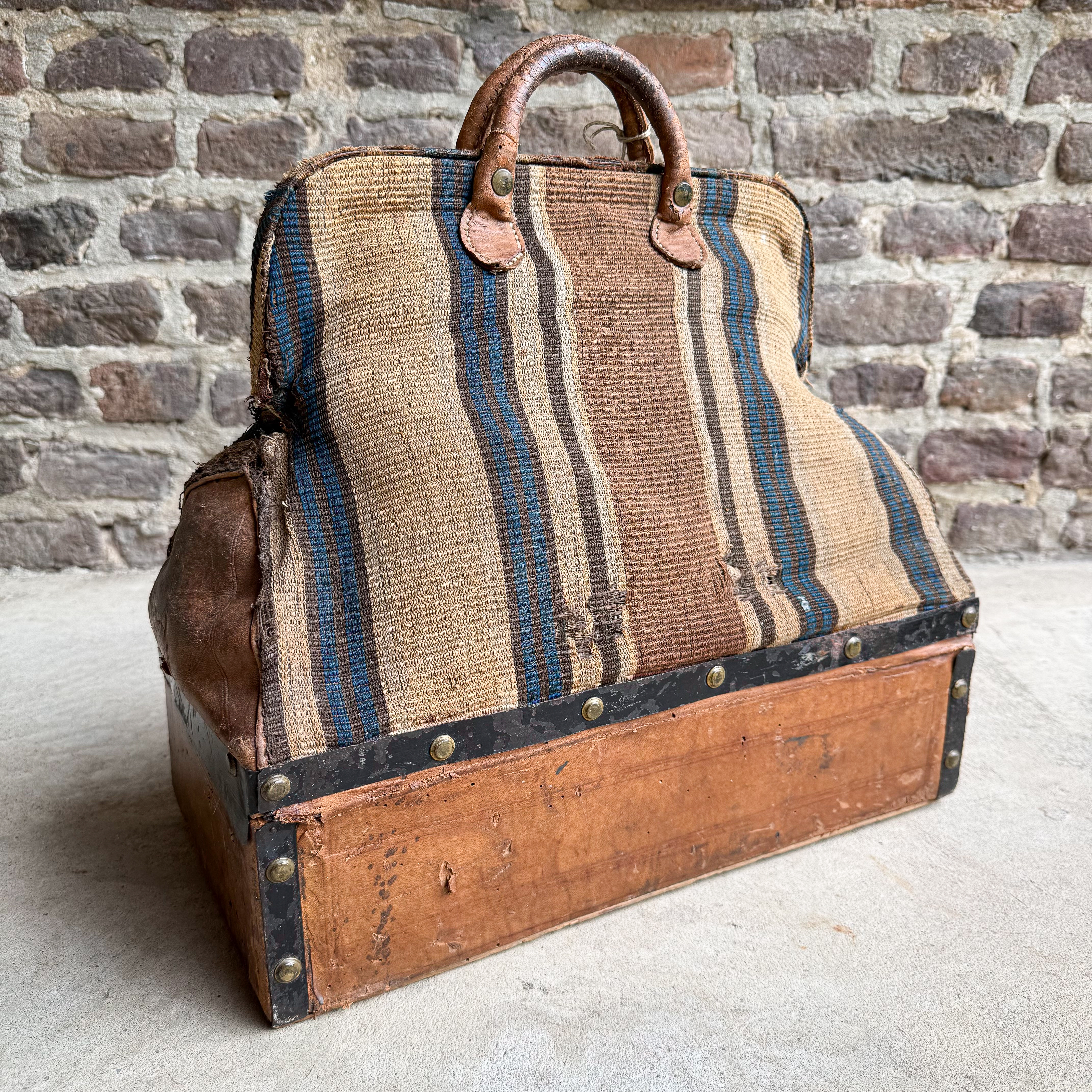
This unique bag–suitcase hybrid, traditionally known as a sac de voyage, was a favored piece of luggage among travelers in France during the 19th century. Ingeniously designed, it combines a structured leather suitcase at the base with a brightly colored Gladstone-style bag on top, allowing fragile items to be stored securely below, while clothing and softer belongings could be carried above.
Both practical and elegant, this piece reflects the charm and craftsmanship of early travel culture. Today, it would make a distinctive addition to any antique collection or serve as a striking decorative element in a rustic or vintage inspired interior.
After more than a century, the bag remains in used condition and shows clear signs of age and wear. Over time, it has developed a rich patina that enhances its authentic character. The outer fabric shows some small tears and holes, consistent with its age and history.
The piece has been generally cleaned, and the leather components have been carefully treated with antique wax, providing a protective layer and a subtle, soft sheen.
Measurements:
Height: 14 / 39 cm
Width: 23 cm
Length: 43 cm
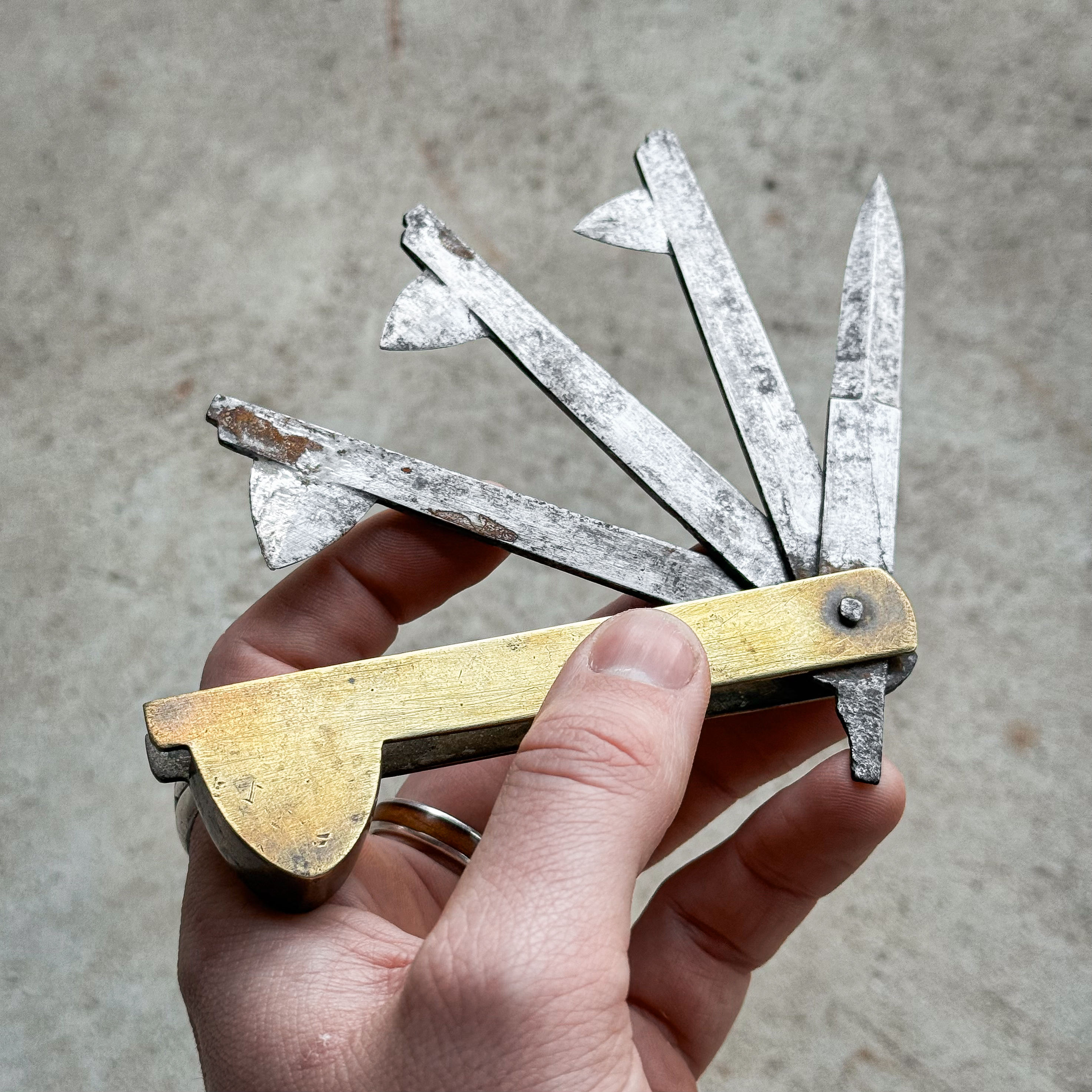
This rare medical instrument was crafted in the late 1800s in France. Fleam knives were commonly used by physicians and barbers for bloodletting, a now-obsolete practice once believed to “relieve stress from the heart” and treat various ailments.
Today, it stands as a fascinating relic of medical history – a tangible reminder of how different healthcare once was. It would make a remarkable addition to any medical collection, museum display, or cabinet of curiosities.
Despite being over a century old, this fleam remains in good condition. It shows light signs of wear consistent with age, and over the years it has developed a subtle oxidized patina that enhances its character and authenticity.
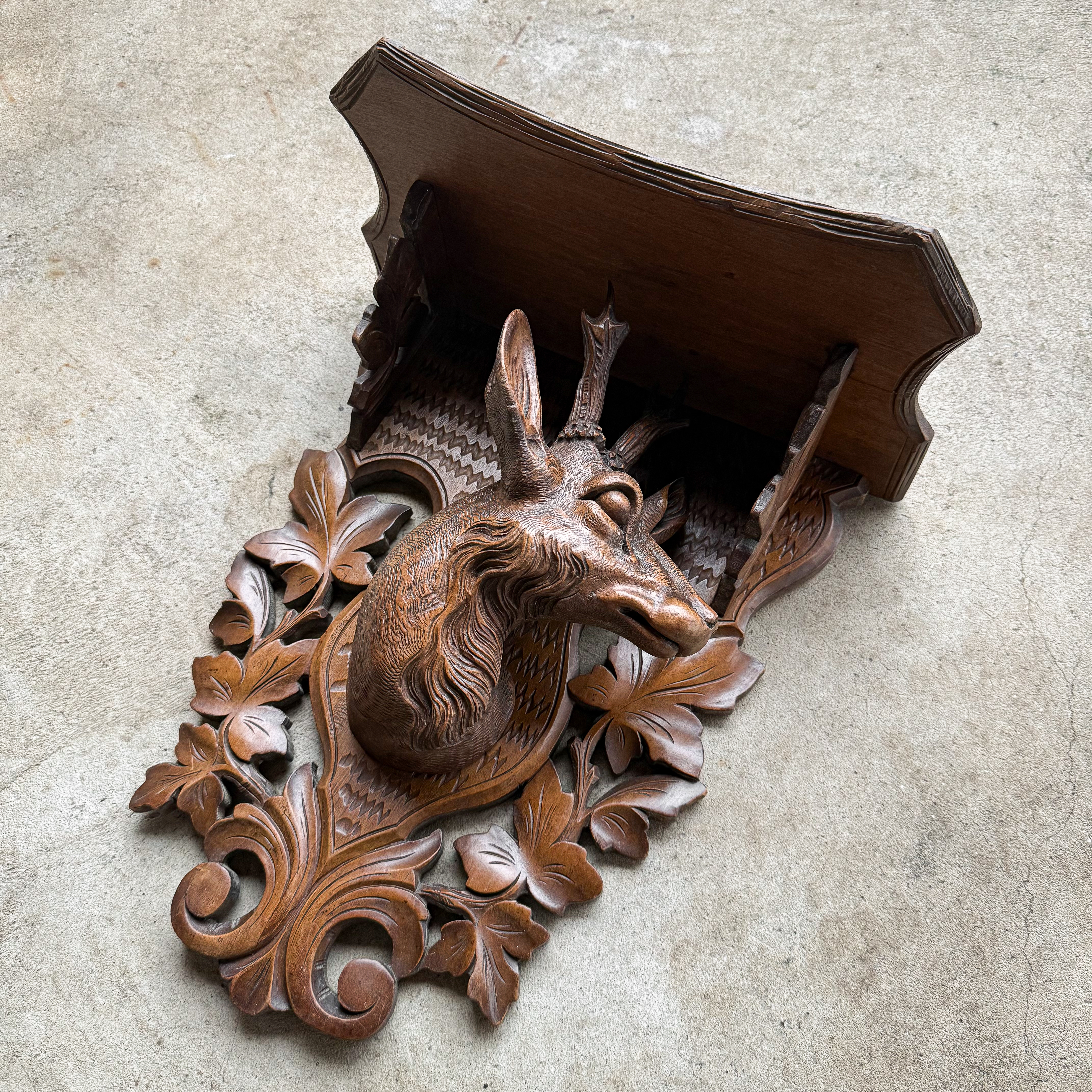
This distinctive wall console was traditionally hand carved in the Black Forest region, renowned for its rich woodcarving heritage. It is a fine example of the craftsmanship that made the area internationally recognised, featuring the carved head of a roe deer. The upper surface forms a small shelf suitable for displaying a decorative object.
Its expressive character and authentic finish make it well suited for display in a cabinet of curiosities, as part of a folk art collection, or as a striking wall accent.
After more than a century, the console shows only minor signs of age and wear. Over time, it has developed a natural patina that enhances its character and authenticity.
Measurements:
Heigth: 38.5 cm
Width: 35 cm
Length: 19 cm
This distinctive Victorian wall mount depicts a stately lion’s head. It was cast in plaster and gilded in France during the 19th century, reflecting the decorative taste of the period.
With its expressive features and timeworn surface, it would make a striking addition to a rustic interior or a cabinet of curiosities.
After more than a century, the wall mount remains in worn condition and shows clear signs of age. Over time, part of the original gilded surface has worn away, creating a naturally distressed patina that adds depth and character to the piece. The surface has been treated with a protective clear varnish to stabilise the remaining gilding and to provide a subtle sheen.
This finely crafted bronze inkwell was made in Vienna and is a fine example of the exceptional craftsmanship for which the city became renowned in the 19th century.
The sculptural design depicts a walnut leaf with a mouse, accompanied by two small branches that function as pen rests. Two walnuts can be folded open, revealing two porcelain ink jars, making this piece both decorative and functional.
A perfect addition to any antique collection, it would also serve as a striking accent in a rustic or traditional interior.
Despite its age, the inkwell remains in good antique condition. Over time, it has developed a warm, natural patina that enhances its character and charm.
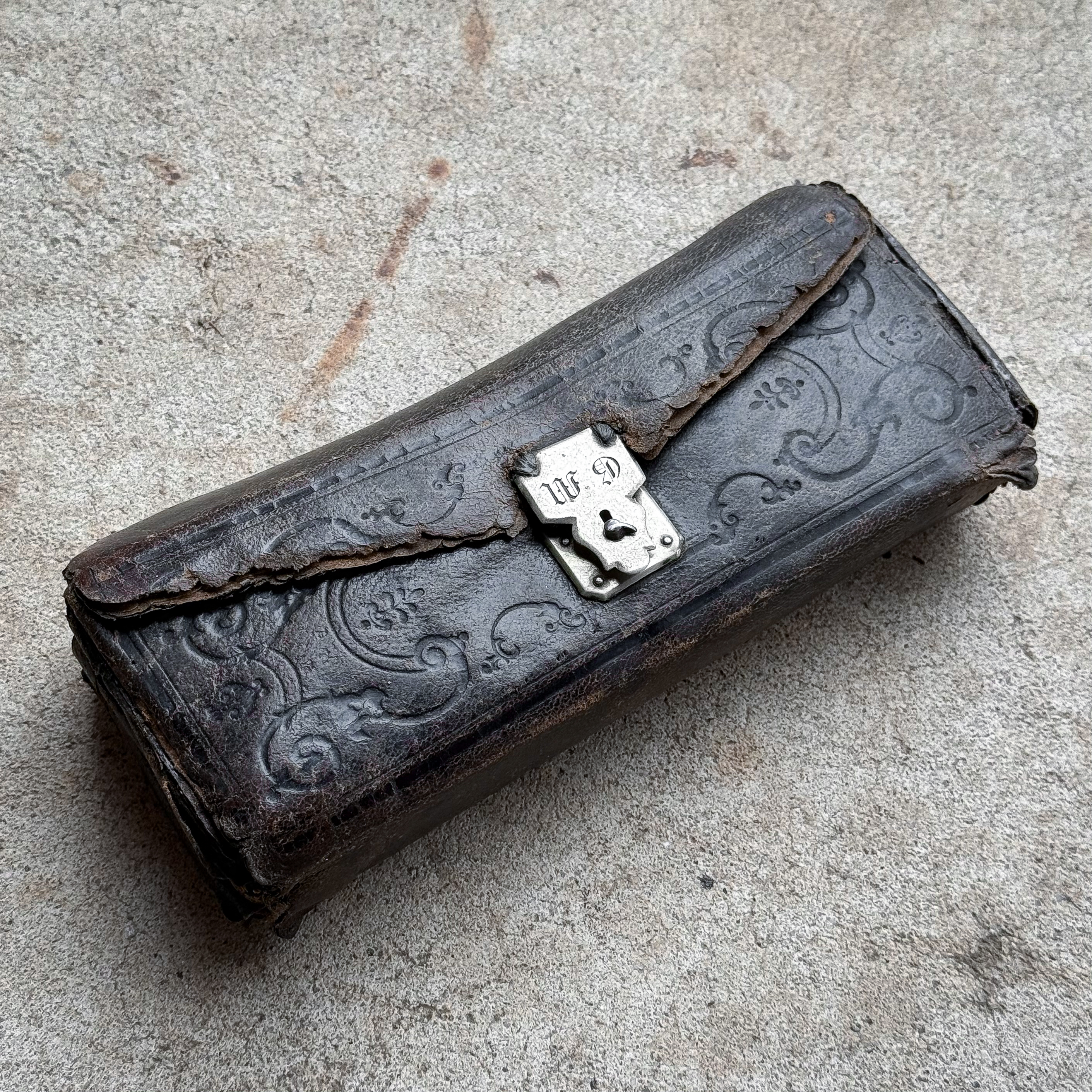
This foldable leather tool pouch was crafted in France in the 1800s. The set includes a variety of surgical tools such as scalpels, forceps, tubes, and knives — each reflecting the precision and craftsmanship of early medical practice.
It would make a unique and fascinating addition to any medical collection or cabinet of curiosities.
After more than a century, the kit remains in used but authentic condition. The leather pouch shows wear, patina, and a few small tears consistent with age and use. Some of the instruments display light oxidation, but they have been carefully cleaned and treated to prevent further rusting. The set retains an evocative, timeworn character that speaks to its remarkable history.
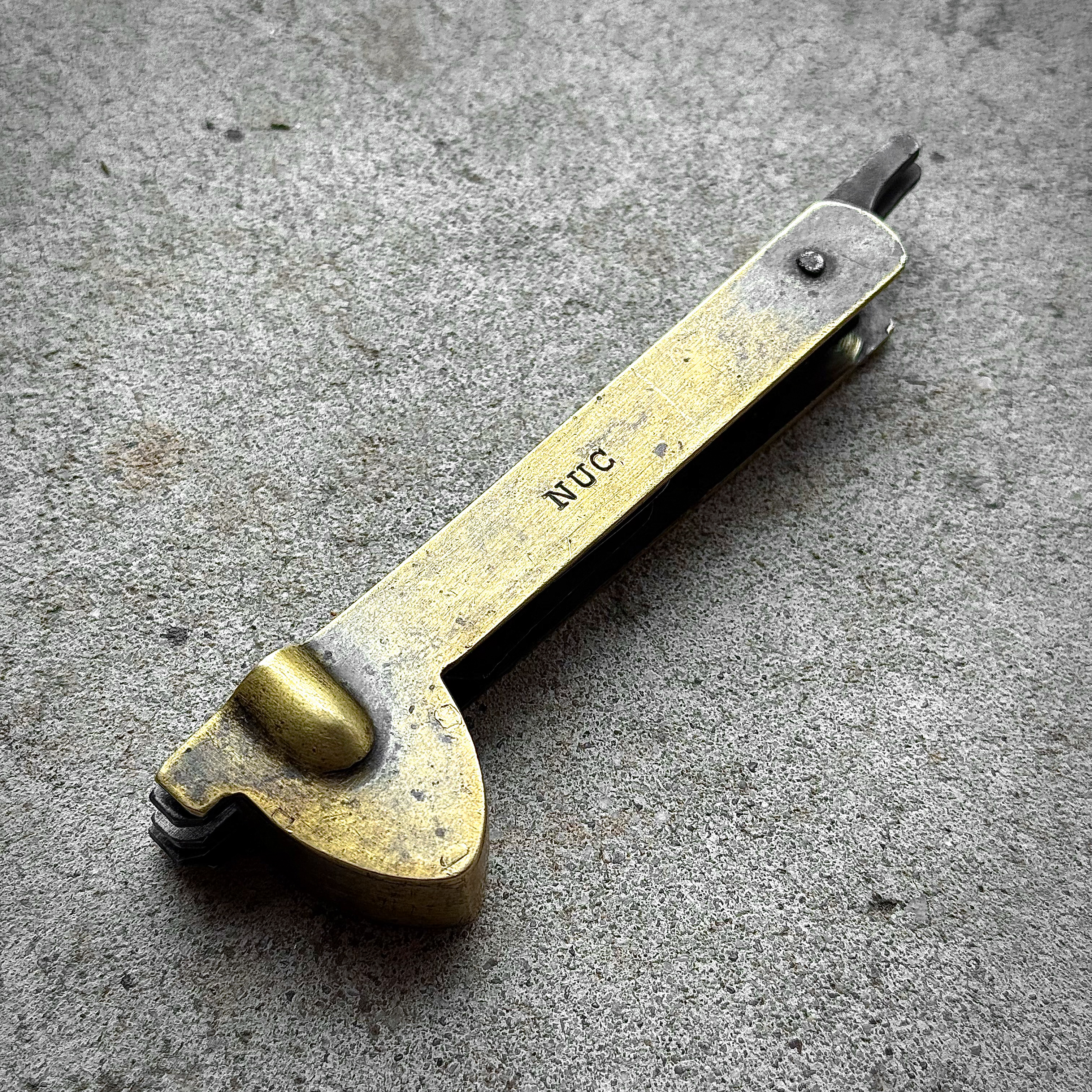
This rare medical instrument was crafted in the late 1800s by the French maker NUC. Fleam knives were commonly used by physicians and barbers for bloodletting, a now obsolete practice once believed to “relieve stress from the heart” and treat various ailments.
Today, it stands as a fascinating relic of medical history – a tangible reminder of how different healthcare once was. It would make a remarkable addition to any medical collection, museum display, or cabinet of curiosities.
Despite being over a century old, this fleam remains in good condition. It shows light signs of wear consistent with age, and over the years it has developed a subtle oxidized patina that enhances its character and authenticity.
Measurements:
Length: 13 cm
Width: 3.2 cm
Depth: 2 cm
Antique 19th Century Red Deer Antler Mount – Cervus elaphus
This impressive antler trophy originates from Germany and dates back to the 1800s. It is professionally mounted, featuring the upper part of the skull affixed to a classic wooden shield-shaped plaque — a timeless and traditional presentation.
This striking piece would make an ideal addition to any lodge style interior, hunting cabin, or rustic home décor. It would look especially majestic above a fireplace or on a feature wall.
The mount is in worn but stable condition, showing minor signs of age and use. Over the decades, it has developed a beautiful, natural patina that enhances its authentic and historic character.
Measurements:
Width: 52.5 cm
Heigth: 45 cm
Depth: 34.5 cm
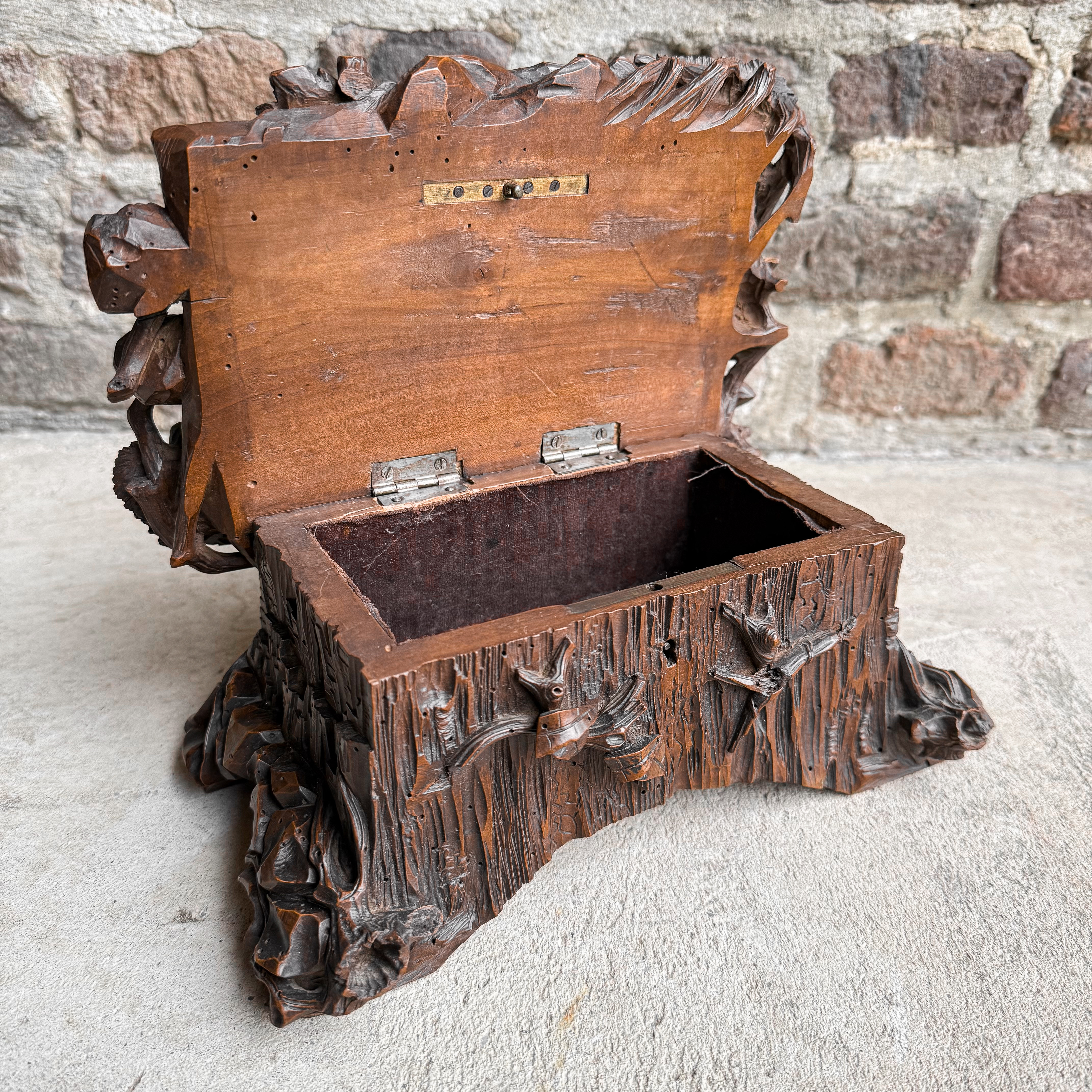
This charming box was traditionally hand carved from wood in the Black Forest region. It is a wonderful example of the masterful craftsmanship for which this area became renowned, showcasing finely rendered details and a strong sense of character. The entire box is richly sculpted, depicting a wooded landscape with a deer on the lid. The interior walls of the box are lined with velvet.
A piece like this would make a striking addition to any collection or cabinet of curiosities – a true conversation starter with historic appeal.
After more than a century, the box is in worn condition and shows multiple signs of use. Over time, it has developed a beautiful, natural patina that only adds to its charm. Old woodworm holes are present and contribute to its character; the piece has been treated accordingly. The box has also been finished with antique wax, providing a protective layer and a subtle glossy sheen.
Product code:
Width: 25 cm
Depth: 16 cm
Height: 13.5 cm
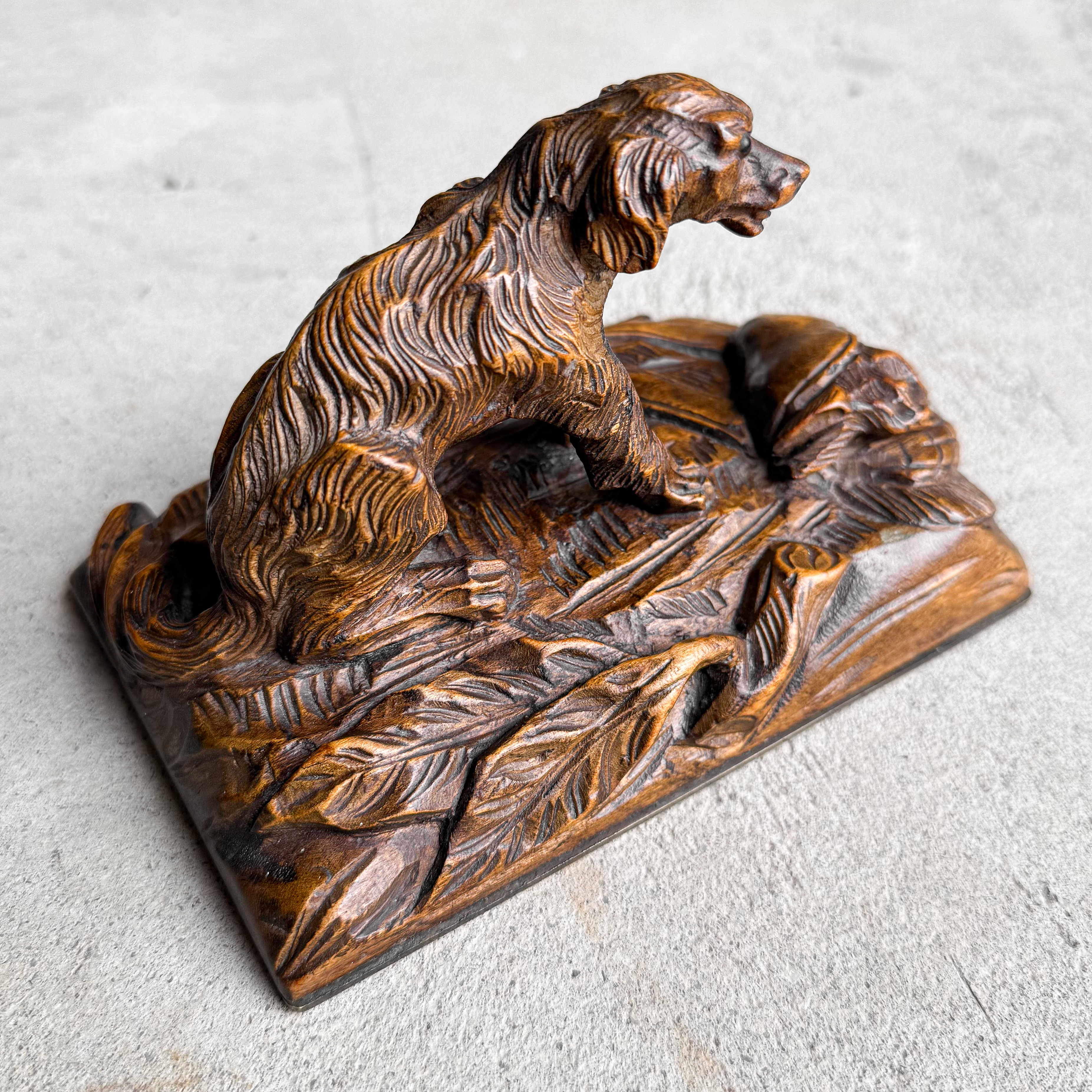
Antique 19th Century Black Forest folk art dog paper weight
This charming sculpture was traditionally hand carved from a single piece of linden wood in the Black Forest region. It is a wonderful example of the masterful craftsmanship for which this area became renowned, depicting a dog alongside a cartridge bag with a hare, all rendered with fine detail and a strong sense of character. The underside of the piece is finished with a brass base.
A piece like this would make a striking addition to any collection or cabinet of curiosities – a true conversation starter with historic appeal.
After more than a century, the sculpture shows only light signs of wear. In my opinion, the gentle patina it has developed over time only enhances its charm and authenticity.
Measurements:
Heigth: 10 cm
Width: 10 cm
Length: 15.5 cm