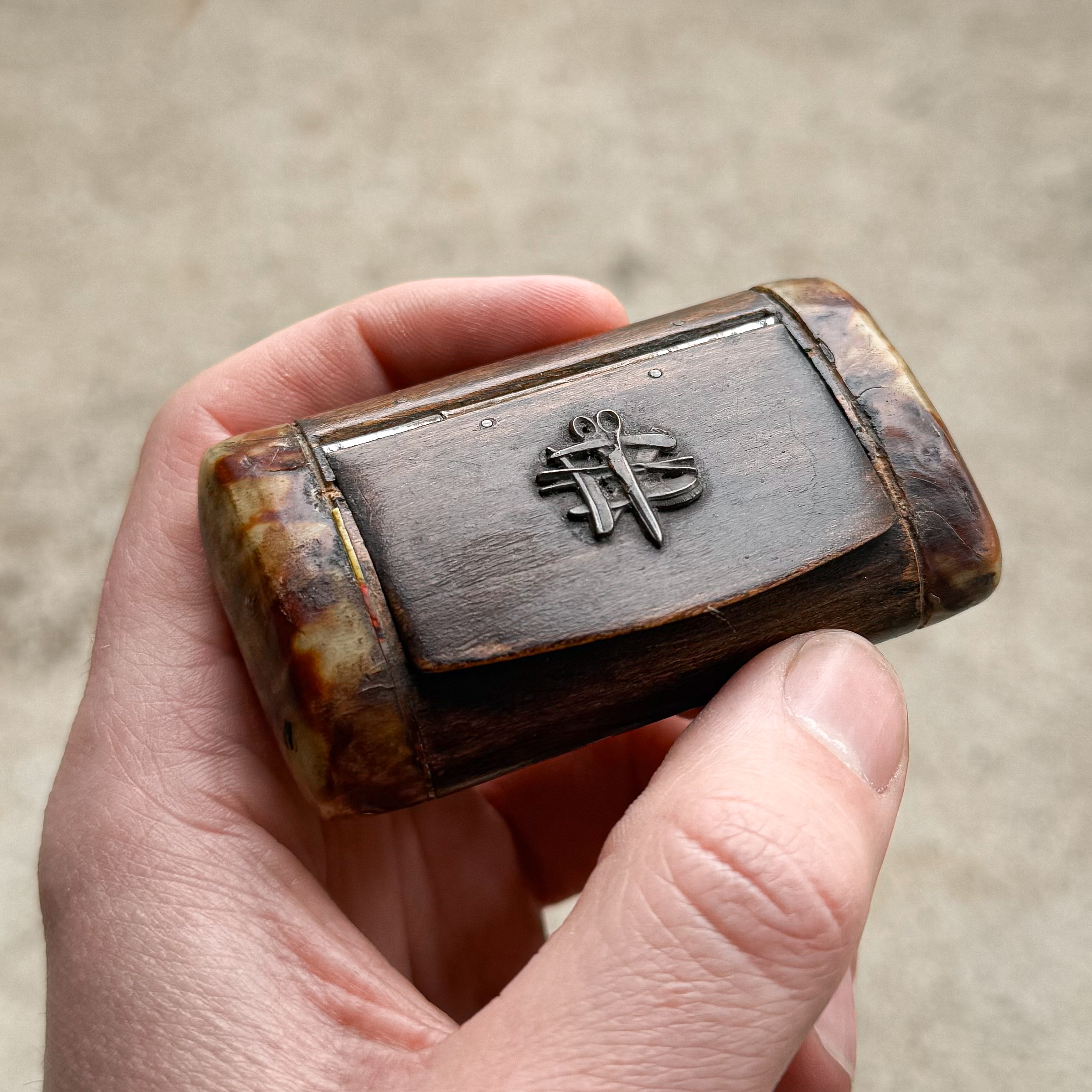
This elegant antique snuff box is a unique example of French folk art from the 19th century. The lid features a metal emblem depicting scissors, a curling iron, a brush, and a straight razor, suggesting that it was originally owned by a barber.
A refined piece that would make a striking addition to any cabinet of curiosities or antique collection.
After more than a century, the box is in worn condition and shows signs of age and use. Over time, it has developed a beautiful patina that only enhances its character and authenticity.
Measurements:
Length: 7.5 cm
Width: 4.5 cm
Height: 2 cm
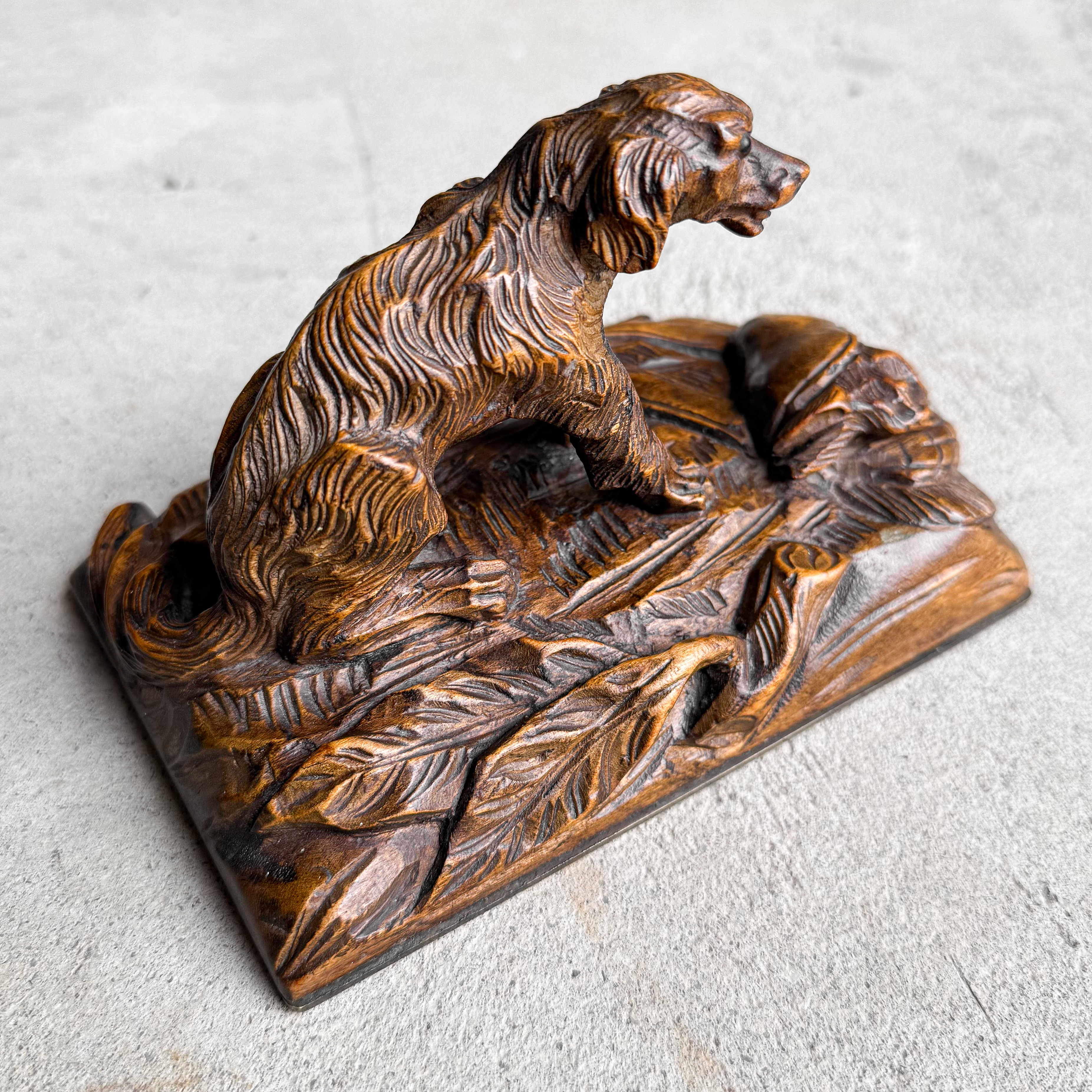
Antique 19th Century Black Forest folk art dog paper weight
This charming sculpture was traditionally hand carved from a single piece of linden wood in the Black Forest region. It is a wonderful example of the masterful craftsmanship for which this area became renowned, depicting a dog alongside a cartridge bag with a hare, all rendered with fine detail and a strong sense of character. The underside of the piece is finished with a brass base.
A piece like this would make a striking addition to any collection or cabinet of curiosities – a true conversation starter with historic appeal.
After more than a century, the sculpture shows only light signs of wear. In my opinion, the gentle patina it has developed over time only enhances its charm and authenticity.
Measurements:
Heigth: 10 cm
Width: 10 cm
Length: 15.5 cm
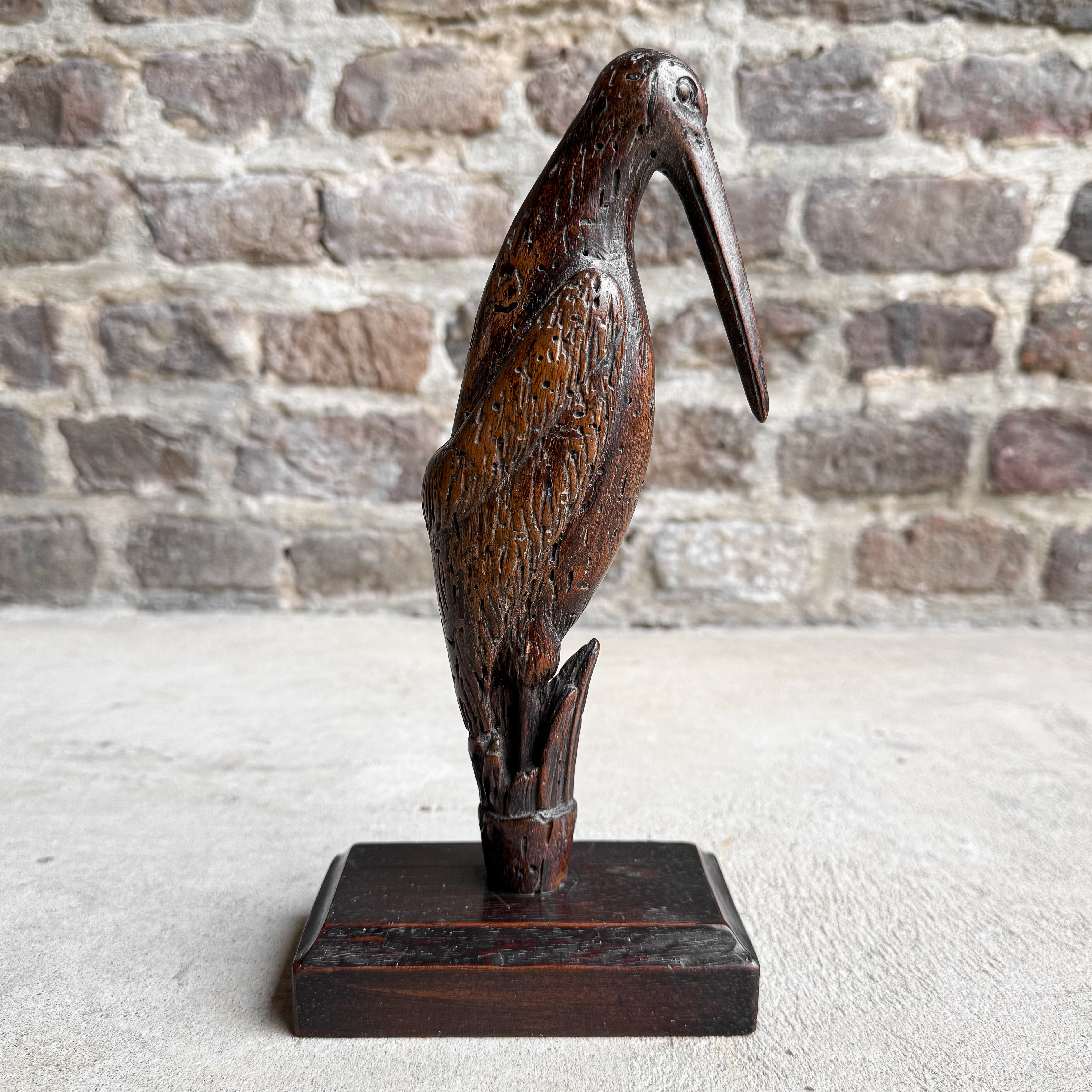
This unique piece of folk art was hand-carved from wood in France in the early 20th century and depicts a stork. The naïve carving technique gives the sculpture its distinctive charm and expressive character. The figure is mounted on a matching wooden base.
It would make a wonderful addition to any collection, cabinet of curiosities, or rustic-style interior.
Even after more than a century, the sculpture remains in good condition, showing signs of age and use. Over time, the wood has developed a beautiful patina that enhances its charm. Old woodworm holes are present and add to its character; the piece has been treated accordingly. The sculpture has also been finished with antique wax, providing a protective layer and a subtle glossy sheen.
Measurements:
Height: 25 cm
Width base: 12 cm
Depth base: 7 cm
This unique cane was traditionally handmade in Switzerland and features a handle crafted from a chamois horn, decorated with a piece of chamois hide. It is marked with , highlighting its origin.
It can still be used as a stylish walking stick, but also makes a wonderful addition to any collection or cabinet of curiosities.
After more than a century, the cane remains in worn condition, showing signs of age and use. Over time, it has developed a rich patina that only enhances its charm. The small piece of chamois hide has lost some of its hair, adding character and authenticity to this antique piece.
This charming photo album was traditionally handmade in the Black Forest region of Germany. It features a hand carved wooden cover with a leather binding, showcasing the craftsmanship for which this area became renowned. The carved cover depicts a dog with beautifully rendered details and a strong sense of character, typical of Black Forest carving from the late 19th century. The album closes with an original brass clasp.
A piece like this offers a striking way to display photographs and would also make a wonderful addition to any collection or cabinet of curiosities – a true conversation piece with historic appeal.
After more than a century, the album remains in good condition. The gentle patina it has developed over time only enhances its charm and authenticity.
Measurements:
Heigth: 16 cm
Width: 12.5 cm
Depth: 6 cm
This authentic brass vide-poche was made in France and dates to the late 19th century. It features a striking Art Nouveau relief depicting a hunter pursuing two deer, rendered with elegant movement and fine period detail.
Originally intended as a small decorative trinket dish, it now works beautifully as a cabinet of curiosities object, an ashtray, or a stylish catchall for small valuables. The sculptural quality and subject matter make it a particularly eye catching display piece.
Despite being over a century old, the dish remains in good condition. Over time, the brass has developed a deep, natural patina that enhances its authenticity and visual appeal without detracting from the crispness of the relief or the overall design.
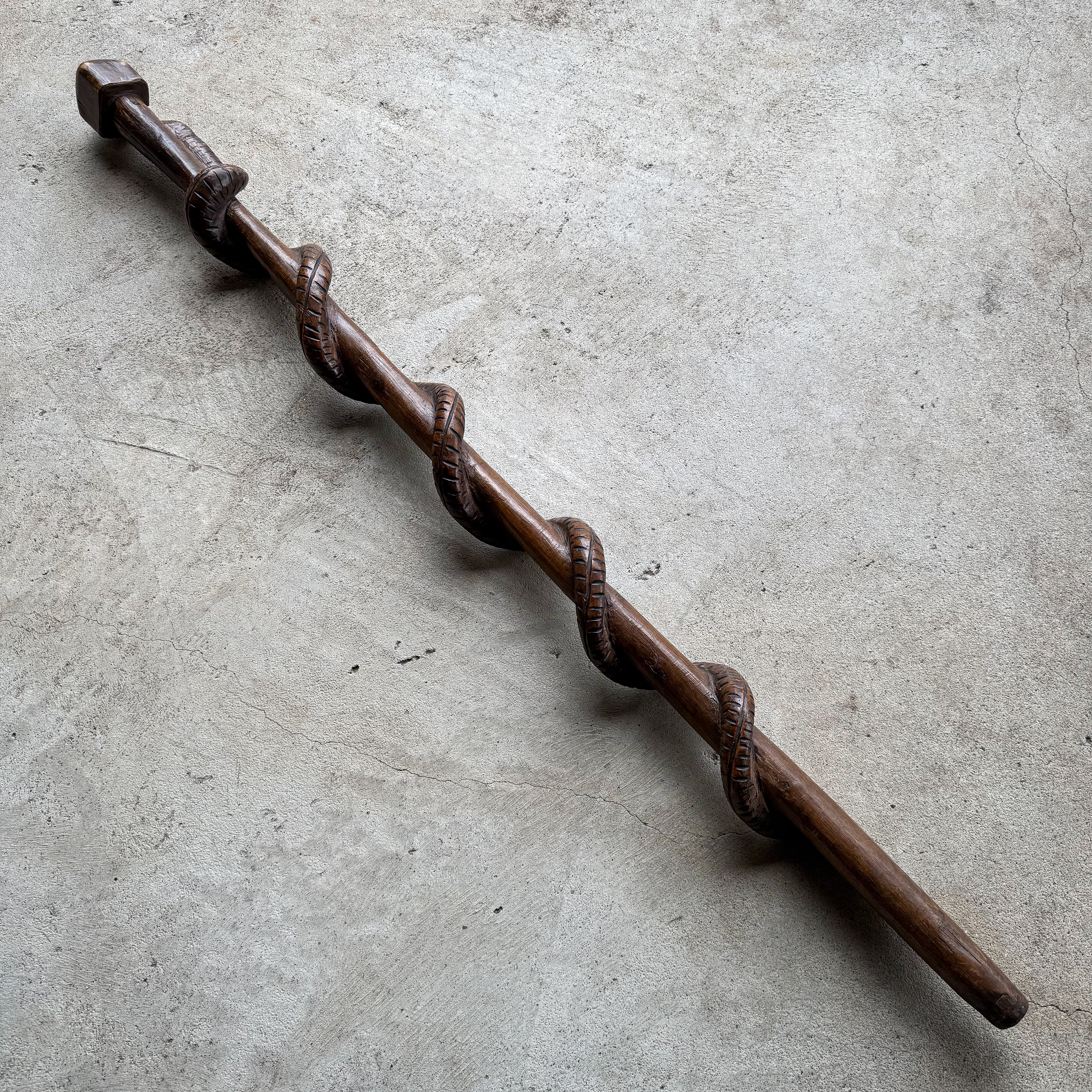
This unique walking stick was hand carved by a French soldier during the First World War. Coiling around the shaft is a finely carved snake, a powerful symbol often associated with vigilance, danger, and survival.
To escape the relentless stress and monotony of wartime life, soldiers often turned to creativity, repurposing available materials into what is now known as trench art. These deeply personal objects were made using limited tools and resources, resulting in raw, expressive works that reflect both hardship and resilience. Each piece tells a human story shaped by uncertainty, longing, and endurance.
This cane carries a tangible sense of history and would make a striking centerpiece in any World War I or military collection.
After more than a century, the cane remains in good condition and shows only minor signs of use. Over time, it has developed a beautiful natural patina that enhances its character and authenticity. The surface has been treated with antique wax, providing a protective layer and a subtle, soft sheen.
This authentic fishing trophy dates back to the 1960s and was originally caught in France. It would make an ideal decorative accent for a cabin, lodge, bar, study, or man cave.
After more than 60 years, the pike head remains in good overall condition. As expected with an object of this age, it shows visible signs of wear, which only add to its character and authenticity.
Measurements:
Height: 20 cm
width: 14.5 cm
depth: 20 cm
This authentic fishing trophy dates back to the 1960s and was originally caught in France. It would make an ideal decorative accent for a cabin, lodge, bar, study, or man cave.
After more than 60 years, the pike head remains in good overall condition. As expected with an object of this age, it shows visible signs of wear, which only add to its character and authenticity.
Measurements:
Height: 19 cm
width: 21 cm
depth: 13 cm
This unique walking stick was hand-carved by a French soldier during the early years of the Second World War. Coiling around the shaft is a finely carved snake, a powerful symbol often associated with vigilance, danger, and survival. The cane is further inscribed with the name “Suzanne”- possibly referring to a loved one – and the dates 1939–1940, anchoring the piece firmly in its historical context.
To escape the relentless stress and monotony of wartime life, soldiers often turned to creativity, repurposing available materials into what is now known as trench art. These deeply personal objects were made using limited tools and resources, resulting in raw, expressive works that reflect both hardship and resilience. Each piece tells a human story shaped by uncertainty, longing, and endurance.
This cane carries a tangible sense of history and would make a striking centerpiece in any World War II or military collection.
After more than 80 years, the cane remains in good condition and shows only minor signs of use. Over time, it has developed a beautiful natural patina that enhances its character and authenticity. The surface has been treated with antique wax, providing a protective layer and a subtle, soft sheen.
This unique bronze plaque features a beautifully detailed high relief depiction of a long-eared owl with its prey. The expressive sculptural depth highlights the craftsmanship of the piece. It was cast in France and dates to the early 20th century.
A striking object that would make an excellent addition to any cabinet of curiosities or antique collection.
After more than a century, the plaque remains in good condition. Over time, it has developed a rich, natural patina that only enhances its character and charm.
This antique bronze letter opener dates from the early 1900s and depicts a Native American chief.
It makes a striking decorative piece and would look great displayed on a desk or as part of a rustic or vintage style interior.
After more than a century, the letter opener remains in good condition, showing only minor signs of use. Over time, it has developed a beautiful natural patina that adds to its character and charm.