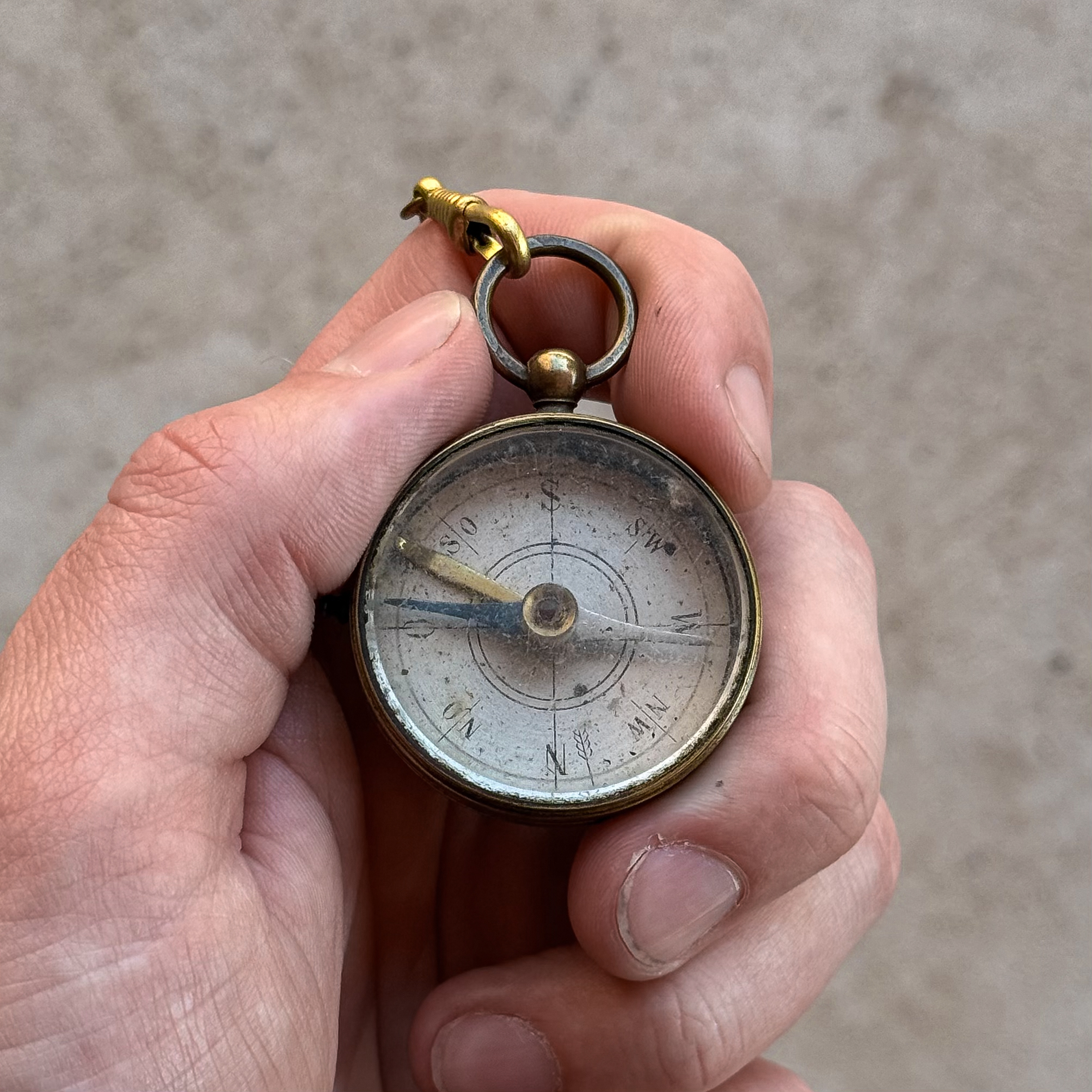
This charming antique compass dates back to the 1920s and features a solid brass case with a folding cover and a transit lock. The compass comes with an original matching 1920s watch chain, making it ideal for attaching to a vest or other garments.
Whether you’re looking for a practical hiking companion, a unique pendant, or a decorative display piece, this compact compass is both functional and full of history.
The compass remains in good working condition and still reliably points north. Over the years, the brass case has developed a beautifully aged patina that adds to its antique appeal and character.
This charming pocket compass was made in Germany in the 1920s. It features a brass case with a faceted glass cover and is equipped with a side-mounted transit lock.
The compass comes with an original 1920s watch chain, making it ideal for attaching to a vest or other garments.
Still fully functional, it can accompany you on new adventures or be worn as a unique and characterful pendant.
After more than a century, the compass remains in used condition, showing signs of wear. Over time, it has developed a rich patina that enhances its character and authentic vintage appeal.
This pocket sized compass dates back to the World War II era and was likely military issued. It features a solid brass case with a glass cover and is equipped with a side mounted transit lock.
Still fully functional, it can accompany you on new adventures or be worn as a unique and characterful pendant.
After more than 80 years, the compass remains in good condition, showing light, age-appropriate wear. Over time, it has developed a subtle patina that enhances its character and authentic vintage appeal.
This antique snuff mull is a fine example of handcrafted early 19th century Scottish folk art. It is made from a hollowed cow horn and features silver mounts and decorative elements.
On one side, it bears a shield shaped silver plaque engraved with the Freemasonry symbol, while the lid is adorned with a smaller silver plaque featuring engraved initials.
A characterful and authentic piece, it would make a striking addition to any antique collection or cabinet of curiosities.
After more than 150 years, the snuff mull remains in good condition but shows signs of wear. Over time, it has developed a rich patina that enhances its charm and historical character.
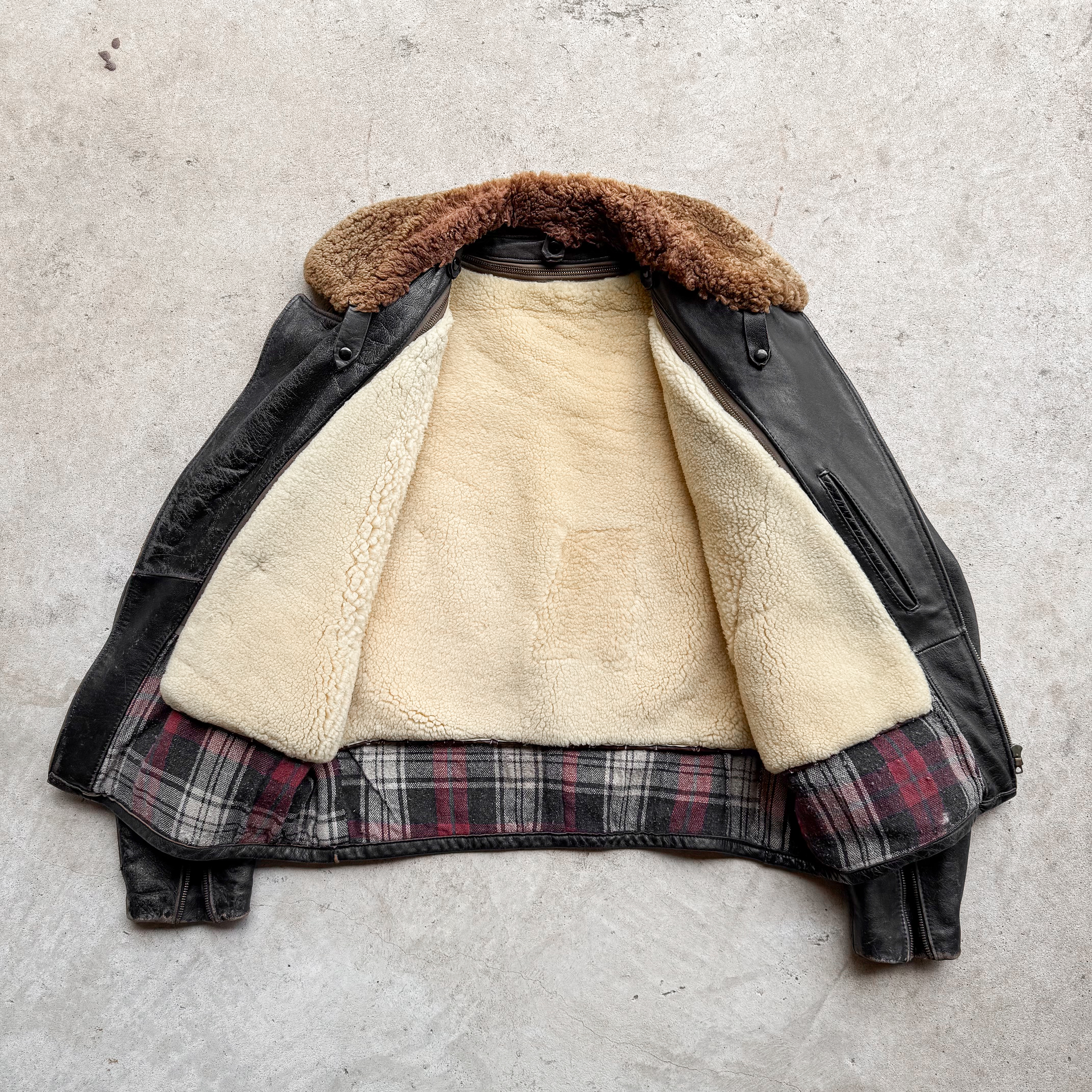
Originally made for riding, it has stood the test of time and remains a timeless piece, perfect for everyday wear. It is equipped with with a removable fur collar and sheepskin lining, making it both warm and comfortable to wear.
After 60 years the jacket still remains in good condition, but shows signs of wear. Over time it developed a nice patina which only adds more charm to it.
Measurements:
Chest Width: 52 cm
Shoulder width: 50 cm
Back Length: 62 cm
Sleeve Length: 61 cm
This pocket sized compass dates back to the World War II era and was likely military issued. It features a solid brass case with a glass cover and is equipped with a side mounted transit lock.
Still fully functional, it can accompany you on new adventures or be worn as a unique and characterful pendant.
After more than 80 years, the compass remains in good condition, showing light, age-appropriate wear. Over time, it has developed a subtle patina that enhances its character and authentic vintage appeal.
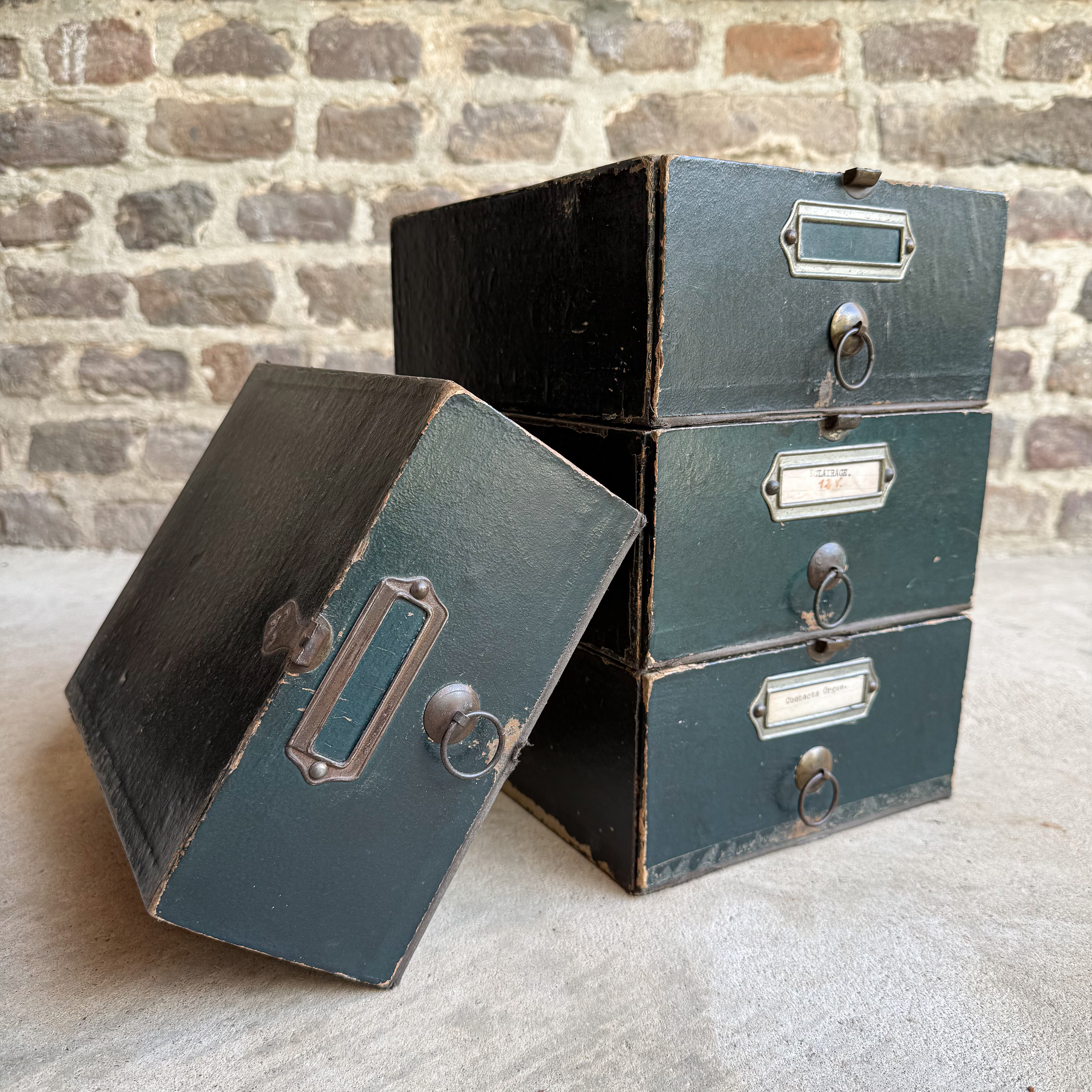
These antique hardboard file boxes were made in France in the 1920s and were originally used to store documents and office files. They feature metal label holders on the front and functional closing mechanisms, reflecting their practical, utilitarian design.
With their timeless character, these boxes fit beautifully into a classic, vintage, or industrial interior. They remain perfectly suited for storing paperwork, letters, photographs, or other keepsakes. A unique and decorative storage solution with genuine history.
After more than a century, the boxes are still in good condition, showing authentic signs of use consistent with their age. Over time, they have developed a rich patina that enhances their charm and tells their story.
Each piece has been carefully treated with antique wax, providing a protective layer and a subtle, soft sheen that brings out the depth of the material.
The set includes all five boxes.
Measurements:
Length: 25.5 cm
Width: 20 cm
Height: 10 cm
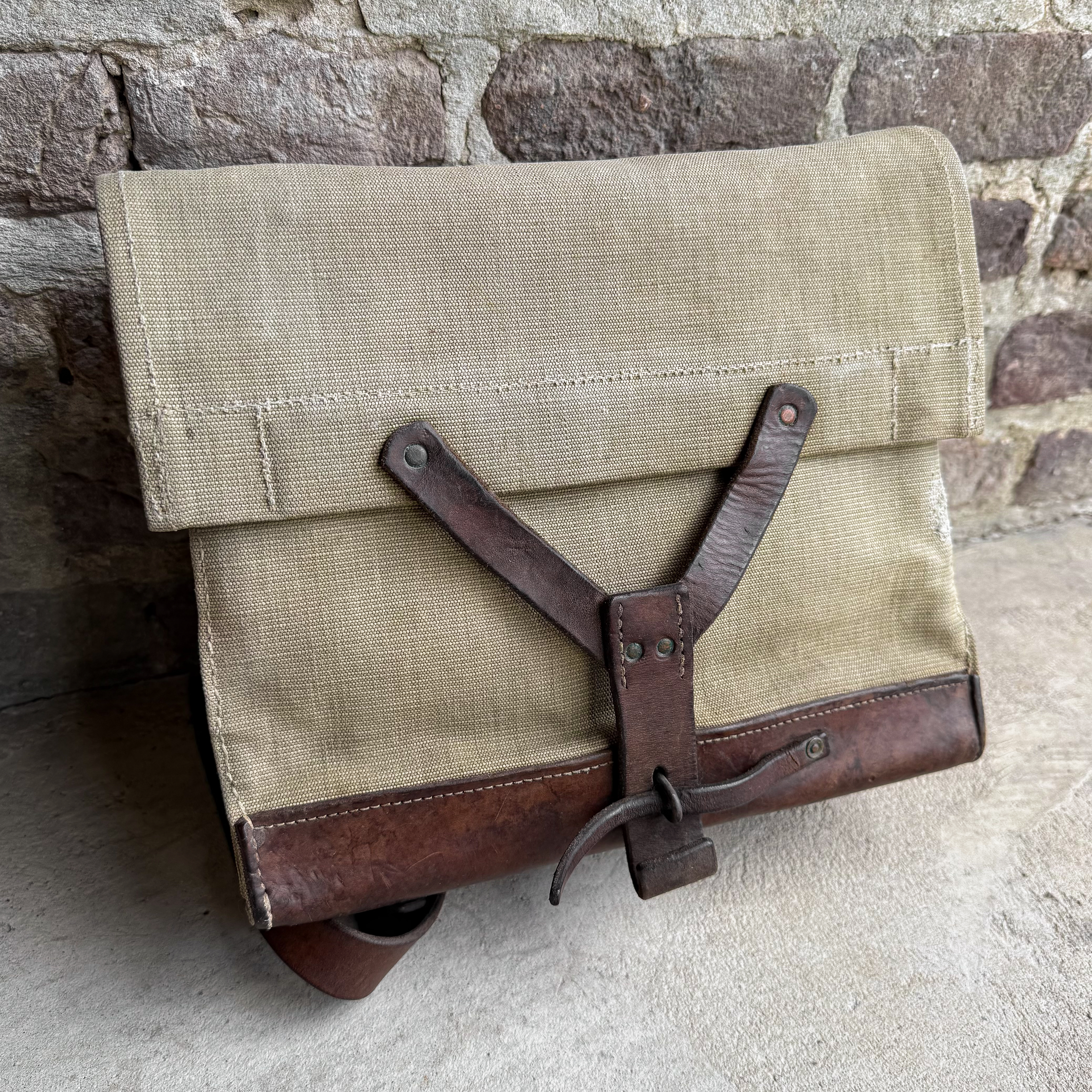
This rucksack was issued by the Swiss Army around World War II and is a fine example of early military field gear.
The bag features one large main compartment, two shoulder straps, and a sturdy top handle. It is made from durable canvas, while the base and fastening straps are crafted from thick saddle leather.
This rucksack would still make an excellent everyday bag and is also well-suited for day hikes or outdoor use.
After around a century, the bag remains in used but solid condition and shows clear signs of age and wear. Both the canvas and leather have developed a beautiful patina over time, adding to its authentic character. Built to withstand years of use, this piece still has plenty of life left.
The canvas has been carefully cleaned, and the leather parts have been treated with saddle soap and leather grease to keep them supple.
Measurements:
Height: 27 cm
Width: 30 cm
Depth: 17 cm
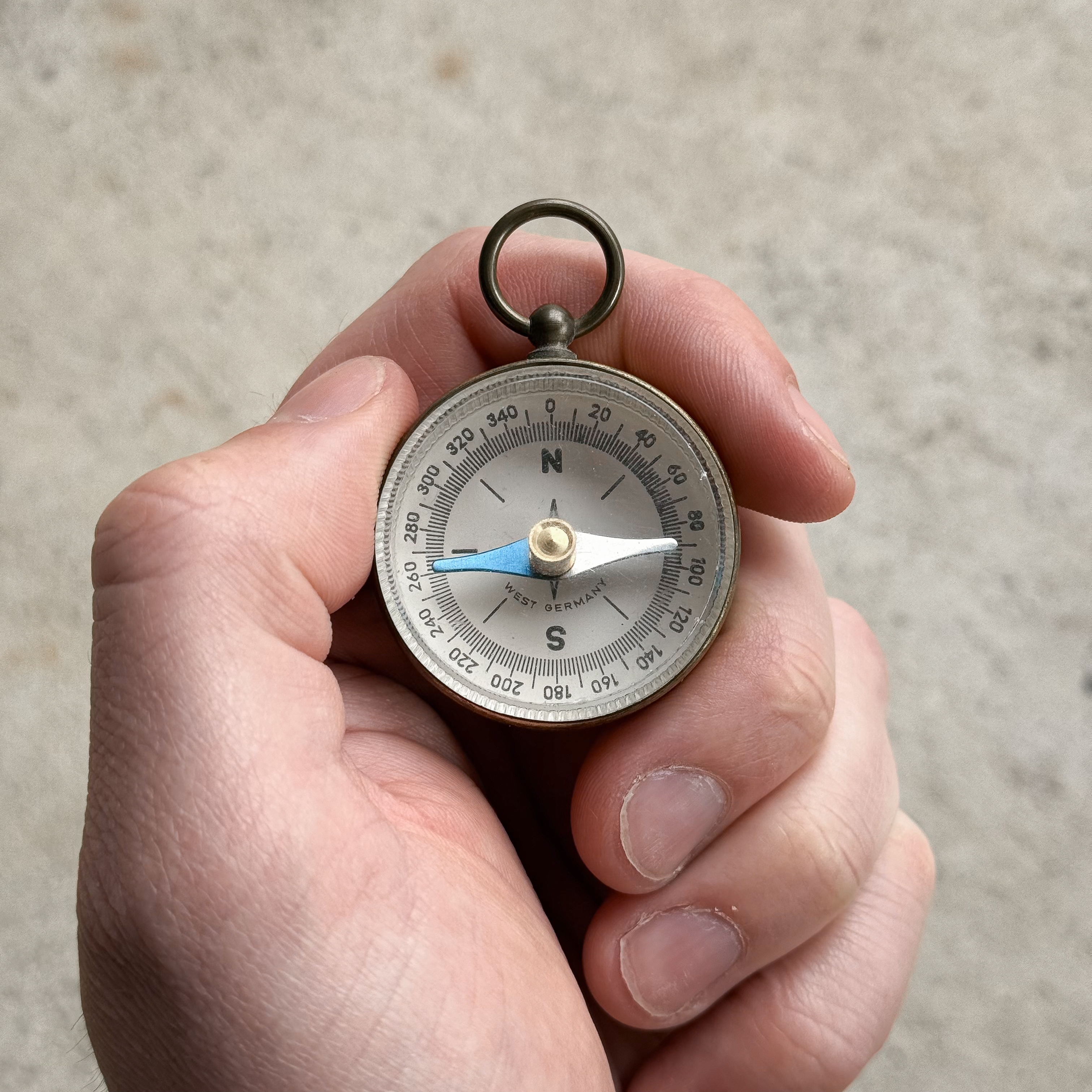
This charming vintage pocket compass features a solid brass case and was made in West Germany in the 1950s.
Still fully functional, it can accompany you on new adventures or be worn as a unique pendant.
After more than 70 years, the compass remains in good condition. It has developed a light patina over time, adding to its character and vintage appeal.
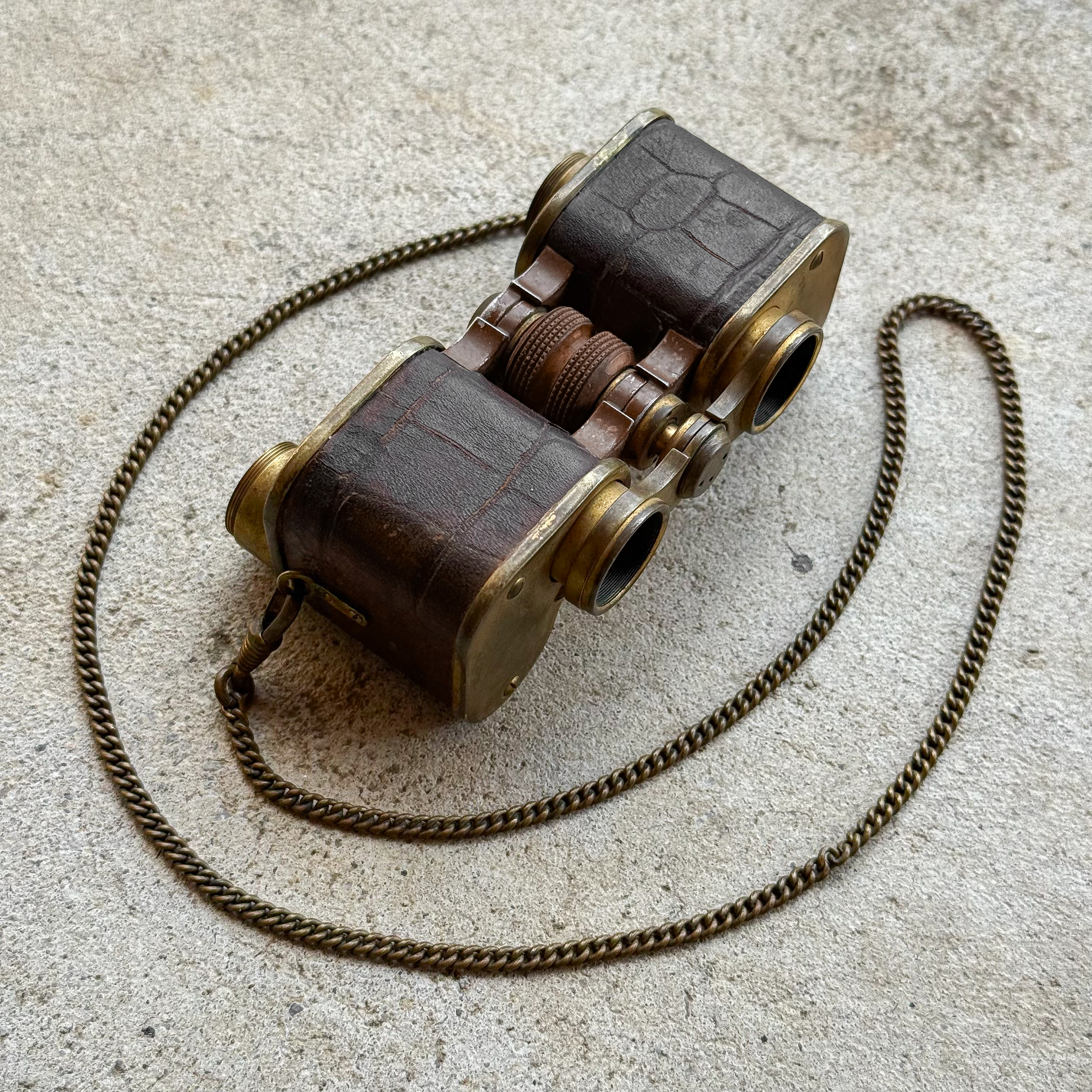
Antique early 1900s C.P. Goerz 3 1/3 Fago binoculars
These unique theatre glasses were produced by C. P. Goerz in Berlin in the early 20th century. They feature an elegant design, with a brass body complemented by a leather covering embossed in a crocodile pattern.
A fine example of early optical craftsmanship, these binoculars would make a perfect addition to any collection of scientific instruments, a cabinet of curiosities, or a classic, refined interior.
After more than a century, the binoculars remain in good antique condition, showing expected signs of age and use. Over time, they have developed a beautiful patina that enhances their character and historical appeal.
Measurements:
Width; 9.3 cm
Length: 5.6 cm
Heigth: 3.6 cm
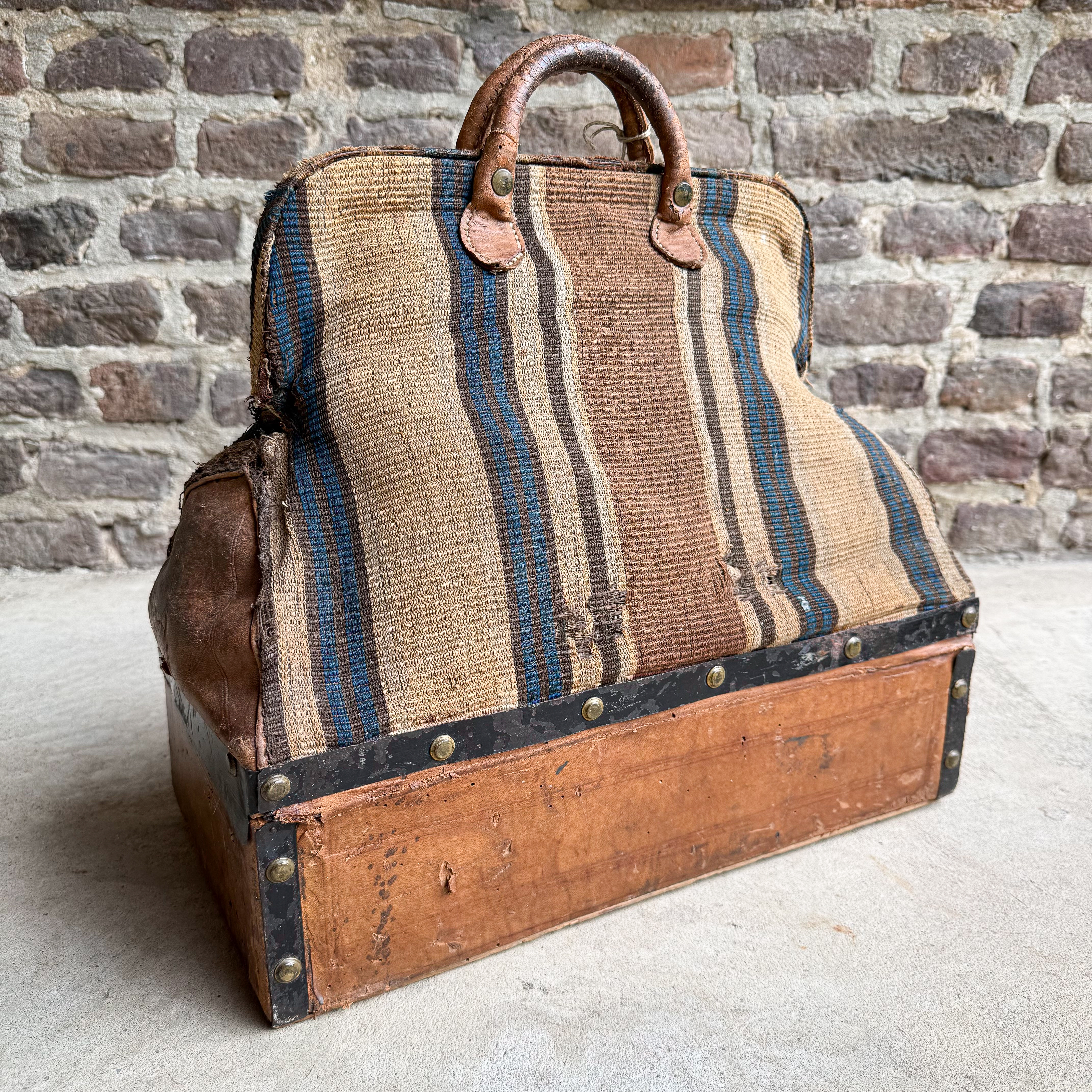
This unique bag–suitcase hybrid, traditionally known as a sac de voyage, was a favored piece of luggage among travelers in France during the 19th century. Ingeniously designed, it combines a structured leather suitcase at the base with a brightly colored Gladstone-style bag on top, allowing fragile items to be stored securely below, while clothing and softer belongings could be carried above.
Both practical and elegant, this piece reflects the charm and craftsmanship of early travel culture. Today, it would make a distinctive addition to any antique collection or serve as a striking decorative element in a rustic or vintage inspired interior.
After more than a century, the bag remains in used condition and shows clear signs of age and wear. Over time, it has developed a rich patina that enhances its authentic character. The outer fabric shows some small tears and holes, consistent with its age and history.
The piece has been generally cleaned, and the leather components have been carefully treated with antique wax, providing a protective layer and a subtle, soft sheen.
Measurements:
Height: 14 / 39 cm
Width: 23 cm
Length: 43 cm
This original helmet was issued by the Swiss fire brigade in the early 1900s and stands as a fine example of early 20th century firefighting equipment.
Its design is both simple and functional, featuring a characteristic brass comb crest along the top, an interior leather liner for a secure and comfortable fit, and a prominent Swiss cross emblem at the front.
A highly decorative and authentic piece, it would make a striking addition to any firefighting collection or serve as a distinctive accent in a rustic or industrial-style interior.
After more than a century, the helmet remains in good antique condition, showing clear signs of age and use. Over time, it has developed a rich, beautiful patina that enhances its character and historical appeal. The surface has been carefully treated with antique wax, providing a protective layer and a subtle, soft sheen.
Measurements:
Height: 22 cm
Width: 19.5 cm
Lenght: 26 cm